
There is something instantly calming about an earth-tone bedroom. Terracotta feels sunbaked and comforting, sage reads fresh but soft, and sand is the quiet neutral that makes everything else look intentional. When you get the balance right, the whole room feels like an exhale.
This is my favorite kind of color scheme because it is forgiving. You can thrift your way through it, layer it slowly, and still end up with a bedroom that looks pulled together and deeply cozy.
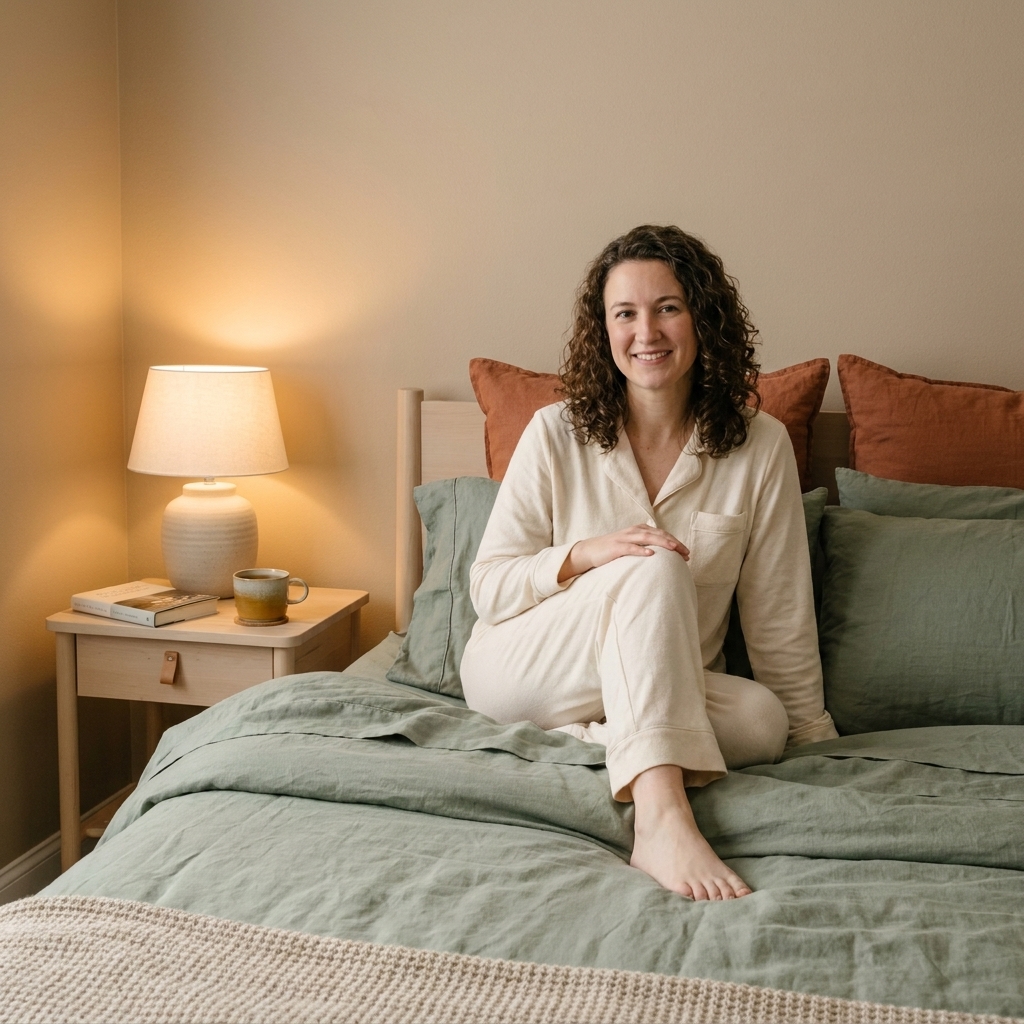
The palette in plain English
Think of this trio like a landscape:
- Sand is your beach. It is the backdrop that keeps the room bright and breathable.
- Sage is your plant life. It cools down the warmth and adds that restful, nature feel.
- Terracotta is your clay and sunset. It brings the glow, the contrast, and the cozy signal.
If you have ever tried an all-beige room and found it a little flat, terracotta and sage solve that. They add color without turning your bedroom into a high-energy space.
A ratio to start with
If you want an easy starting point, use this as a guideline (not a rule):
- 60% sand (walls, large rug, curtains, big bedding pieces)
- 30% sage (duvet cover, quilt, accent chair, feature wall, larger art)
- 10% terracotta (pillows, throws, pottery, lampshades, small art details)
That 10% terracotta is powerful. It can be two pillows and a little vintage vase and suddenly the room looks styled.
If you love warmth and want a more cocooned vibe, keep sand as the base but let terracotta take up more of the accent space and keep sage lighter.
Walls: paint, paper, or keep it easy
Option 1: Sand walls
Sand walls are the safest choice if you like switching bedding seasonally or if your room is small. They bounce light around and help terracotta accents glow instead of feeling heavy.
Option 2: Sage feature wall
If you want impact without committing to a whole-room color, paint the wall behind the headboard in sage. It frames the bed like a soft backdrop and makes even basic white sheets look elevated.
Option 3: Soft terracotta walls
Terracotta can be gorgeous on walls, especially in north-facing rooms that can feel a little chilly. The key is choosing a muted, clay-like terracotta instead of a bright orange. Pair it with sand bedding and sage accents so it still feels restful.
Rental-friendly trick
Try peel-and-stick wallpaper in a sandy grasscloth look or a subtle sage botanical pattern. Even one panel behind the bed can shift the whole mood.

Bedding: where it shines
Bedding is my favorite place to build an earth-tone palette because it is easy to swap, simple to layer, and it instantly changes how the room feels at night.
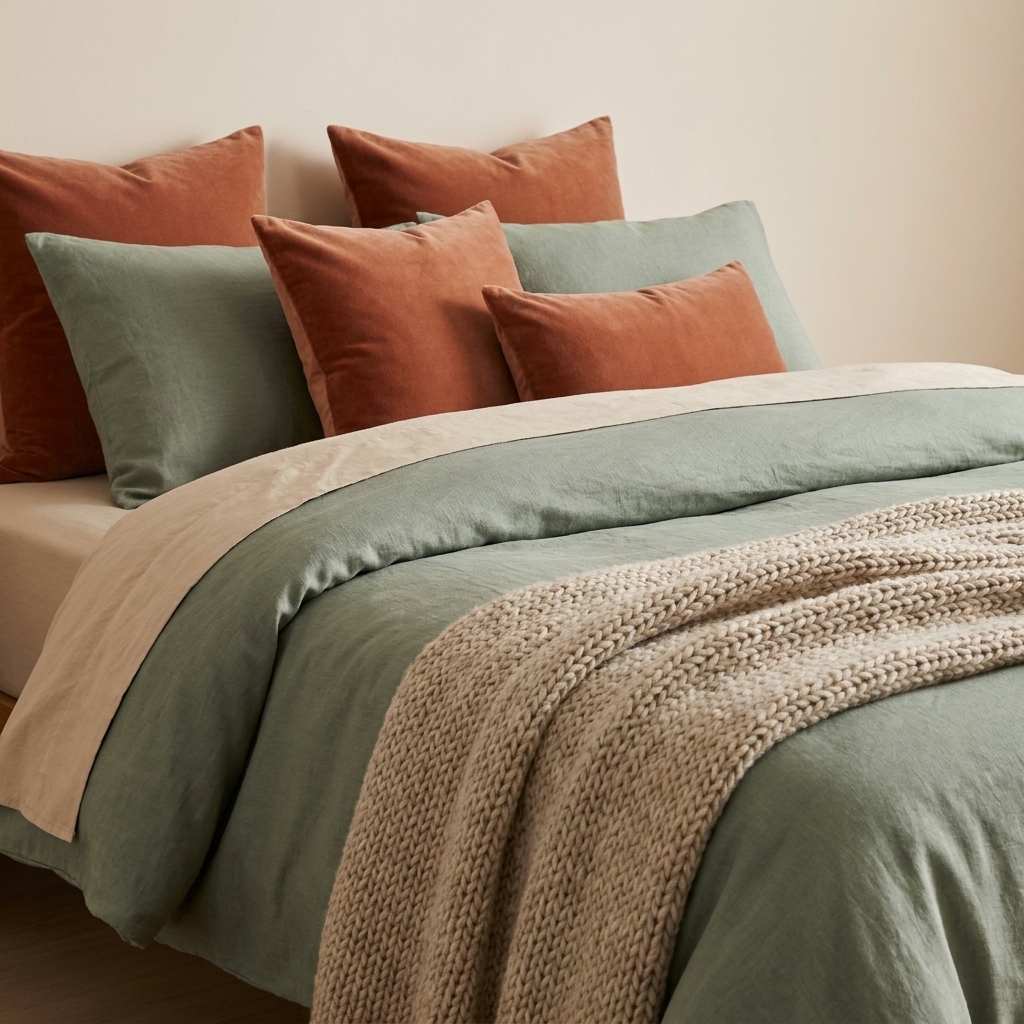
My go-to layered combo
- Base sheets: sand, ivory, or warm white (crisp but not stark)
- Main layer: sage duvet cover or quilt (linen and cotton look especially natural)
- Warmth layer: terracotta throw at the foot of the bed
- Pillows: mix one terracotta, one sage, and one textured sand pillow
If your bedding is already neutral, start with terracotta pillow covers and a sage throw. It is a small change with a big payoff.
Texture beats perfect matching
Earth tones look best when they are a little imperfect and touchable. Think linen, waffle weave, washed cotton, chunky knits, and nubby bouclé. If the shades are close but not identical, that is a feature, not a flaw.
Undertones and finishes
This palette lives or dies by undertones. If you have ever brought home the “perfect” sage and watched it turn minty, you already know.
- Sand that stays cozy: look for warm whites and beiges with creamy, golden, or oatmeal undertones. If it reads gray in the can, it will usually look cooler on the wall.
- Sage that stays soft: choose a muted sage with a little gray or olive in it, not a bright green. I like sages that look slightly dusty rather than fresh-cut lawn.
- Terracotta that reads clay, not orange: go for tones that lean rust, cinnamon, or baked clay. If it feels pumpkin-like, it will likely pop too hard in a bedroom.
- Mix matte and natural finishes: matte ceramics, brushed metals, and woven textures keep the look grounded. Too much shine can make earth tones feel less calm.
Furniture and wood tones
Terracotta, sage, and sand pair beautifully with wood, but the undertone of your wood matters.
- Light oak or ash: keeps the room airy and modern, great for small spaces.
- Warm walnut or teak: adds depth and richness, makes the palette feel grown-up.
- Painted pieces: creamy off-white or muted sage are the easiest wins.
If your existing furniture is a cooler tone (grayish wood or black metal), you can still make it work. Bring in warmer textiles, add a terracotta lamp, and use warm bulbs so the overall impression stays cozy.
Rugs and curtains
These are the items that make the bedroom feel finished. They also help you control how warm or cool the palette reads.
Rug ideas
- Jute or sisal: the ultimate sand-tone foundation, especially layered with a smaller patterned rug.
- Vintage-style rugs: look for faded terracotta, rust, and soft olive or sage notes.
- High-pile neutral: if you want cloud cozy, keep it sand or oatmeal and let bedding bring the color.
One practical note: jute and sisal can feel scratchy under bare feet. If your bedroom is a shoes-off zone, layer a softer wool or cotton rug on top (or choose a jute blend).
Curtain ideas
- Sand linen-look curtains: make ceilings feel taller and light feel softer.
- Sage curtains: add calm color without taking up floor space.
- Terracotta curtains: best in bright rooms where you want extra warmth and drama.

Lighting: make it glow
I will say it forever: the right lighting makes your color scheme look expensive. The wrong lighting makes it look muddy.
Choose warm bulbs
Look for warm white bulbs around 2700K to 3000K so terracotta stays rich and sand stays creamy instead of gray.
Brightness matters too
Color temperature helps, but a room can still feel dull if it is under-lit. As a general starting point, aim for about 800 to 1600 lumens per bedside lamp (depending on shade and how much light you like), and add dimmers when you can so you can dial in the mood at night.
Layer three types of light
- Ambient: a ceiling fixture or plug-in pendant for overall glow.
- Task: bedside lamps for reading (ideally with shades that soften the light).
- Accent: a small lamp on a dresser or gentle string lights tucked behind a headboard for an easy evening vibe.
Shades and materials that fit
Woven shades, linen shades, ceramic bases, aged brass, and warm wood all blend seamlessly with terracotta, sage, and sand.
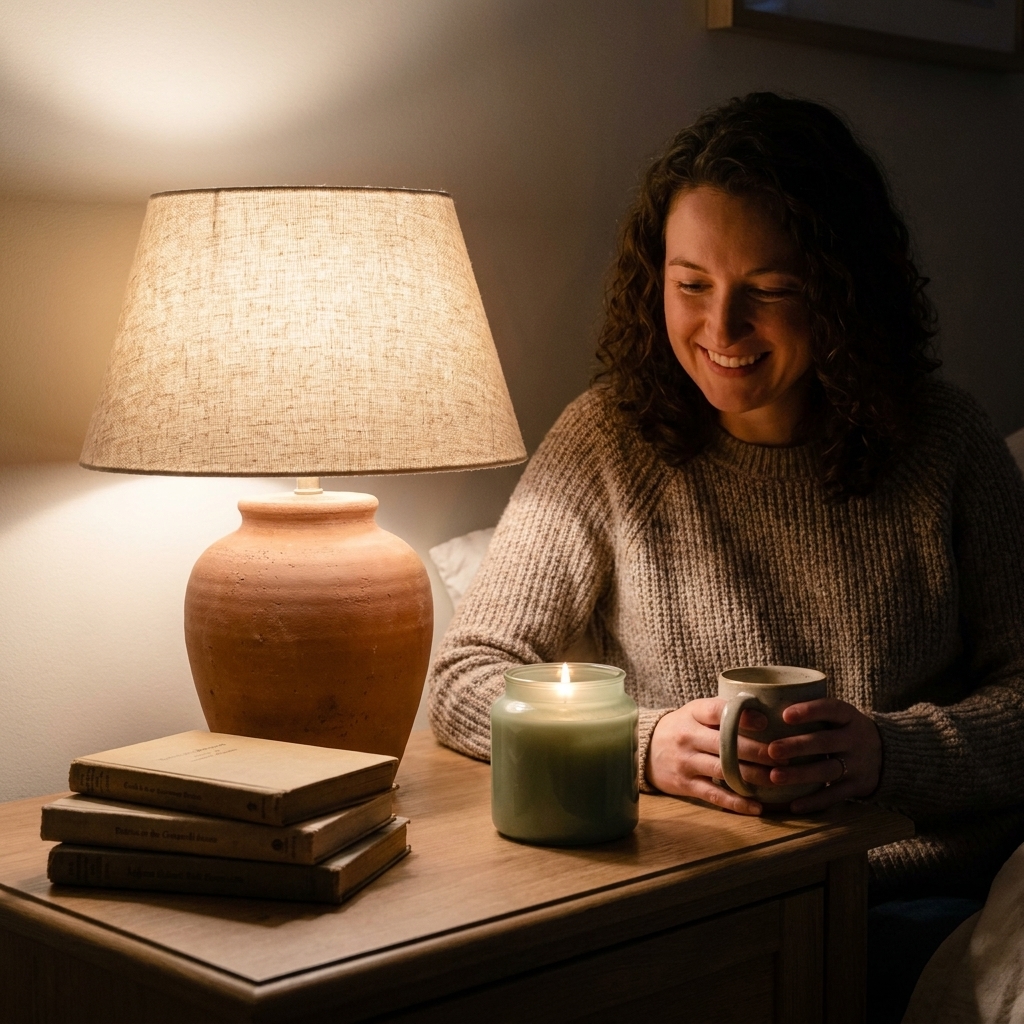
Styling details
Once your big pieces are in place, the finishing touches are where the room starts to feel like you.
Easy accents
- Clay and ceramic pieces: terracotta pots, matte vases, or a small bowl for jewelry.
- Greenery: real or faux, sage and olive tones look beautiful against sand walls.
- Art: landscapes, abstract shapes, or photography with warm undertones. Look for hints of rust, olive, and beige.
- Metals: aged brass and bronze warm everything up, black adds contrast if your room needs definition.
My favorite thrift-store finds
- Vintage pottery in rusty clay tones
- Woven baskets for blankets and laundry
- Old wood frames you can pair with earthy prints
- Quilts and throws in faded sage or cinnamon tones
Works with what you have
You do not need a blank-slate bedroom to pull this off. A few common scenarios and easy fixes:
- Gray carpet: treat it like a cool neutral and warm everything above it. Choose sand bedding (not stark white), add terracotta accents, and stick to warm lighting. A warm-toned vintage rug layered on top helps a lot.
- Bright white trim: keep sand in textiles and decor so the contrast feels intentional. If the white feels too sharp, add creamy curtains or a warm-toned rug to soften the edges.
- Black furniture: lean into it for contrast. Add warm woods (a tray, frames, a bench), plus terracotta and brass to keep the black from feeling harsh.
- Lots of medium-brown wood: you are already in a good place. Bring in sage to cool things down and use sand to keep the room from feeling too heavy.
Small bedroom tips
Earth tones can feel cozy in a small space, but you want to avoid a closed-in look. Here is how:
- Keep walls light: sand walls often make the room feel larger.
- Use terracotta in small doses: pillows, a throw, a lampshade, a piece of art.
- Choose airy window treatments: sand sheers or light linen panels.
- Repeat sage thoughtfully: one larger sage element (like a duvet) reads calmer than lots of tiny sage bits scattered around.
- Mirror placement: a mirror opposite a window bounces light and keeps warm colors from feeling too dense.
Quick looks to copy
Look 1: Calm and airy
- Sand walls
- Sage duvet cover
- Jute rug
- Two terracotta pillows
- Light oak nightstands
Look 2: Warm and cocooned
- Muted terracotta walls (or one accent wall)
- Sand bedding with a sage throw
- Walnut or darker wood accents
- Brass lamp and warm bulbs
Look 3: Rental-friendly refresh
- Sand or ivory bedding
- Sage throw blanket
- Terracotta pillow covers
- Peel-and-stick wallpaper panel behind the bed
- Plug-in wall sconces for instant styled lighting
Common mistakes
Everything is the same beige
Fix: add contrast through texture and one deeper accent. Even a single terracotta lumbar pillow can break up the monotony.
The room looks muddy
Fix: check your bulbs first. Cool lighting will flatten warm colors. Then add one crisp element like warm white sheets or a lighter sand rug.
Terracotta feels too orange
Fix: pair it with sage and a creamy sand, not bright white. Also look for terracotta that leans clay or rust rather than pumpkin.
Sage feels too cool
Fix: bring in warmer woods and terracotta accents, plus warm metals like brass.
Earth-tone bedroom checklist
- Pick your base: sand walls or sand bedding
- Add one big sage element: duvet, quilt, or feature wall
- Use terracotta as the glow: pillows, throws, ceramics, art
- Layer textures: linen, knit, woven, matte ceramics
- Warm your lighting: 2700K to 3000K bulbs and soft shades
- Repeat each color at least twice so it looks intentional
If you are not sure where to start, start with the bed. It is the heart of the room and the fastest place to make terracotta, sage, and sand feel like a real sanctuary.