The foot of the bed is one of those spots that can quietly make your whole bedroom feel “done”, or feel like you ran out of steam. I love end-of-bed pieces because they do three things at once: add a landing pad for clothes, create extra seating, and bring a polished, hotel-like finish without you having to buy more art.
Whether you choose a bench, a trunk, or an ottoman, the goal is the same: keep the walkway clear, match the scale of the bed, and style it lightly so it reads as intentional instead of a clutter magnet.
Start with function
Before you fall in love with a shape or fabric, decide what you actually need from the foot of your bed. This choice prevents most styling regrets.
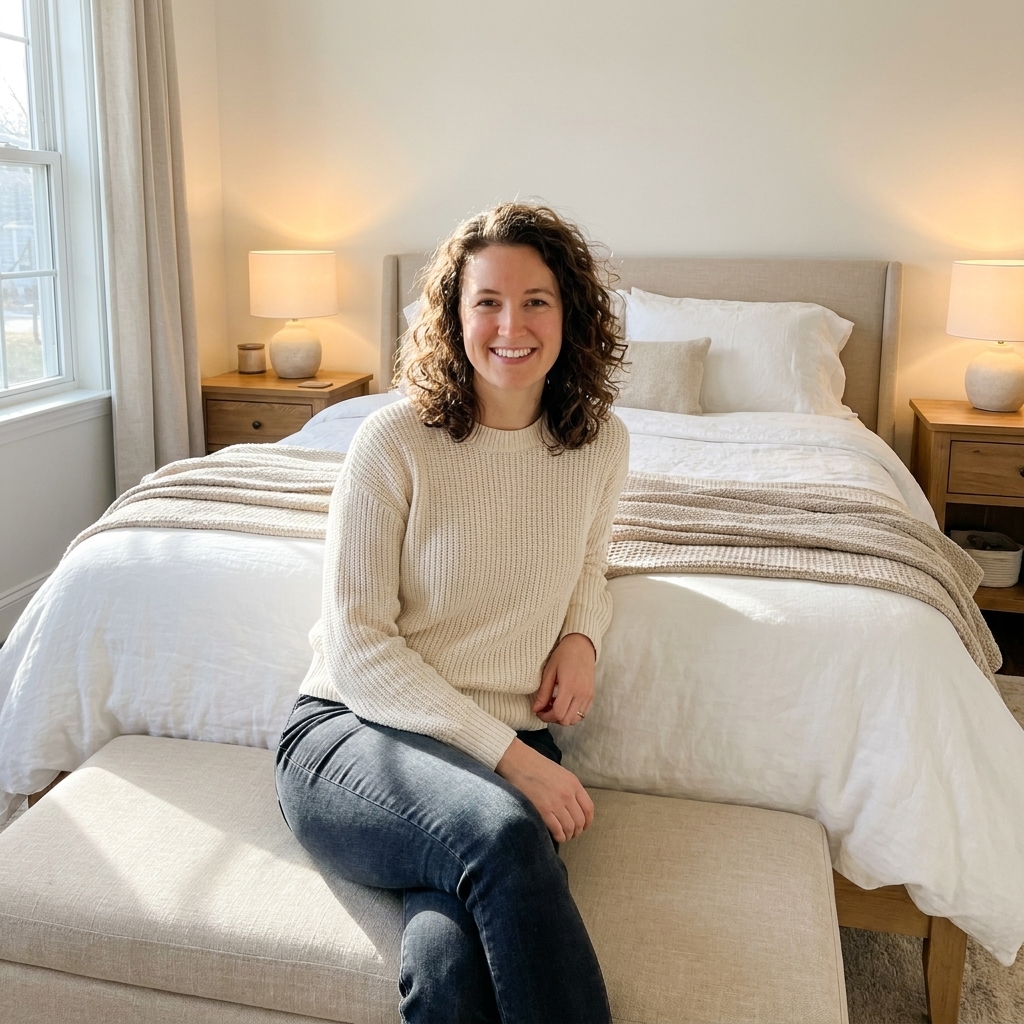
Choose a bench for everyday seating
- Best for: putting on shoes, tossing tomorrow’s outfit, creating a tailored “end cap” to the bed.
- Look and feel: lighter and more open than a trunk, great for small rooms that need visual breathing space.
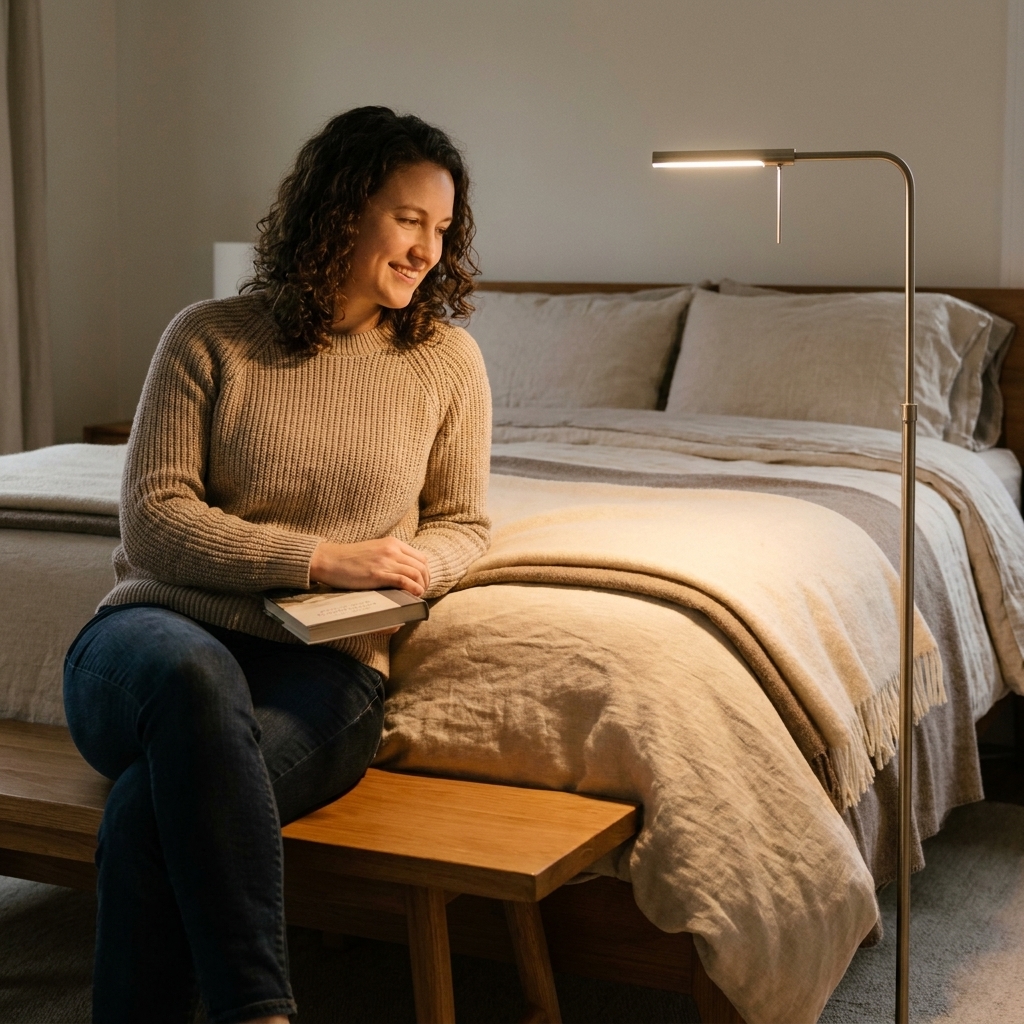
- Extra points: a bench with a lower shelf gives you a spot for baskets without turning into a bulky storage block.
Choose a trunk for hidden storage
- Best for: extra blankets, off-season bedding, board games, sentimental keepsakes you want nearby but not out.
- Look and feel: grounded and substantial, perfect if your bed feels a bit “floaty” in the room.
- Heads up: make sure it is easy to open with your bed placement. Hinges and lids need clearance.
Choose an ottoman for softness and flexibility
- Best for: relaxed vibes, smaller spaces, rounded edges (especially if you have tight walkways).
- Look and feel: plush and lounge-y, especially in boucle, velvet, or textured linen blends.
- Smart option: storage ottomans are great for nightly clutter like throw blankets, books, or a heating pad.
Size and spacing that works
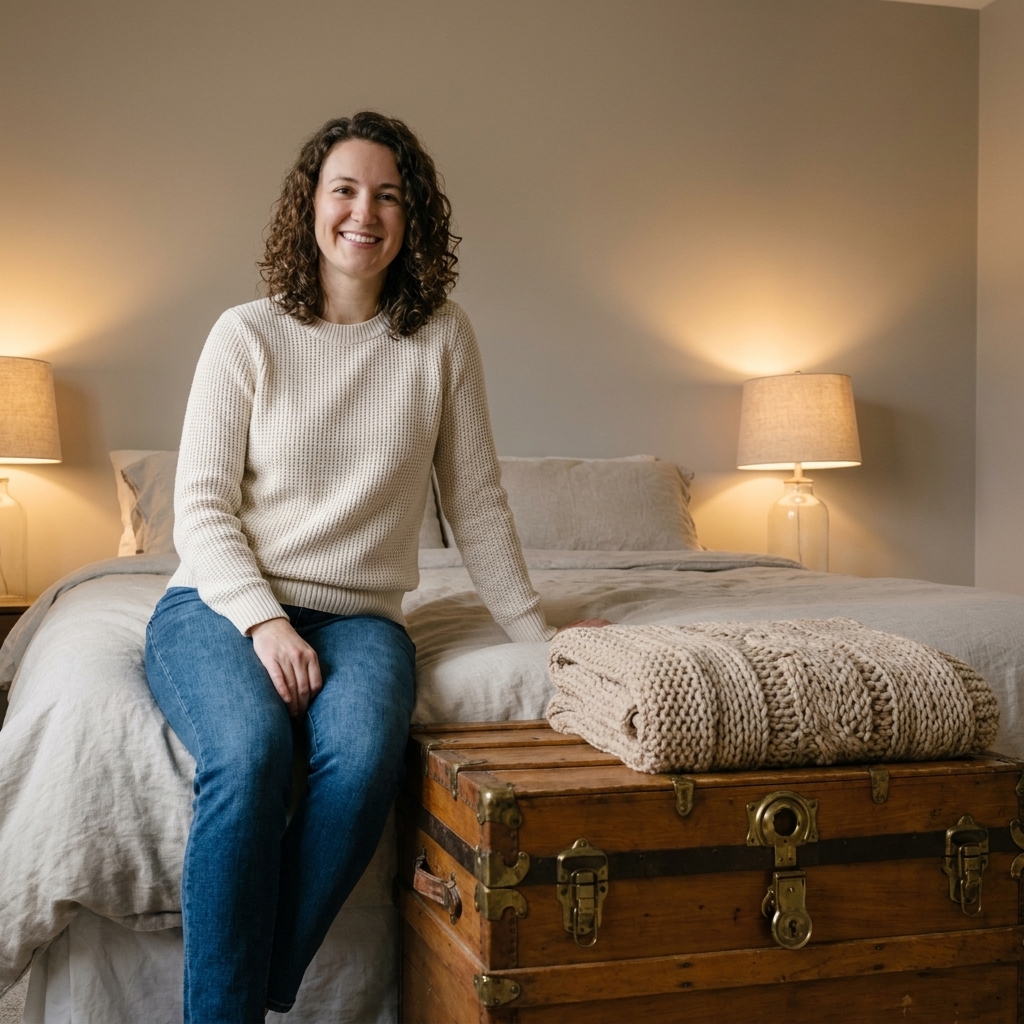
This is where most end-of-bed styling goes sideways. The piece is either too small (looks like an afterthought) or too deep (you bruise your shins daily). Use these as practical guidelines, then adjust for your room.
Length: aim for 60 to 80 percent
- Twin/Full: a petite bench or ottoman looks best, usually in the 36 to 48 inch range.
- Queen: 42 to 54 inches tends to look balanced.
- King: 54 to 72 inches looks proportional, depending on how airy you want it to feel.
If you have nightstands that are wide and visually heavy, go a bit longer at the foot to anchor the bed.
Depth: go slim in tight rooms
A depth of 14 to 18 inches is my comfort zone for most bedrooms. If you have a generous walkway, you can go deeper, but remember you still need to move around the bed without doing a sideways shuffle.
Clearance: treat 24 inches as a minimum
Measure from the outer edge of the end-of-bed piece to the next obstacle (dresser, wall, closet door swing). 24 inches is workable as a minimum, and 30 to 36 inches feels easy and spacious. If this is your main path through the room, aim wider when you can.
Height: usually at or below the mattress
For the most cohesive look, choose a piece that lands at or slightly below the top of your mattress. Higher trunks can work too, especially if they are visually lighter or you want a stronger, more structured end cap. The key is that it should not feel like a barrier when you walk past it.
Styling recipes
Think of the foot of the bed like a neckline for your bedroom. You want one strong base, plus one or two simple “accessories”. Not a whole jewelry box.
Bench styling: tailored and tidy
- Base: upholstered or wood bench in a tone that repeats somewhere else in the room (rug, headboard, curtains).
- Texture layer: a folded throw draped over one corner, not perfectly centered.
- Optional: a low basket underneath for slippers or extra pillows if the bench has a shelf.
If your bedding is very soft and rumpled (linen, gauzy cotton), a bench with cleaner lines adds balance.
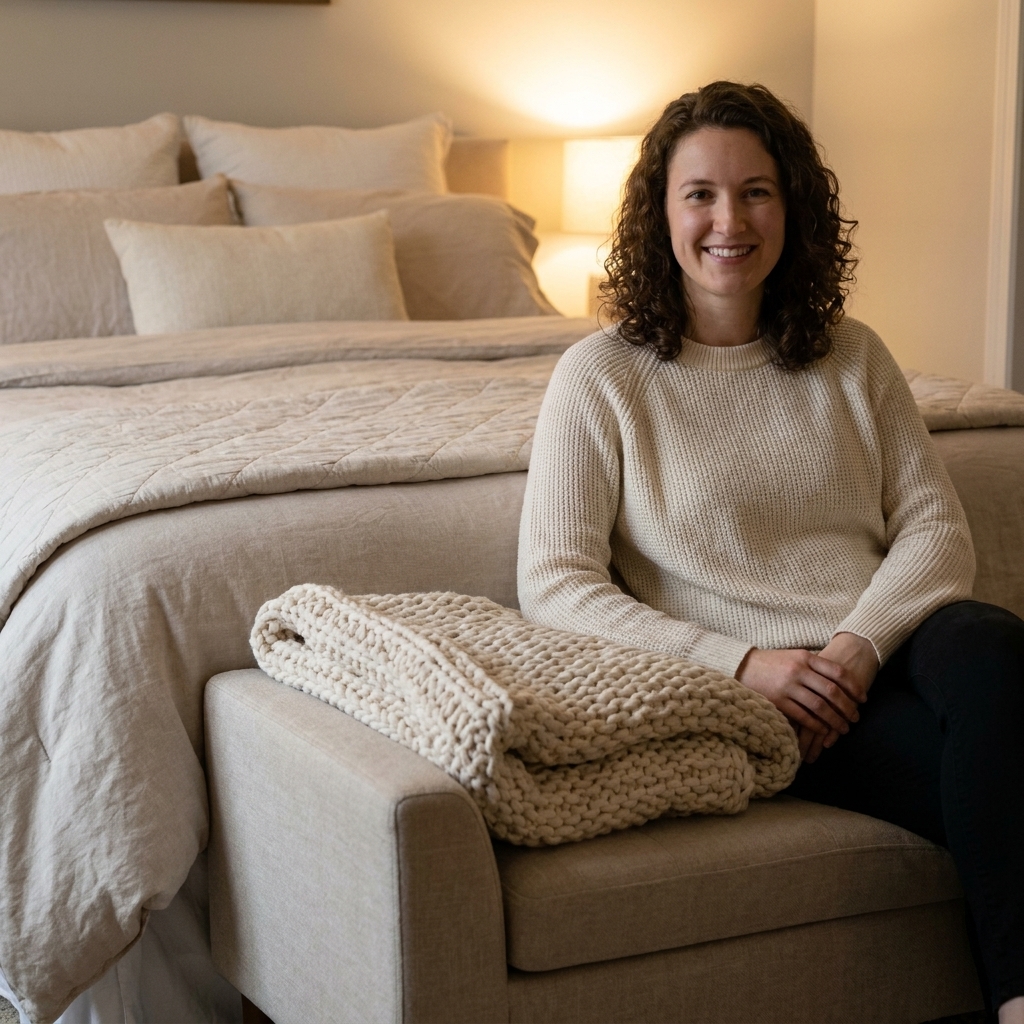
Trunk styling: curated and practical
- Base: trunk with character (aged leather, wood, woven rattan, or a painted vintage find).
- Top styling rule: keep the top 70 percent clear so it can still function.
- One vignette: a small tray with a candle and a book, or a single sculptural object.
A trunk is also a great place to echo metal finishes in your room. If your lamps are brass, a trunk with warm hardware feels connected.
Ottoman styling: soft and flexible
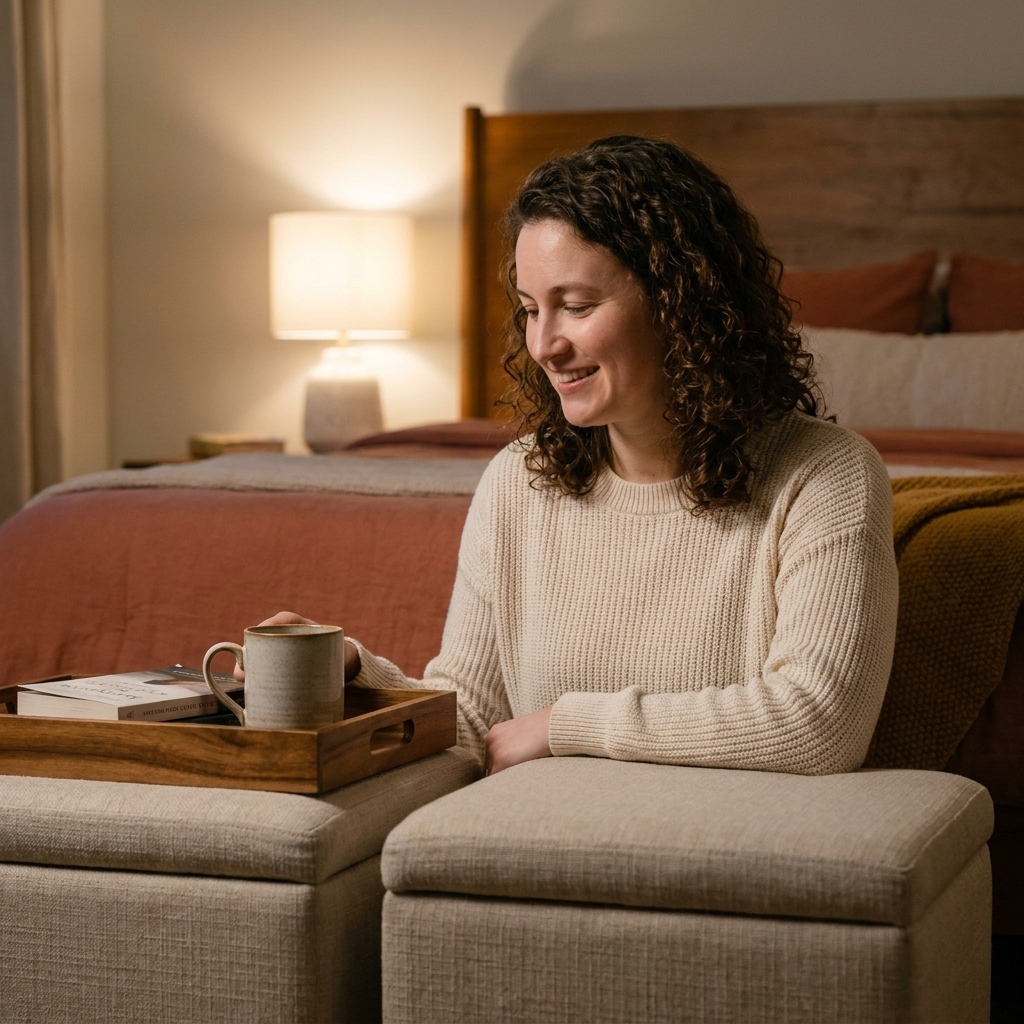
- Base: one large ottoman or two smaller matching ottomans for symmetry.
- Add structure: a tray on top if you tend to drop jewelry, glasses, or a mug there.
- Keep it inviting: choose a fabric that makes you want to sit, like velvet, chenille, or a nubby linen blend.
Two ottomans can be a tiny-space miracle because you can scoot them apart for walking space or extra seating when friends are over.
Lighting that finishes it
The foot of the bed looks its best when it is gently lit, not sitting in a shadowy dead zone. A little glow makes the whole room feel more pulled together.
Use layered light
- Bedside lamps: your main mood-setters. Warm bulbs (around 2700K) keep the room calm.
- Floor lamp in a corner: especially helpful if the end-of-bed piece is substantial, like a trunk.
- Picture light or plug-in sconce: draws the eye up and keeps the foot of the bed from feeling too visually heavy.
Let finishes reflect a little light
If your room feels dim, consider a bench with subtle sheen (performance velvet, leather, woven with a slight luster) or a trunk with metal hardware. It bounces lamplight in a way that feels warm, not flashy.
Match your bedroom style
You can make almost any end-of-bed piece work, but it looks best when it speaks the same design language as the rest of the room.
Modern and minimal
- Low-profile bench in black wood or oatmeal upholstery
- Clean lines, little to no visible styling on top
- One crisp throw folded with purpose
Cottage or classic
- Turned-leg bench, tufted ottoman, or a trunk with vintage charm
- Soft plaid or quilted throw for a gentle pattern moment
- Wicker basket nearby for lived-in warmth
Boho and collected
- Woven rattan trunk or a textured ottoman
- Layered textiles, like a mudcloth-inspired throw
- Mix woods, just repeat one tone at least twice to keep it cohesive
Glam or hotel-inspired
- Channel-tufted bench, velvet ottoman, or sleek storage bench
- Metal accents that match your lamp finish
- Keep the top styling minimal and glossy, like a small tray
Materials, pets, and real life
If your end-of-bed piece is going to be a daily drop zone, prioritize materials that can take it.
- Easy-clean wins: performance fabrics, leather, faux leather, or a trunk with a wipeable finish.
- Boucle reality check: it is beautiful, but it can snag with sharp jewelry, zippers, or curious cat claws. If that is your household, consider a tight weave, velvet, or a smooth performance fabric instead.
- Tray insurance: if you know you will set down water glasses, skincare, or a morning coffee, a tray makes cleanup easier and protects upholstery.
Thrift-friendly finds
Some of my favorite end-of-bed pieces are secondhand, because you can get real materials for a fraction of the price.
What to look for thrifting
- Sturdy frames: wobble is a no. Sit test it if you can.
- Solid wood trunks: check for odors and interior stains. A light sanding and liner can work wonders.
- Benches with good bones: outdated fabric is fixable, broken structure is not.
Quick upgrades that feel custom
- Reupholster the seat: even a staple-gun DIY can look amazing in a thick neutral fabric.
- Swap hardware: trunk latches and handles are surprisingly transformative.
- Add felt pads: protects floors and makes the piece easier to nudge into perfect alignment.
If you rent, I especially love pieces that read built-in without being permanent. A trunk or bench gives you that anchored look without a single wall hole.
Safety and comfort
A few small details can make a big difference, especially with kids, pets, or tight walkways.
- Soften sharp corners: if your path is tight, choose rounded edges (ottomans are great for this) or a bench with curved corners.
- Trunk lids: look for soft-close hinges or lid supports so it does not slam shut on fingers.
- Slip control: if you use a tray on an ottoman, pick one with a grippy base or add small clear bumpers so it does not slide.
Common mistakes
It blocks the walkway
Fix: go slimmer in depth, or switch to two small ottomans you can slide aside.
It looks too small
Fix: choose a longer piece or visually extend it with a throw that drapes slightly over the sides. If it is dramatically undersized, relocate it to a window and use it as a reading perch.
It becomes a laundry chair
Fix: add a tray, a folded throw, or keep the top mostly clear. A styled zone makes random piles feel out of place, which helps you stay on track.
It feels like it is floating
Fix: pull it closer to the bed (a small gap is fine), and repeat its material elsewhere. Example: a wood bench looks grounded when a wood frame mirror or wood-toned picture frames show up across the room.
Quick checklist
- Pick the function first: seating, hidden storage, or softness.
- Aim for 60 to 80 percent of bed width for the length.
- Plan for 24 inches minimum clearance, and 30 to 36 inches if you can.
- Choose a height that looks cohesive, often at or slightly below mattress height.
- Style lightly: one throw, one tray, or one simple object.
- Make sure lighting reaches the foot of the bed for a finished look.
FAQ
Do I need an end-of-bed piece in a small room?
No, but a slim bench or two petite ottomans can actually make a small room feel more functional. The key is choosing a shallow depth and protecting your walkway.
Can I put a trunk at the foot of an upholstered bed?
Absolutely. The contrast can be beautiful. Pairing a soft upholstered bed with a structured trunk adds variety. Just keep the trunk height reasonable so it does not visually compete with the mattress.
What should I put on top of a bench or trunk?
Less than you think. A folded throw is usually enough. If you want a little vignette, use a small tray and keep it to two items max.
Should it match my nightstands?
It does not have to match, but it should coordinate. I like repeating either the wood tone, the metal finish, or the upholstery color somewhere else so it feels connected.