If your bedroom feels less like a sanctuary and more like a hallway with a bed parked at the end, you are in the right place. Long, narrow rooms can give us the dreaded bowling alley effect: everything lined up on two walls, a runway down the middle, and zero sense of cozy.
The good news is you do not need a renovation to fix it. You need zones, better sightlines, and a few furniture swaps that actually respect the room’s proportions. Below are seven layouts I reach for again and again in rentals and long rectangles, plus the small styling moves that make each one feel intentional.
Before you move anything: 4 quick checks
These take five minutes and they prevent that annoying cycle of shoving the bed around, then hating every option.
- Mark your walkways. Ideally aim for about 24 to 30 inches of clear path on the main side you use most. In very tight rooms, 18 to 24 inches may be the reality, and that is still workable if you keep the path uncluttered.
- Measure the real footprint. Tape out your bed size on the floor, then add door swing and drawer pull space. A layout that looks fine on paper can fall apart when the closet door cannot open.
- Find your power points. Outlets, radiator clearance, closet swing, and window access usually decide the best wall for the bed.
- Choose your anchor. In most bedrooms, the bed is the anchor. In very tight rooms, sometimes a wardrobe wall or desk zone becomes the anchor and the bed supports it.
1) Classic: bed on the short wall
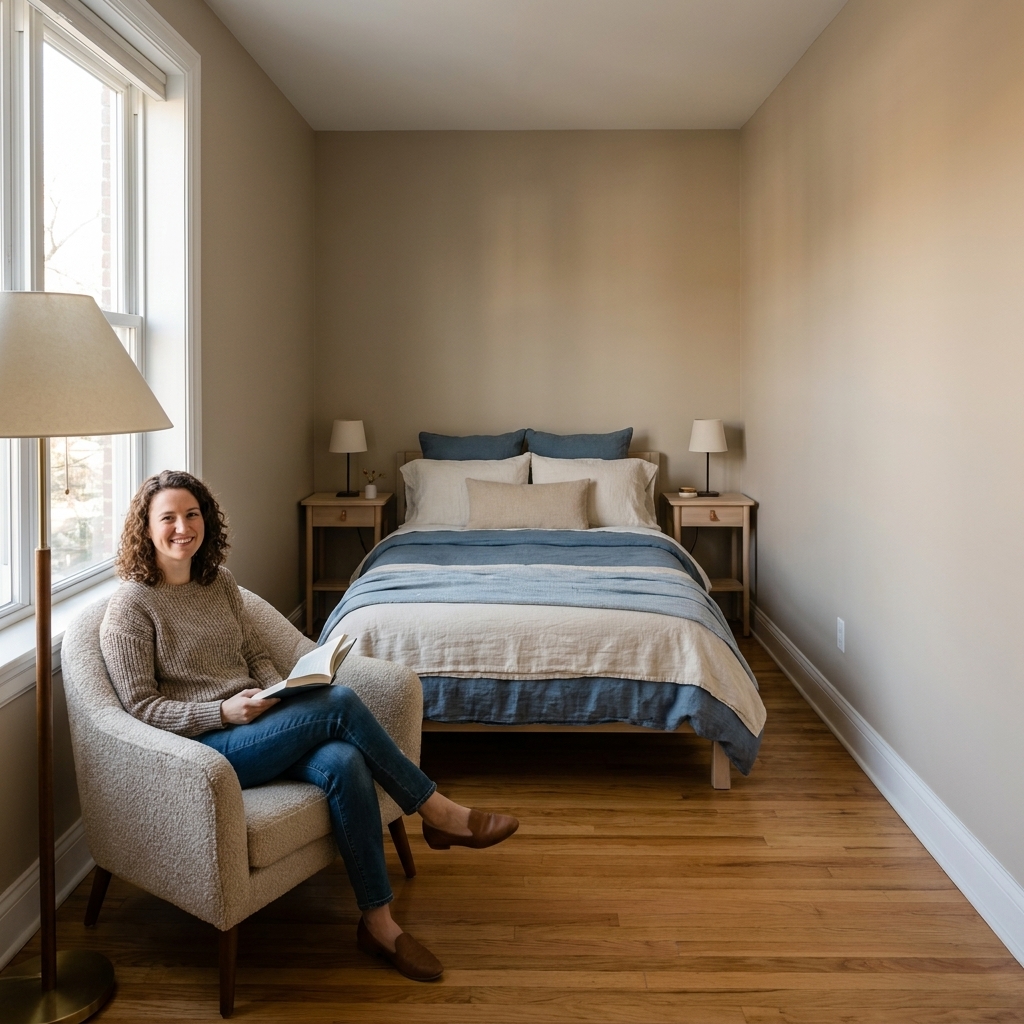
This is the cleanest fix for the bowling alley vibe because it immediately breaks the hallway feeling. When you walk in, you see a bed wall, not a runway.
How to set it up
- Place the bed on the short wall opposite the door if possible.
- Use slim nightstands or wall-mounted shelves if clearance is tight.
- Keep taller storage (dresser, wardrobe) along a long wall so it reads as one continuous line.
Why it works
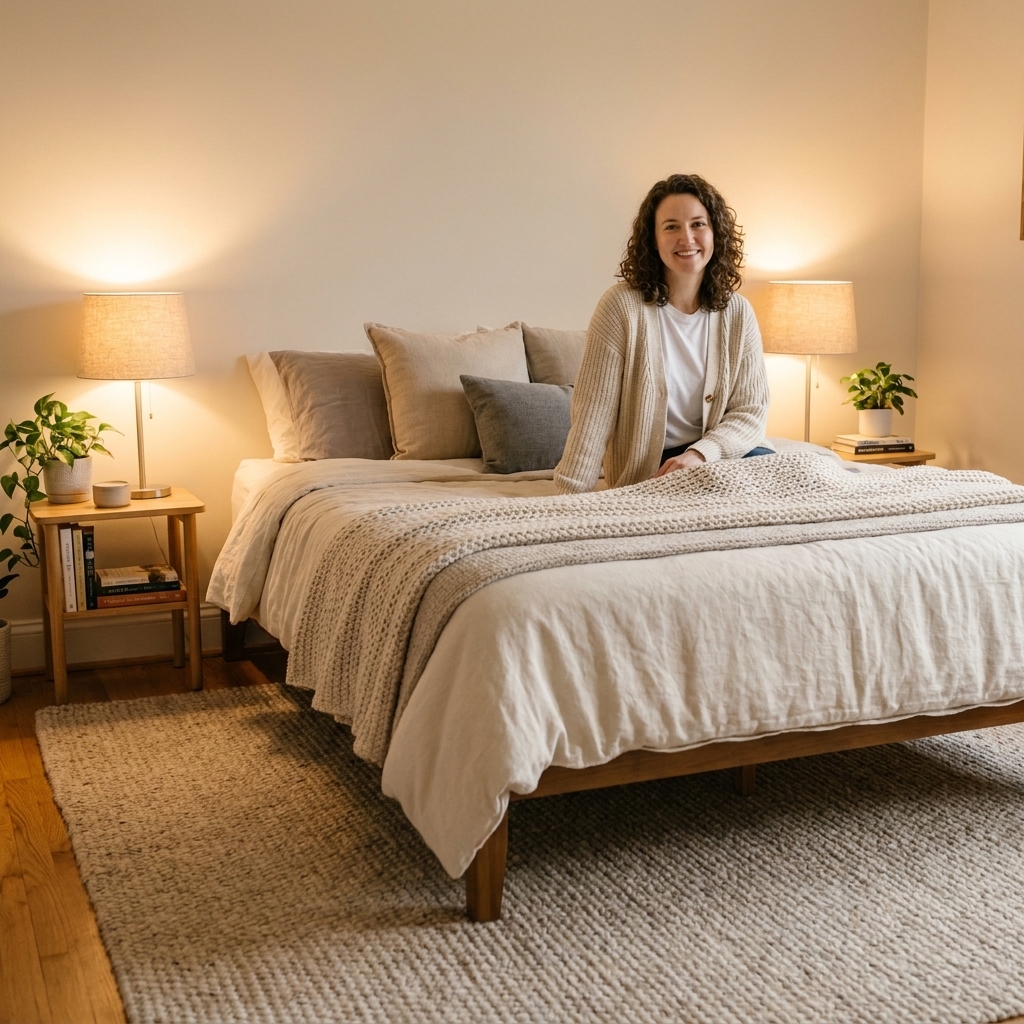
Symmetry on the short wall makes the room feel wider, even if it is not. Add a large rug that extends past the sides of the bed and you will feel that “wider” illusion underfoot, too.
2) One-sided walkway: bed on a long wall
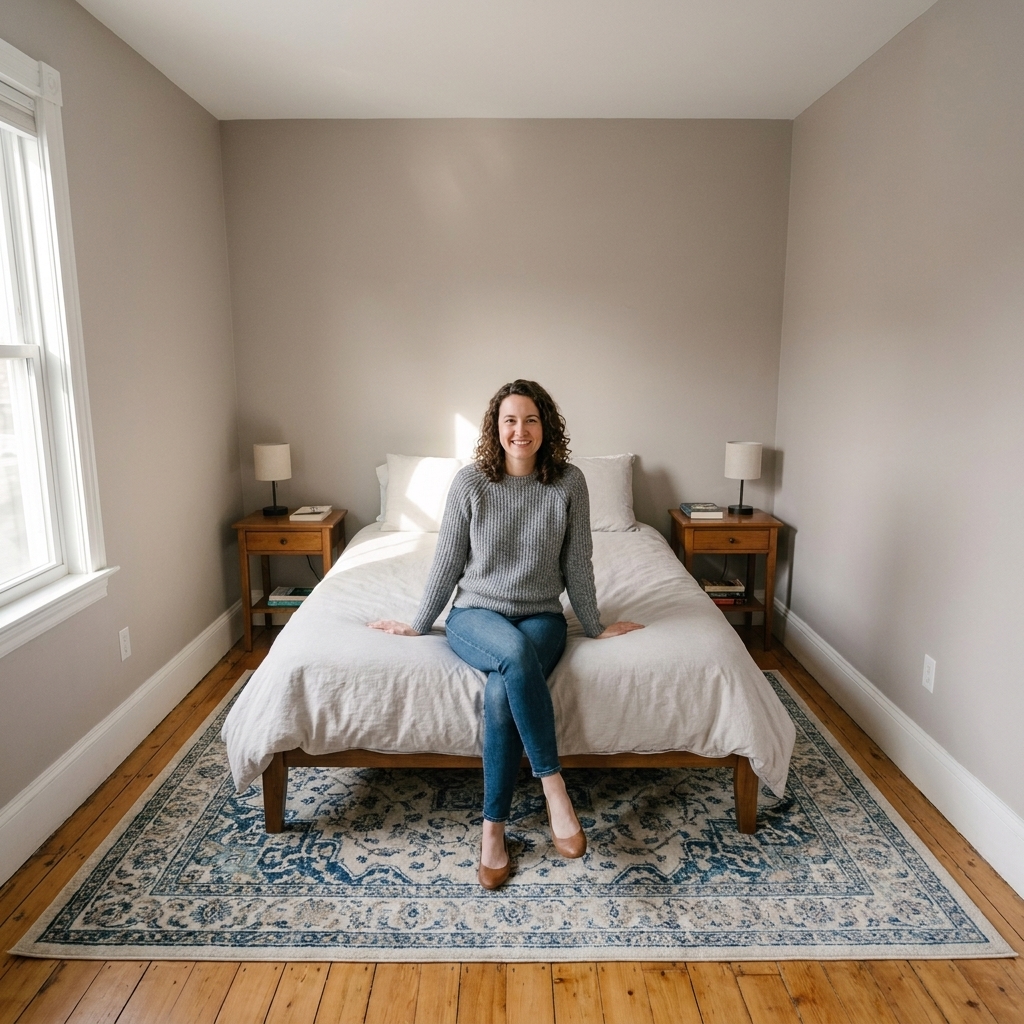
If your room is very narrow, centering the bed can eat your walkway. In that case, I would rather have one generous path than two tight shuffles.
How to set it up
- Push the bed toward one long wall, leaving one main side open for walking.
- Use one nightstand (or a narrow ledge shelf) on the open side.
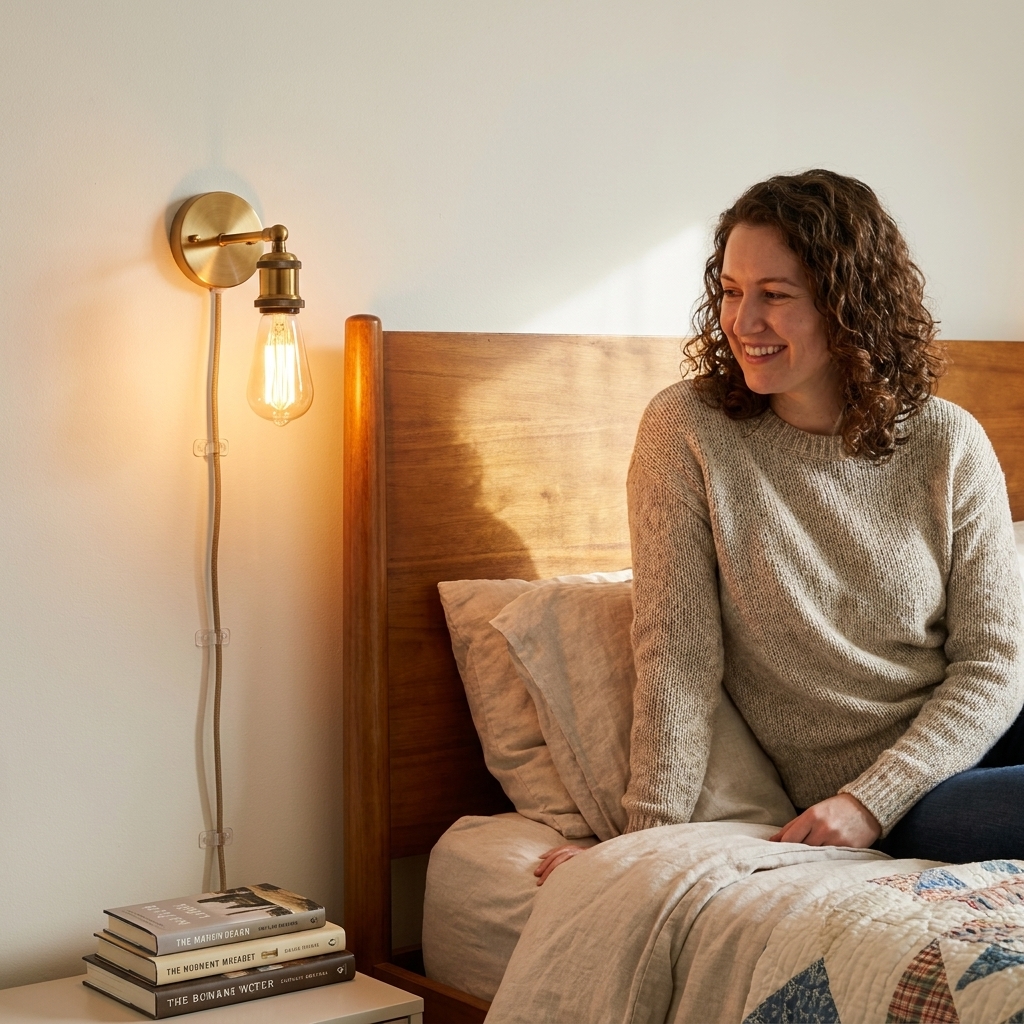
- Hang a plug-in sconce or swing-arm wall lamp so you do not lose surface space.
Make it feel intentional
Style the wall side like a built-in: tuck in a bolster pillow, add a soft wall tapestry or upholstered headboard, and keep bedding crisp so it reads like a daybed moment, not a compromise.
3) Floating bed: a dressing lane behind
Yes, you can float a bed in a long rectangle. This layout is magic when you have a closet wall you want to access without trekking the full length of the room every time you get dressed.
How to set it up
- Pull the bed about 12 to 24 inches off a long wall, only if you can still open doors and closets and keep a usable walkway.
- Use the space behind for a dressing lane: a slim dresser, a laundry hamper, hooks, or even a mirror.
- Anchor the bed with a rug so it feels placed, not stranded.
Pro tip
Make the back-of-bed area feel like a mini room: a runner rug plus a wall mirror instantly says “getting ready zone.”

4) Two zones: sleep + lounge
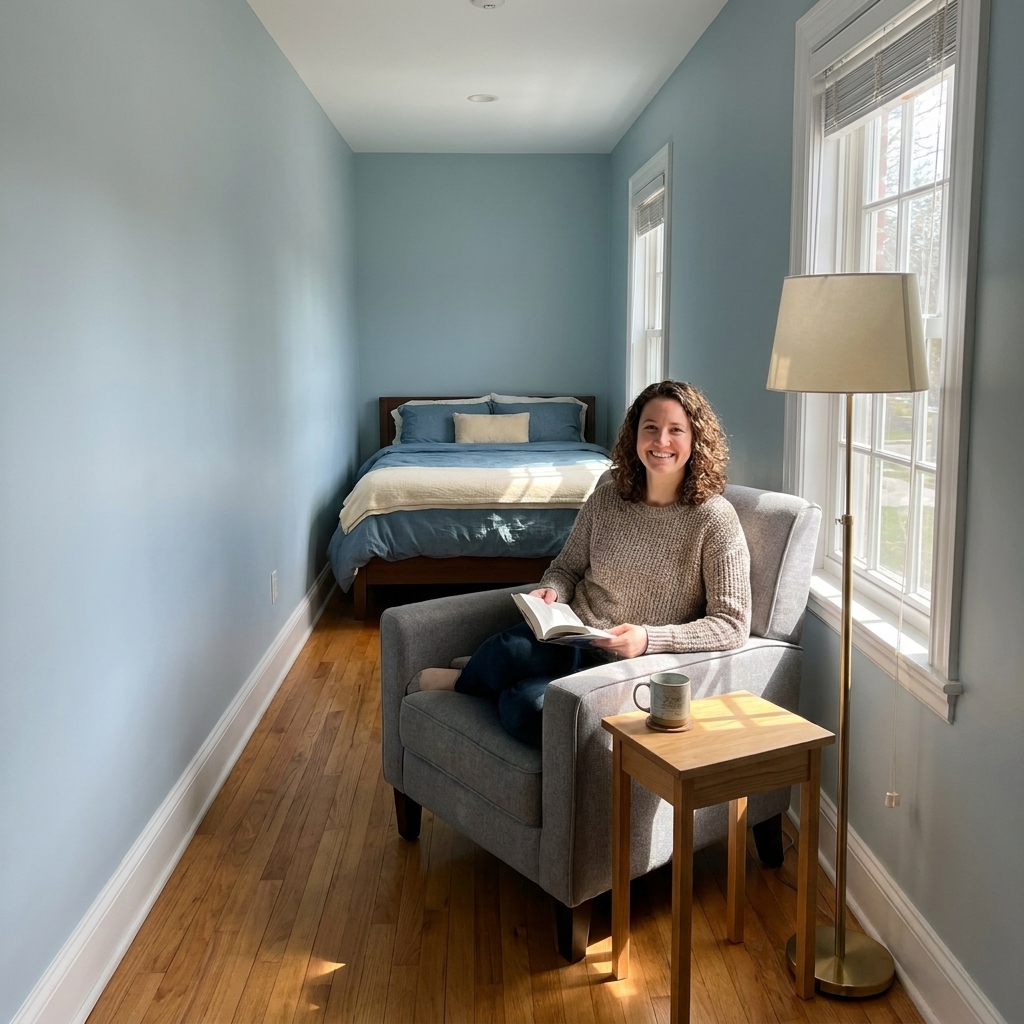
Long rooms crave division. A simple two-zone setup turns the length into a feature: one end is for sleeping, the other end is for decompressing.
How to set it up
- Place the bed at one end (short wall or long wall, depending on your door and windows).
- Create a lounge at the other end: a chair, petite loveseat, or bench plus a floor lamp.
- Use a rug or different lighting to define each zone.
What keeps it cozy, not cluttered
Keep the lounge furniture visually light. Think open-leg accent chair, armless slipper chair, or a small bench with space underneath. In narrow rooms, chunky arms and bulky bases steal precious breathing room.
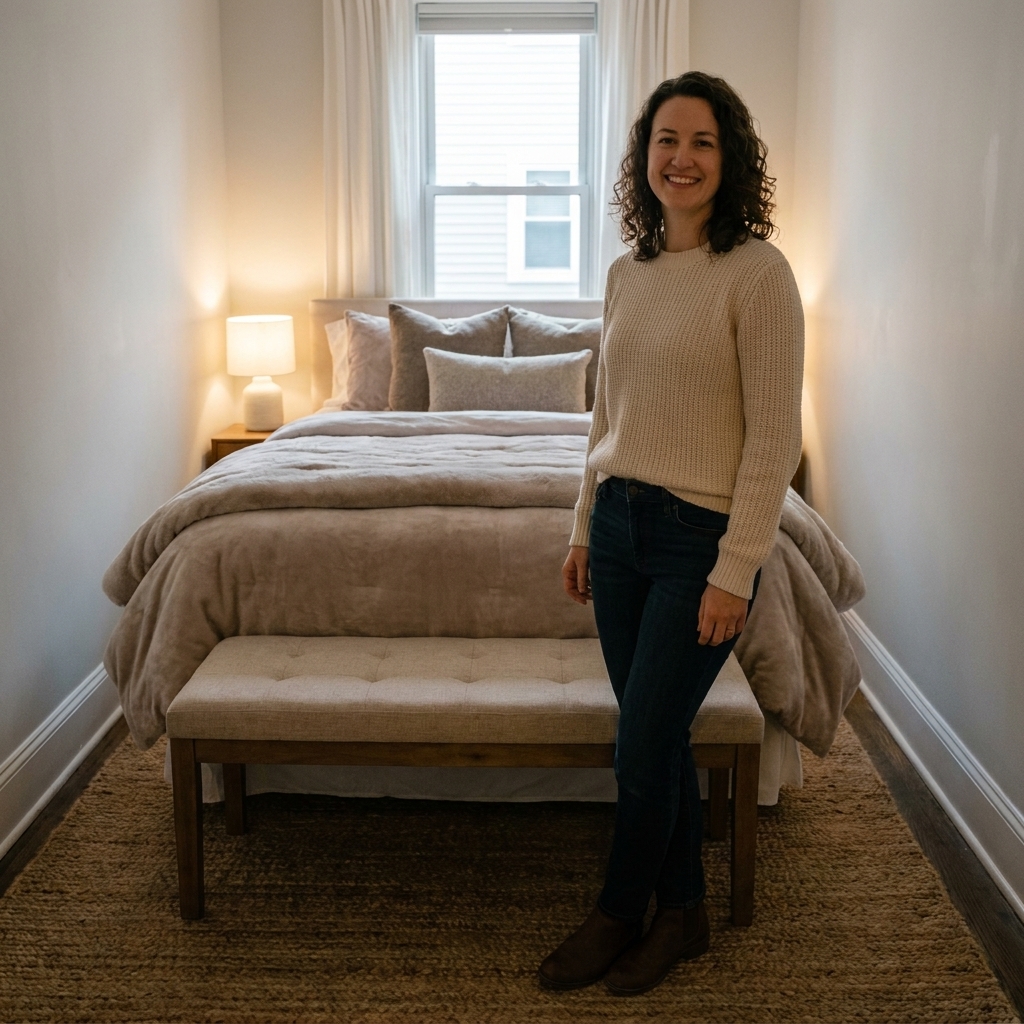
5) Split sightline: break the runway
This layout is for rooms that feel especially tunnel-like. The trick is to interrupt the long sightline with furniture that sits perpendicular to the length.
How to set it up
- Put the bed on a long wall (centered if possible).
- Add a bench at the foot of the bed (or two small ottomans) to cut the runway visually.
- Place a dresser or desk partway down the opposite wall, not all the way at the end.
Why it works
You are creating beats as the eye moves down the room. Instead of one long empty lane, the space feels like a sequence of purposeful areas.
6) Corner bed: tiny-room lifesaver
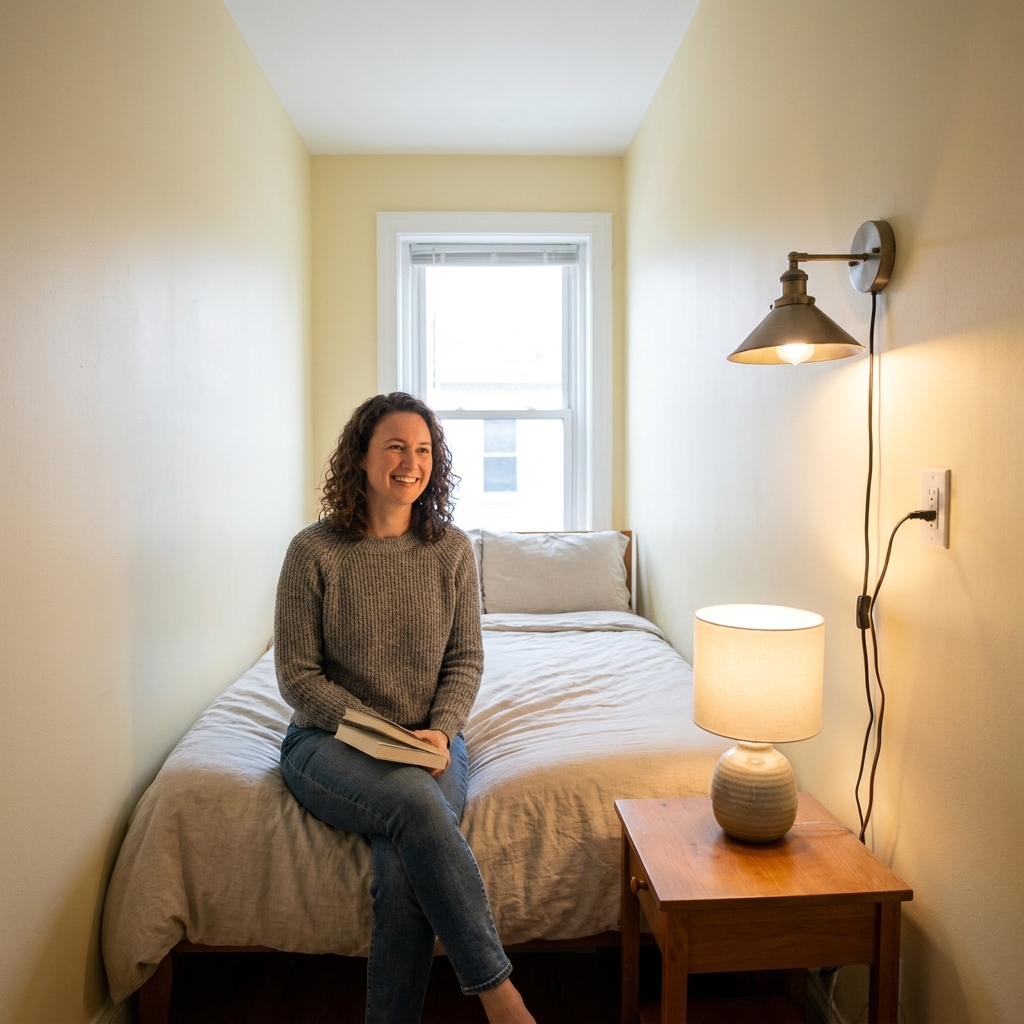
If you are working with a truly tight rectangle (especially in older rentals), a corner bed can be the most livable option. It is also fantastic for guest rooms that need to double as storage or a hobby space.
How to set it up
- Tuck the headboard into a corner on the short wall or along a long wall.
- Use a wall shelf as a nightstand substitute.
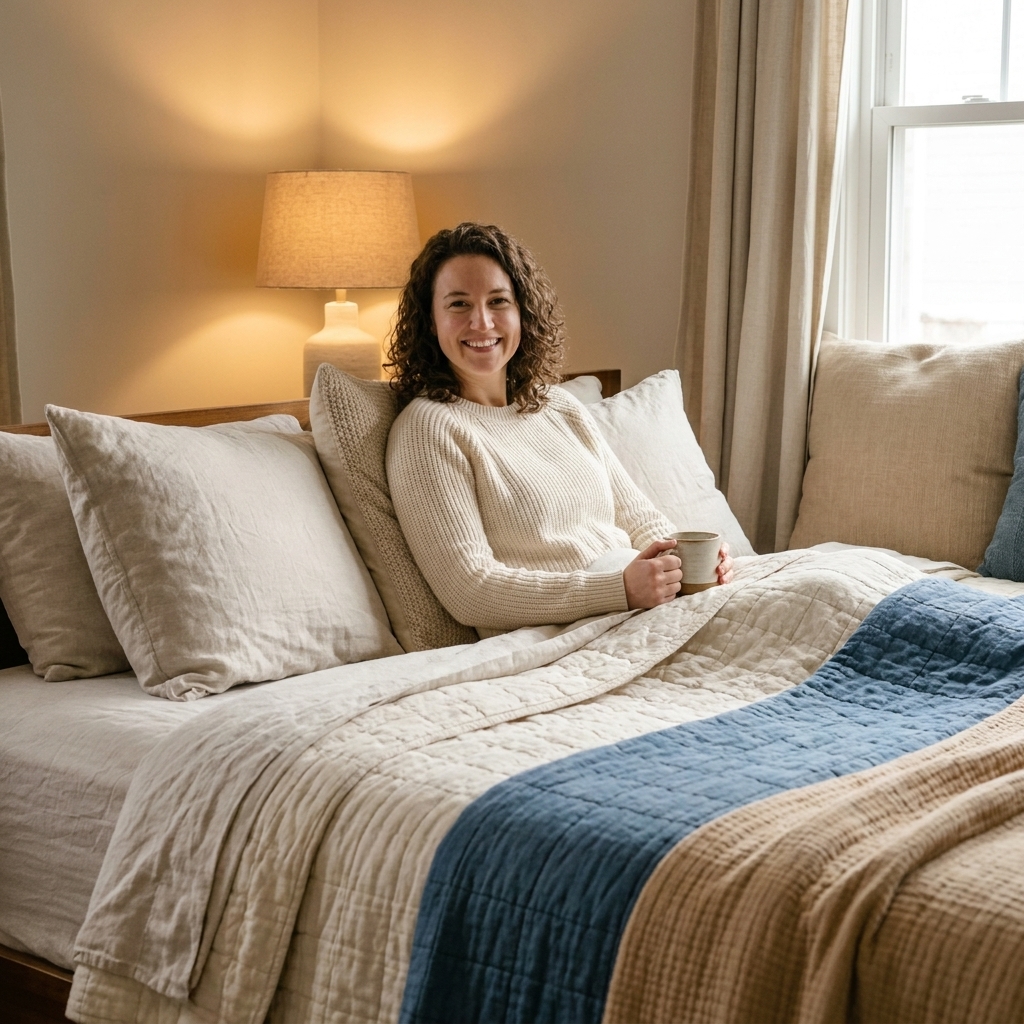
- Layer pillows and a throw on the open side so it looks styled, not squished.
Make it feel elevated
Add a fabric headboard, a tall pillow stack, and a cozy wall light. A corner bed can look intentional when you treat it like a daybed moment with extra texture.

7) Work zone: desk as divider
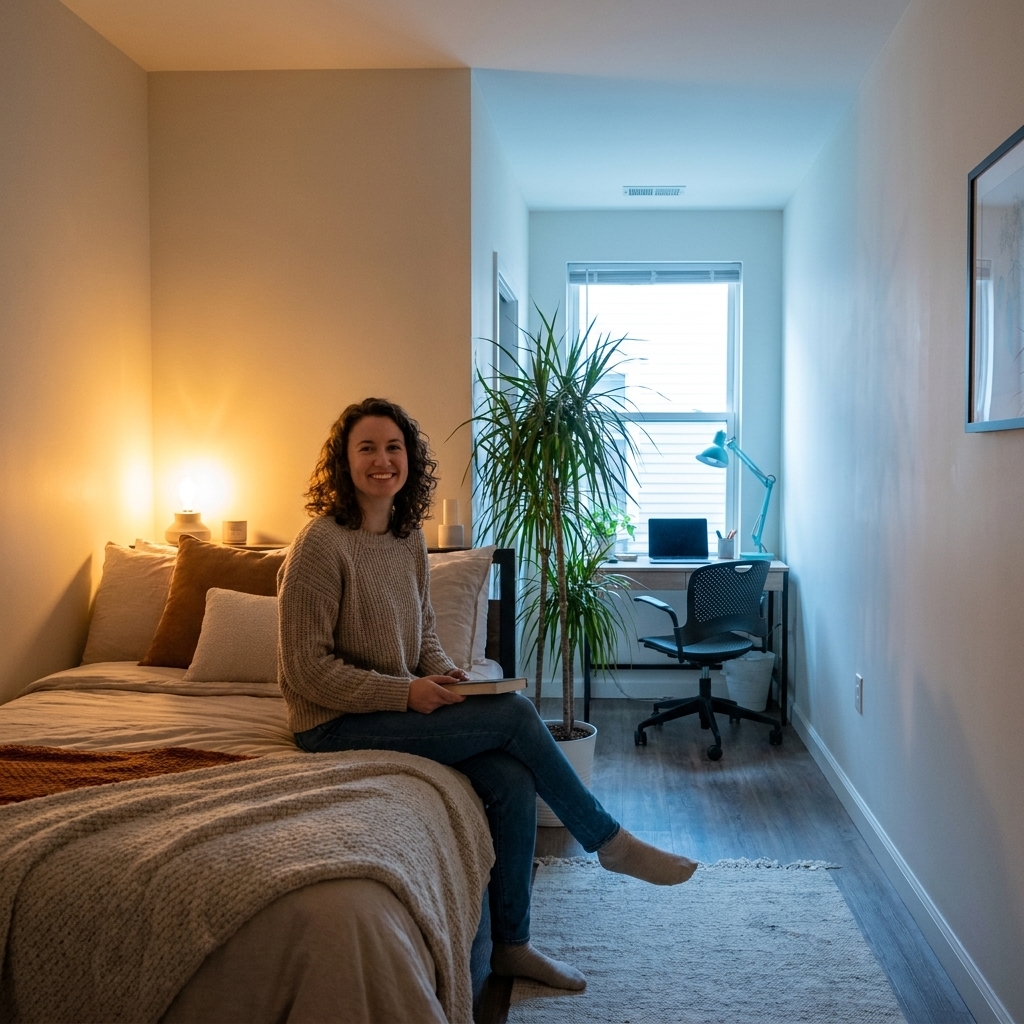
If your long bedroom has to work harder, this is the layout that keeps sleep separate from screens. The goal is to prevent your bed from being the default background for every call and the default place you do admin work.
How to set it up
- Place the bed at one end, then create a work zone at the other end.
- Use a shallow desk for laptop and light work. Around 14 to 18 inches deep is often enough for that. If you use a monitor setup or need writing space, plan closer to 20 to 24 inches.
- Divide visually with a tall plant, open bookshelf, or even a curtain track if you want a soft separation.
Small details that help you switch off
Use warmer bulbs in the sleep zone and a brighter task lamp at the desk. Lighting cues are surprisingly powerful for telling your brain what mode you are in.
Bed size and storage: the real-world fixes
If a long, narrow bedroom refuses to cooperate, it is usually one of two things: the bed is too big for the clearances, or storage is eating the walkway.
- Consider sizing down if you are constantly squeezing by. Swapping a queen for a full can buy you meaningful inches for a nightstand or a less stressful path, especially if you are also fitting a dresser or desk.
- Use the space under the bed. Under-bed drawers, lidded bins, or a lift-up storage frame keep the long walls from getting crowded with extra furniture.
- Go wall-mounted when you can. Floating shelves, plug-in sconces, and hooks behind the door free up floor space without sacrificing function.
Styling tricks that make narrow rooms feel wider
Once the layout is working, these are my favorite low-effort upgrades that make a long rectangle feel calmer and more balanced.
- Go vertical. Tall curtains hung high, a vertical mirror, and wall sconces draw the eye up and off the floor runway.
- Use one large rug, not several small ones. A bigger rug reduces visual chop and makes the footprint feel more expansive.
- Choose lower, longer pieces. A long low dresser often reads calmer than a tall narrow chest in a tight space.
- Break up long walls. A pair of medium artworks, a textile, or a gallery ledge creates rhythm so the wall does not feel endless.
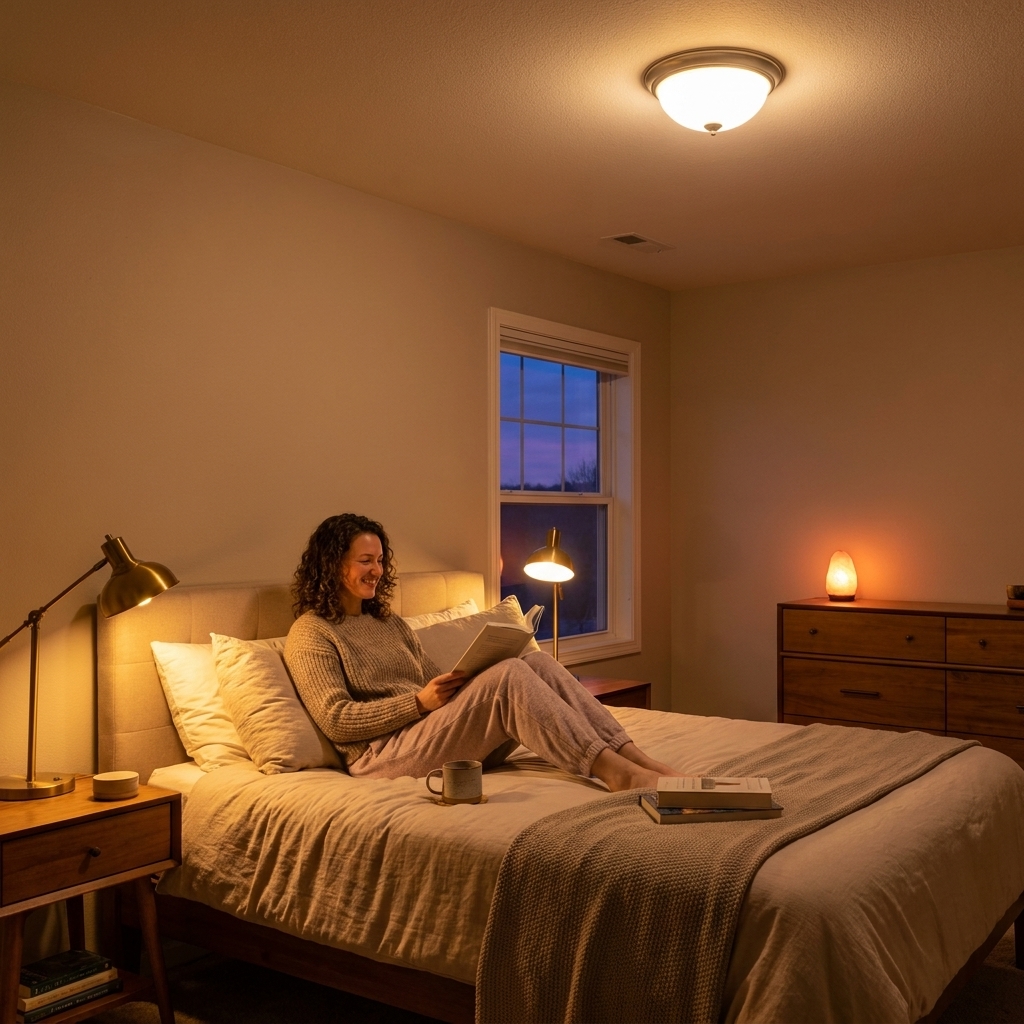
- Light in layers. Overhead, bedside, and one soft glow source (like a shaded table lamp or a salt lamp used purely for ambiance) prevents that harsh tunnel lighting.
Quick FAQ
Where should a bed go in a long, narrow bedroom?
Start with the short wall if you can, especially opposite the door. If the room is too narrow for comfortable walkways, push the bed to one long wall and commit to one main path on the open side.
How do I stop my room from looking like a hallway?
Create zones and visual breaks: a bench at the foot of the bed, a reading nook at one end, or a dresser placed partway down a wall instead of all the way at the far end. Rugs and lighting changes help reset the eye, too.
What furniture works best in narrow bedrooms?
Look for slim nightstands, wall shelves, plug-in sconces, shallow desks, and open-leg pieces. In tight rooms, the air space under furniture matters as much as the footprint.
A final cozy reminder
Long, narrow bedrooms are not hopeless. They just need permission to be more than one long line. Pick one layout from above, commit to it for a weekend, and then tweak with lighting and textiles. That is how these tricky rooms become the coziest ones, I promise.