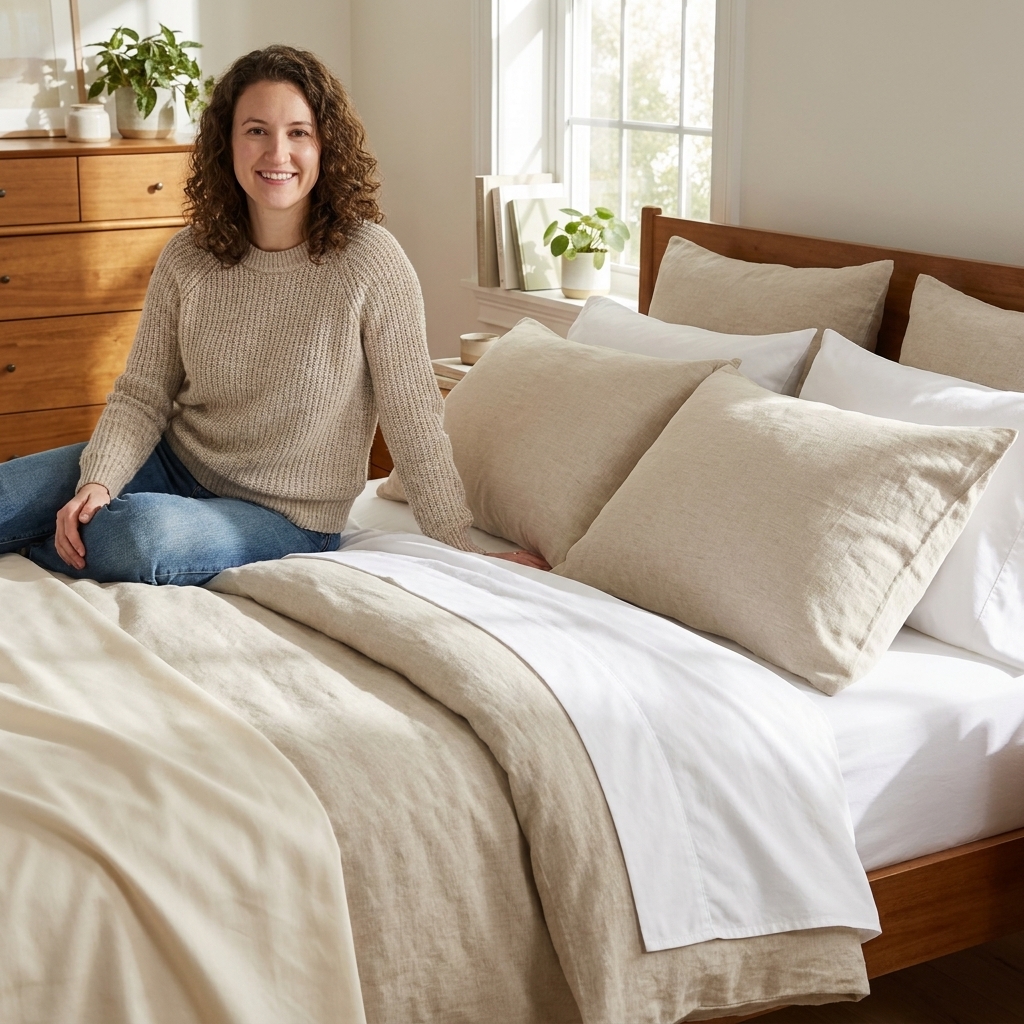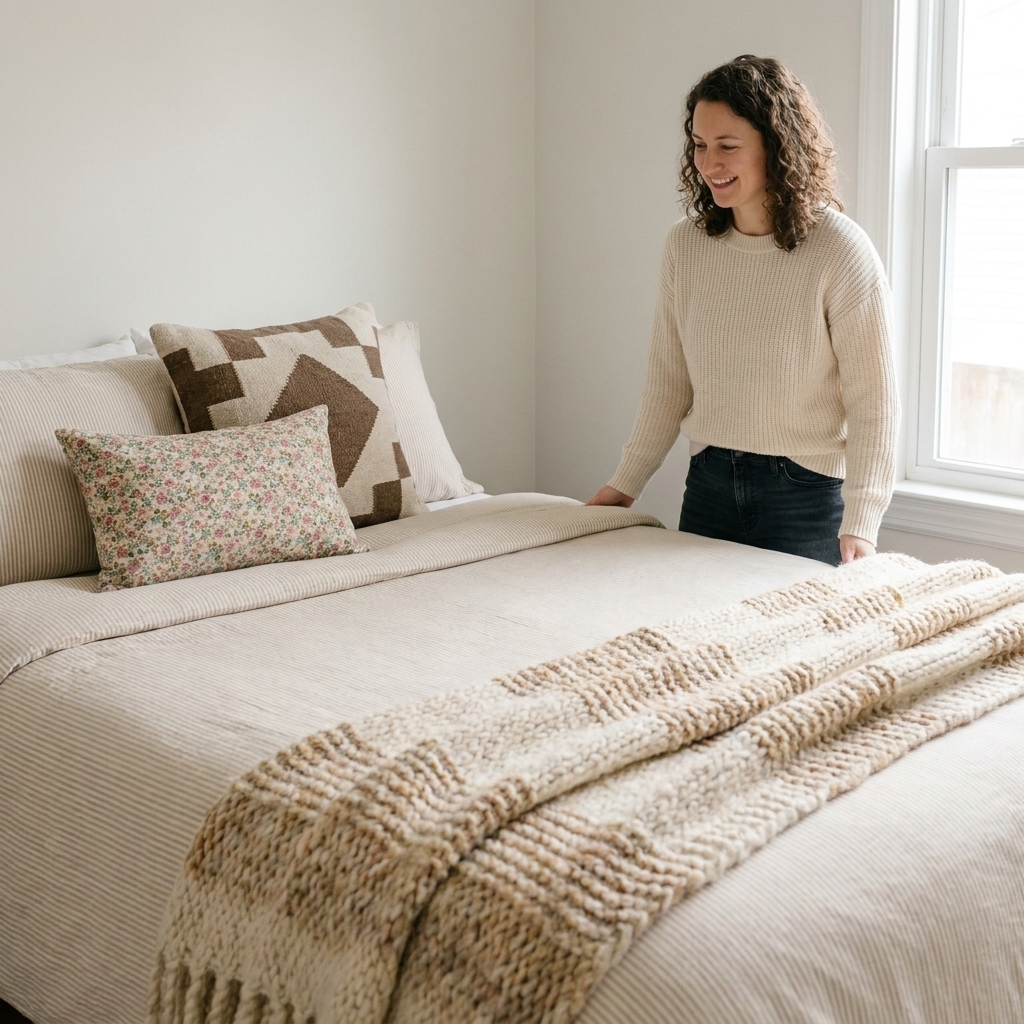
Choosing your bed’s top layer is one of those deceptively big decisions. It’s not just about warmth. It’s about how your bed looks from across the room, how often you want to do laundry, and whether you like that tucked-in hotel vibe or a casual, “I woke up like this” drape.
I thrift a lot of bedding, so I’ve tested all three options in real life: duvets that feel like sleeping under a cloud, comforters that are a one-and-done win, and quilts that make a room feel instantly finished. Let’s sort out what each one does best so you can pick the right match for your style, your climate, and your patience level.

Quick definitions
- Duvet: A filled insert (down, feathers, wool, silk, or synthetic) that goes inside a removable duvet cover. Think of it like a big pillow with a jacket.
- Comforter: A filled blanket with a sewn-on outer fabric. No cover required, although you can use one.
- Quilt: A thinner, stitched blanket, usually cotton, with batting inside and a decorative top. Often used alone in warm months or layered in cooler months.
Duvet
If you love changing your bedroom vibe with the seasons, a duvet is your best friend. Swap the cover, and you’ve basically redecorated without buying a whole new top layer. Duvets also give you that plush, gently rumpled look that feels very cozy-luxe.
Why you might love a duvet
- Easy style refresh: One insert can live through many looks. Crisp percale in summer, moody linen in fall, flannel when winter hits.
- Custom warmth: You can buy a lightweight, all-season, or winter-weight insert based on your climate and how you sleep. (To be fair, comforters also come in different weights, but duvets make swapping warmth levels simpler.)
- Washability: You wash the cover more often than the insert, which is great if you have pets, allergies, or snack-in-bed habits.
What to know before you commit
- Making the bed can take more effort: If your cover shifts, you may be doing the “shake and fluff” routine more than you want.
- The cover is a laundry project: Duvet covers can be bulky. If you have a smaller washer, this matters.
- Budget can creep up: You’re buying an insert and at least one cover. (Worth it, but it adds up.)
My duvet styling tricks
- Get the size right for your brand: That popular “size up the insert” hack can work, but it is not universal. A king insert will not comfortably fit every queen cover. If you want extra puff, look for an oversized insert made for your bed size, or choose a slightly roomier cover and stay within the same size family. If in doubt, check the actual inch measurements, not just the label.
- Use corner ties: If your insert has loops, buy a cover with corner ties (or add ribbon ties). It makes a bigger difference than people think.
- Pick a cover texture that matches your room’s noise level: Busy wallpaper or bold art looks calmer with solid linen or cotton. Minimal rooms can handle a subtle stripe, block print, or textured waffle.
- Do the lazy fold: Fold the duvet down about one-third of the way to show off sheets and make the bed look layered even if your pillow situation is simple.
Comforter
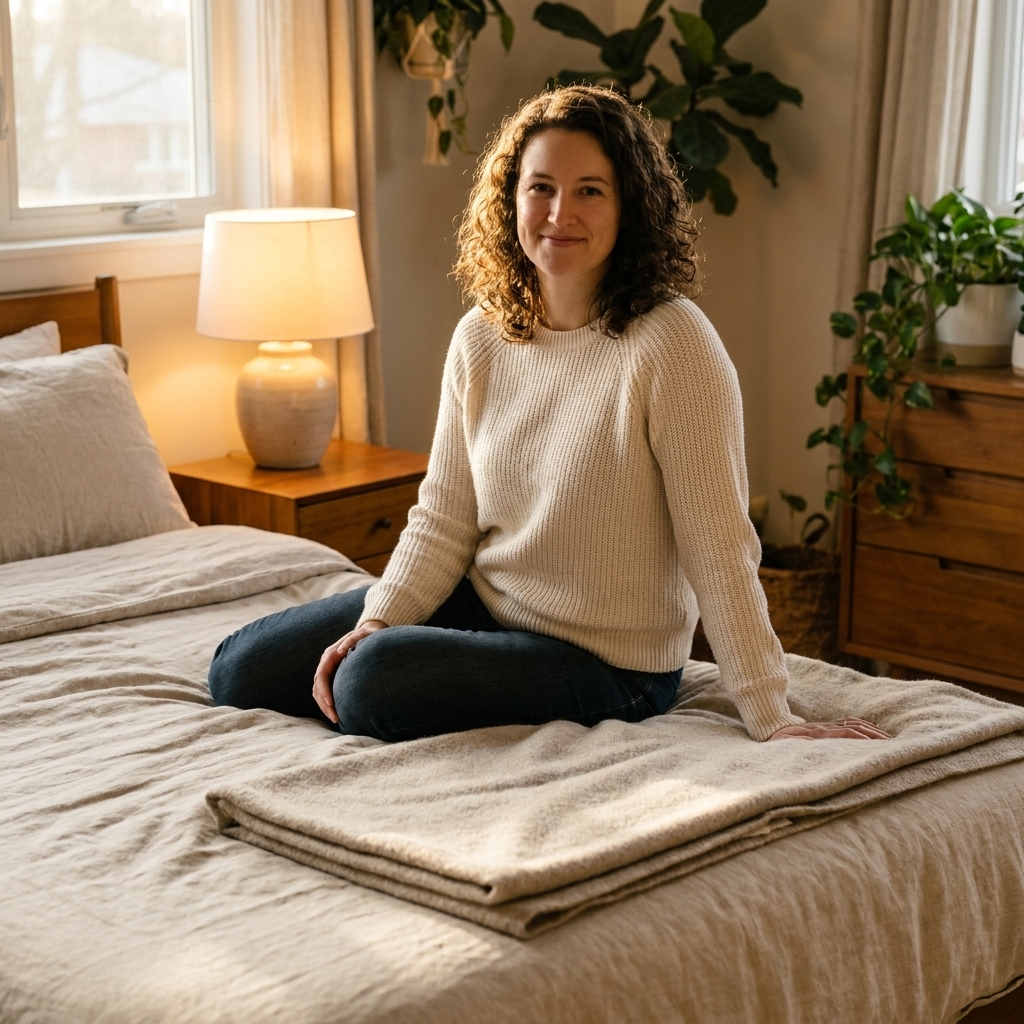
If you want your bed to look put-together without thinking too hard, comforters are a low-fuss favorite. They are especially great for kids’ rooms, guest rooms, and anyone who wants a quick bed-making routine.
Why you might love a comforter
- No cover required: Put it on the bed, done.
- Consistent look: No shifting insert corners, no bunching inside a cover.
- Often less expensive upfront: Many comforters come in sets, which can be budget-friendly.
Where comforters can fall short
- Laundry can be annoying: You wash the whole thing. If it’s thick and oversized, drying time is real.
- Less adaptable: You cannot change the “outer outfit” as easily as a duvet cover.
- Warmth can be hit or miss: Some comforters run hot. Others look fluffy but feel thin. Check fill type and weight before buying.
Comforter shopping cues I trust
- Box stitching or baffles: Helps keep the fill from migrating into sad little clumps. (Baffle-box construction is often loftier; sewn-through box stitching can be a bit flatter and sometimes cooler.)
- Fabric matters: Cotton percale feels crisp and breathable. Microfiber is budget-friendly and soft but can trap heat for hot sleepers.
- Check the label for “all-season” vs “winter”: Comforters come in weights too, but the labeling can be vague. If you can, look for an actual fill weight in ounces or grams.
- Consider a washable cover anyway: If you love a comforter but want easier cleaning, you can still add a duvet cover on top. It’s not illegal, I promise.
Quilt
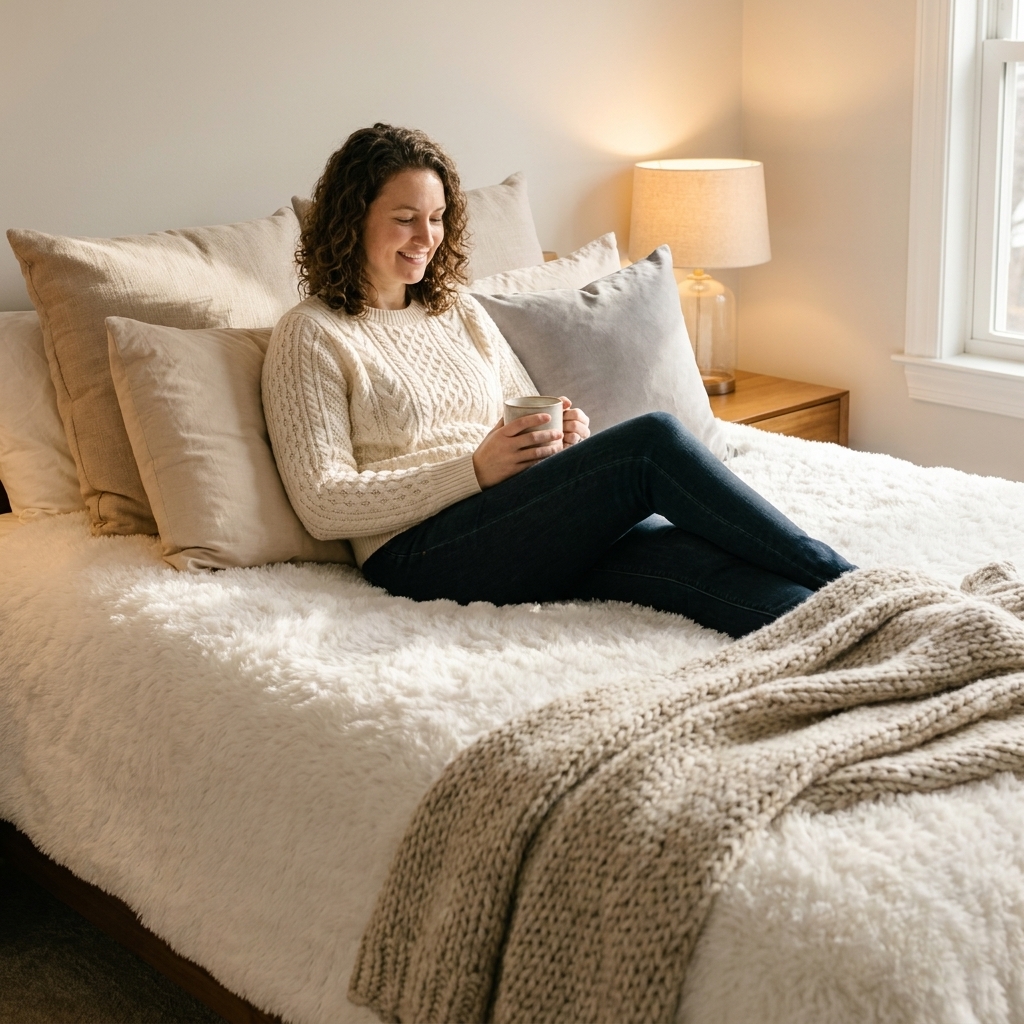
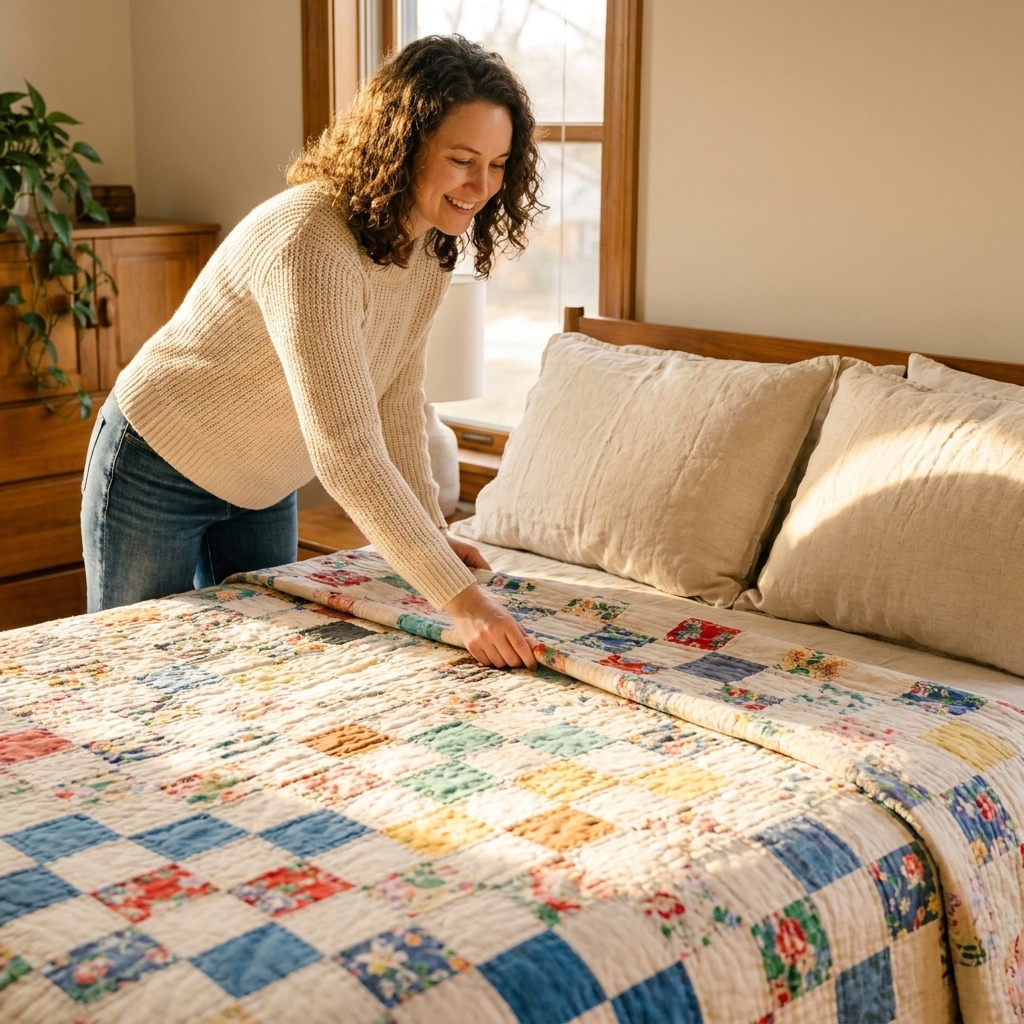
Quilts make a bedroom feel intentional. Even a very simple room looks styled the second you add a quilt with a little texture and stitch detail. They’re also my favorite in many small bedrooms because quilts have structure. They lay flatter and neater than a lofty comforter, which can visually overwhelm a tight space.
Why you might love a quilt
- Best for layering: Quilts play well with others. Add a duvet in winter, use the quilt alone in summer.
- Great for hot sleepers: Breathable cotton quilts are lightweight but still comforting.
- Instant character: Vintage quilts, kantha quilts, and patchwork styles add soul without adding clutter.
Quilt limitations
- Not always warm enough solo: If you live somewhere chilly or you sleep cold, you’ll likely need an extra blanket or duvet insert in winter.
- Some quilts are more decorative than practical: Delicate vintage pieces can require gentle washing or spot cleaning.
How I use quilts like a stylist
- Try the coverlet look: Use a quilt as your main top layer and keep a folded duvet or blanket in a basket for cold nights.
- Mix modern sheets with a vintage quilt: Crisp white sheets plus a faded floral quilt is peak cozy.
- Make it feel plush: Add a thin blanket under the quilt. It gives softness without bulk.
Which one should you choose?
If you want the easiest everyday bed
Pick a comforter. You will probably make your bed more often because it’s simple, and that alone can make your whole room feel calmer.
If you love switching up your look
Pick a duvet. One insert, multiple covers, endless moods.
If you run hot (or live somewhere warm)
Pick a quilt or a lightweight duvet insert with a breathable cotton or linen cover.
If you run cold (or your room gets drafty)
Pick a duvet with an all-season or winter-weight insert, or layer a quilt over a duvet for a cozy, anchored look.
If you have pets on the bed
Pick a duvet with a washable cover, or a quilt you can toss in the wash easily. Choose mid-tone colors and subtle patterns that forgive fur.
If your bedroom is tiny
Pick a quilt (or a less lofty comforter). Big puff can be beautiful, but it can also eat visual space. Quilts keep things tailored and calm.
Warmth, weight, and fill
Two beds can look equally fluffy and feel totally different at 2 a.m. Here’s what actually changes the warmth and comfort.
Fill types, simplified
- Down: Very warm for its weight, lofty, long-lasting. Pricier. If you’re allergy-prone, the bigger issue is often dust and dust mites (plus how often you wash and fully dry bedding), but some people still prefer to avoid down. An allergen-barrier cover and regular cleaning help either way.
- Down alternative: Usually polyester. Budget-friendly and allergy-friendly, but can trap heat and flatten faster depending on quality.
- Wool: Excellent temperature regulation. Cozy without feeling sweaty. Often pricier, but a great investment if you sleep hot and cold in the same night.
- Silk: Lightweight and breathable with a smooth drape. Not as puffy. Care varies a lot by construction: many silk-filled inserts are spot-clean and air-out only, while the cover is washable. Always check the manufacturer instructions.
- Cotton (quilts): Breathable, easygoing, and great for layering.
Fabric on the outside
- Percale cotton: Crisp, cool, and hotel-like.
- Sateen cotton: Smoother and a bit warmer, with a soft sheen.
- Linen: Airy, relaxed, and texture-rich. Wrinkles are part of the charm.
- Microfiber: Soft and affordable, but often less breathable.
Fit and sizing
Here’s the sneaky part: sizing is not as standardized as we all wish it were. A “queen” duvet insert from one brand can be wider (or shorter) than another, and “oversized queen” is a real thing. Before you buy, check the inch measurements for both the insert and the cover, especially if you’re mixing brands or buying secondhand.
My personal rule: if you want more drape on the sides, look for a wider piece, not just a different label. That usually means an oversized cut or moving up a size and matching it with the correct cover size, not forcing a too-large insert into a too-small cover.
Quality cues worth checking
You do not need a magnifying glass, but a few details can tell you if a piece will wear well.
- For duvets and comforters: Look for baffle-box construction (or at least sturdy box stitching) so the fill stays evenly distributed. If the label lists fill weight (ounces or grams), that is more useful than lofty marketing words.
- For duvet covers: Corner ties (or interior loops) are a small miracle. Also check closures: zippers are fast, buttons are charming, ties are romantic but can be fiddly.
- For quilts: Denser quilting usually holds up better over time and helps prevent the batting from shifting. If it’s cotton, pre-washed or pre-shrunk is a nice bonus.
- Thread count is not everything: A well-made percale at a moderate thread count can feel better and last longer than a flimsy high-count fabric.
Care and cleaning
My most practical advice is also the least glamorous: pick the option you will actually keep clean.
- Duvet: Wash the cover regularly. Wash the insert a few times per year (or as needed). If you have a small machine, consider two duvet covers so you’re not doing laundry at midnight.
- Comforter: Wash the whole comforter. Check if it’s truly machine-washable and whether you can dry it thoroughly at home.
- Quilt: Usually the easiest to wash and dry, especially cotton quilts. Vintage quilts may need gentle cycles and mild detergent to protect stitching.
A few care notes that save heartbreak:
- Down and down alternative: Dry thoroughly on low heat (damp fill can get musty). Dryer balls or clean tennis balls can help keep loft from clumping.
- Wool: Often best aired out and spot-cleaned. If it is washable, stick to the brand’s instructions and be careful with heat.
- Vintage quilts: Test for colorfastness first. If you see dye transfer or fragile seams, skip the aggressive wash and go gentle.
If you love the look of a big fluffy comforter but hate washing bulky items, that’s your sign to consider a duvet instead.
Looks in a room
Duvet look
Soft, lofty, modern-cozy. Perfect for neutral, layered bedrooms and that relaxed “lived-in luxury” vibe.
Comforter look
Classic, consistent, and polished. Great for traditional spaces, guest rooms, and coordinated sets that feel instantly complete.
Quilt look
Textural, tailored, and a little nostalgic in the best way. Ideal for cottage, vintage, farmhouse, or minimal rooms that need warmth without bulk.

Layering
You do not have to choose just one forever. Layering is where beds get that truly inviting, sink-right-in energy.
- Duvet + quilt: Put the duvet on as your main layer, then add a quilt on top for texture and a finished look. This also helps the bed feel less like a giant puffball and more styled.
- Quilt + blanket: Keep it breathable but cozy. Great for hot sleepers who still want weight.
- Comforter + cover: If you already own a comforter you love, slip a duvet cover over it for easier cleaning and a style refresh.
FAQ
Is a duvet warmer than a comforter?
It can be, but it depends on the insert or fill weight. Duvets often feel warmer because you can choose a winter-weight insert. Comforters range widely too, so check fill type and overall weight.
Do I need a top sheet?
You do not technically need one, but a top sheet can help keep your top layer cleaner, especially with comforters and quilts. If you love a simplified bed, a duvet cover plus fitted sheet is a totally valid setup.
What looks best: duvet or quilt?
If you want fluffy and relaxed, go duvet. If you want tailored and textured, go quilt. If you want styled but still cozy, layer a quilt over a duvet.
What is best for allergies?
A duvet with a washable cover is great because you can launder the cover often. For inserts, many people do well with down alternative or wool, but sensitivity varies. The most important part is keeping bedding clean and fully dry, and using an allergen-barrier cover if you need it.
My final nudge
If you are stuck between two options, pick based on your daily routine, not the perfect-photo fantasy. If you want effortless, go comforter. If you want flexibility and a high-end look, go duvet. If you want character, texture, and easy layering, go quilt.
And if you can only change one thing this week, change the top layer. It’s the fastest way to make your bedroom feel like a proper little retreat, even if the laundry is still sitting in a basket. I see you.