Sheets are one of those “small” choices that quietly run your whole bedroom. They touch your skin for a big chunk of every night, they set the tone for the bed visually, and they can make you sleep like a dream or toss like you are camping in a scratchy sleeping bag.
If you’re stuck between linen, percale, and sateen, you’re not alone. All three can be wonderful. They just behave differently depending on your temperature, how you like your bed to feel, and whether wrinkles make you feel relaxed or mildly personally offended.
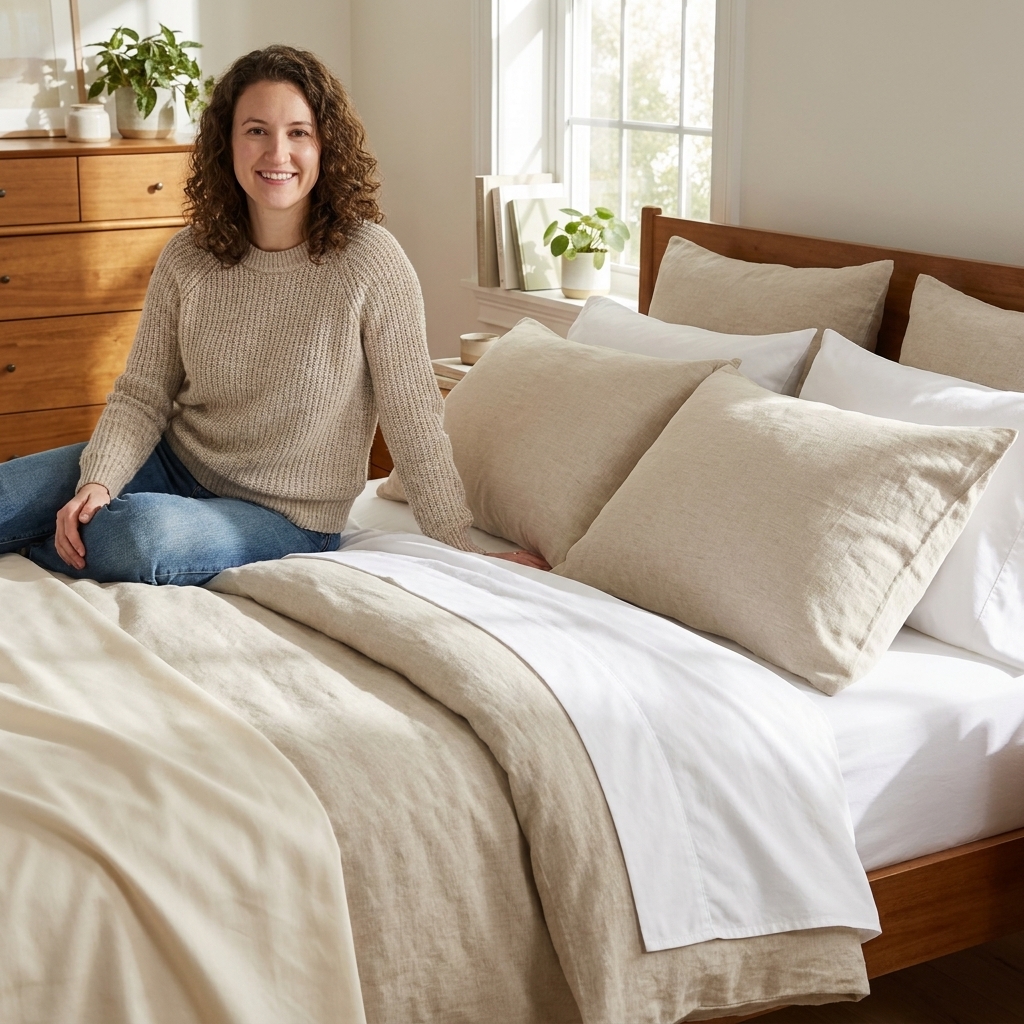
Quick comparison
| Type | Feel | Temp | Wrinkles | Care |
|---|---|---|---|---|
| Linen | Airy, textured, relaxed | Great at regulating | Yes, always | Easy, gets softer over time |
| Percale | Crisp, cool, matte | Often coolest | Some | Easy, looks freshly washed |
| Sateen | Smooth, drapey, subtle sheen | Often warmer | Less obvious | Gentle wash, avoid snags |
One important detail: percale and sateen are weaves (most often made with cotton), while linen is a fiber (made from flax). So percale and sateen can vary a lot depending on the cotton quality, fabric weight, and finishing.
Linen sheets
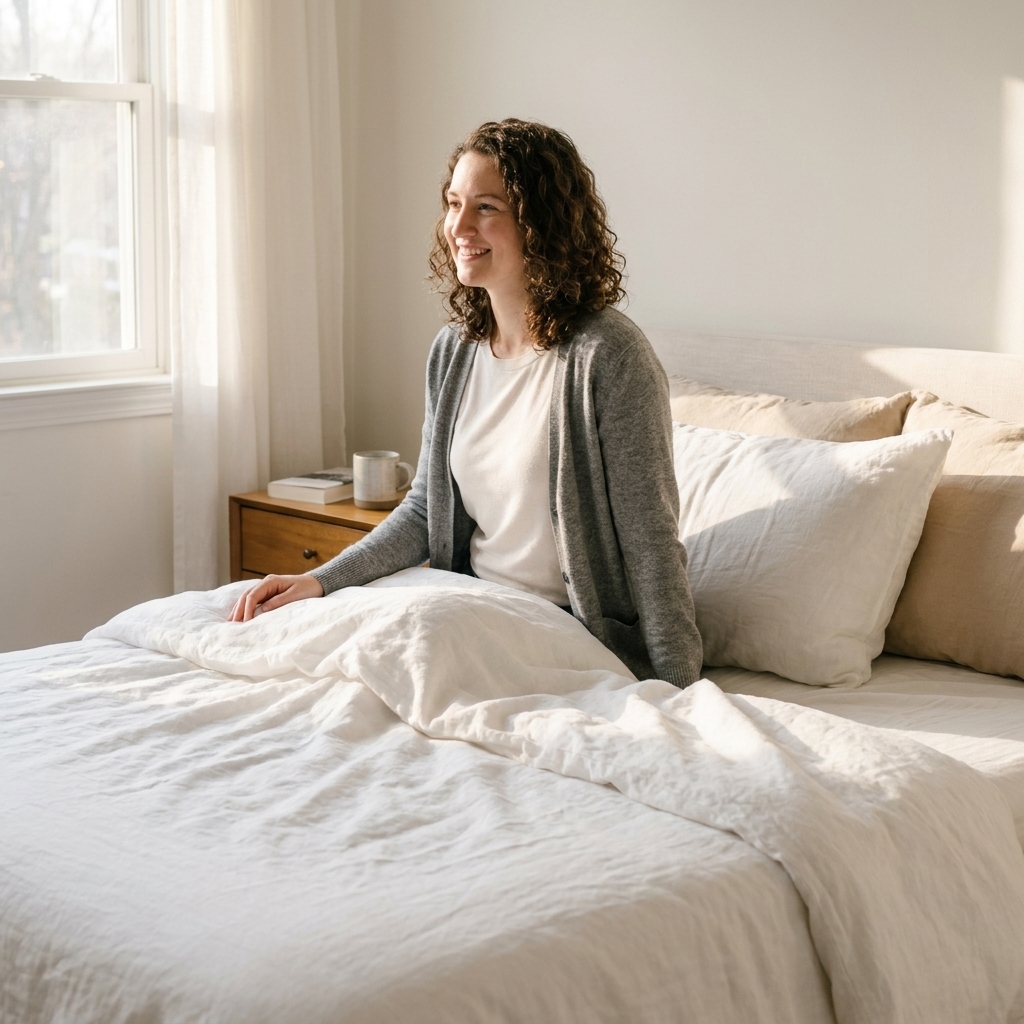
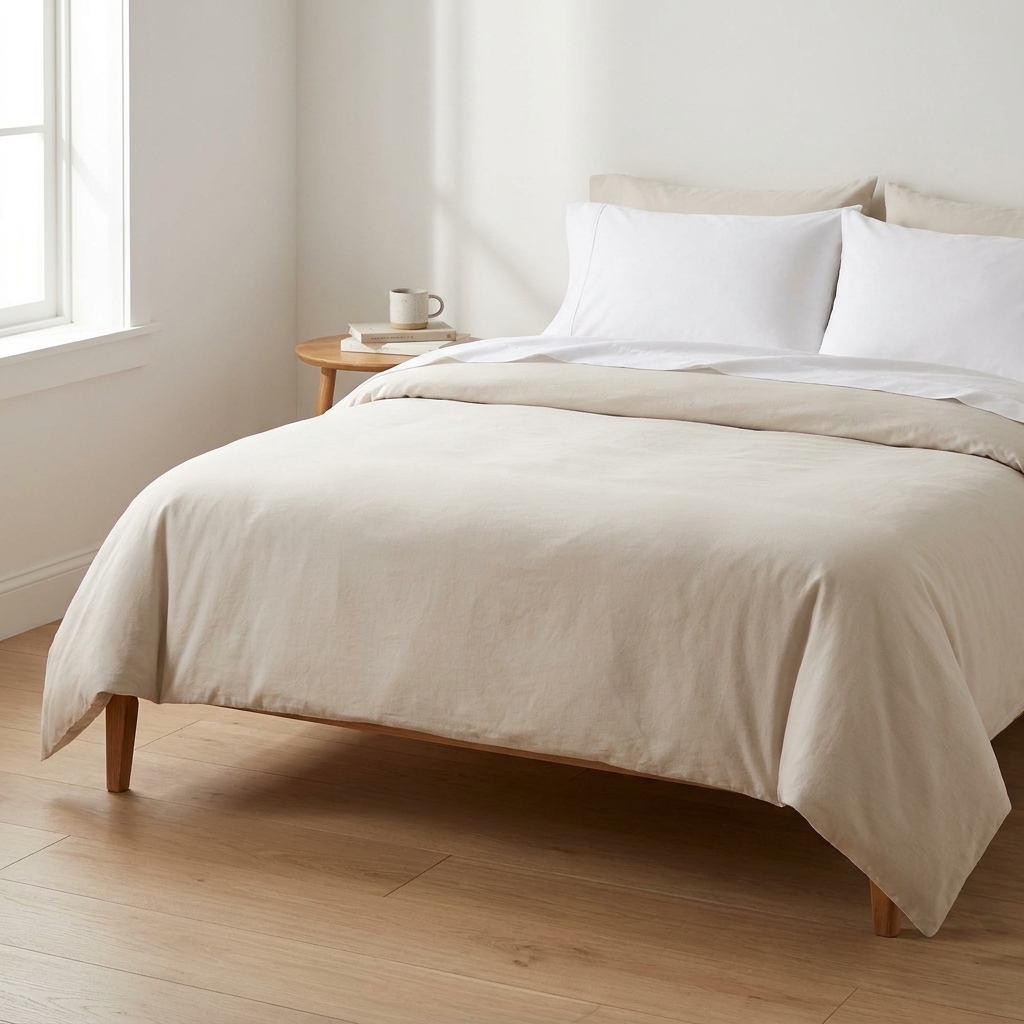
Linen is my go-to when I want the bed to look inviting even when life is messy. It has that softly rumpled, lived-in texture that makes a room feel warmer and more personal.
How linen feels
Expect a lightly textured feel that is never slippery. Good linen has a dry, breathable hand-feel. It can feel a little crisp or “nubby” at first, then it breaks in quickly and becomes buttery in a casual way, like your favorite washed tee.
Temperature and breathability
Linen is famous for being great for hot sleepers, but what I love is that it is temperature regulating. It breathes well in summer and does not feel clammy, yet it can still feel cozy in cooler months, especially layered with a quilt or duvet.
Wrinkles and maintenance
Linen wrinkles by design. If you want a pristine, perfectly smooth bed, linen may annoy you. If you want the bed to look like a boutique hotel in a coastal town, linen will make you very happy.
Best for
- Hot sleepers and anyone who wakes up sweaty
- People who love a relaxed, textured bed styling
- Rooms with natural materials: wood, rattan, vintage pieces, warm neutrals
- Anyone willing to let sheets get better with age

Percale sheets
Percale is what I recommend when someone says: “I just want my bed to feel clean and cool.” It is also the easiest vibe to style if you love a tidy, minimal look.
What percale means
Percale is a plain weave that creates a matte finish and that signature crispness. Most percale sheets are cotton, but you will also see cotton blends.
How percale feels
Think cool to the touch, lightly structured, and not clingy. Percale is not typically shiny or drapey. It is more “tailored button-down shirt” than “silky robe.”
Temperature and breathability
Percale is a star for warm sleepers and for anyone who likes to feel airflow around their legs. It often sleeps cooler than sateen, but warmth is not just about weave. Yarn thickness, fabric weight, and finishing all matter too.
Wrinkles and maintenance
Percale can wrinkle, but it usually looks more “freshly laundered” than “romantic rumpled.” If wrinkles bother you, pull sheets from the dryer promptly, shake them out, and make the bed right away.
Best for
- Hot sleepers who want that cool, crisp feel
- Fans of classic white bedding and hotel vibes
- Minimal, modern, or traditional bedrooms
- People who do not want fabric clinging or draping
Sateen sheets
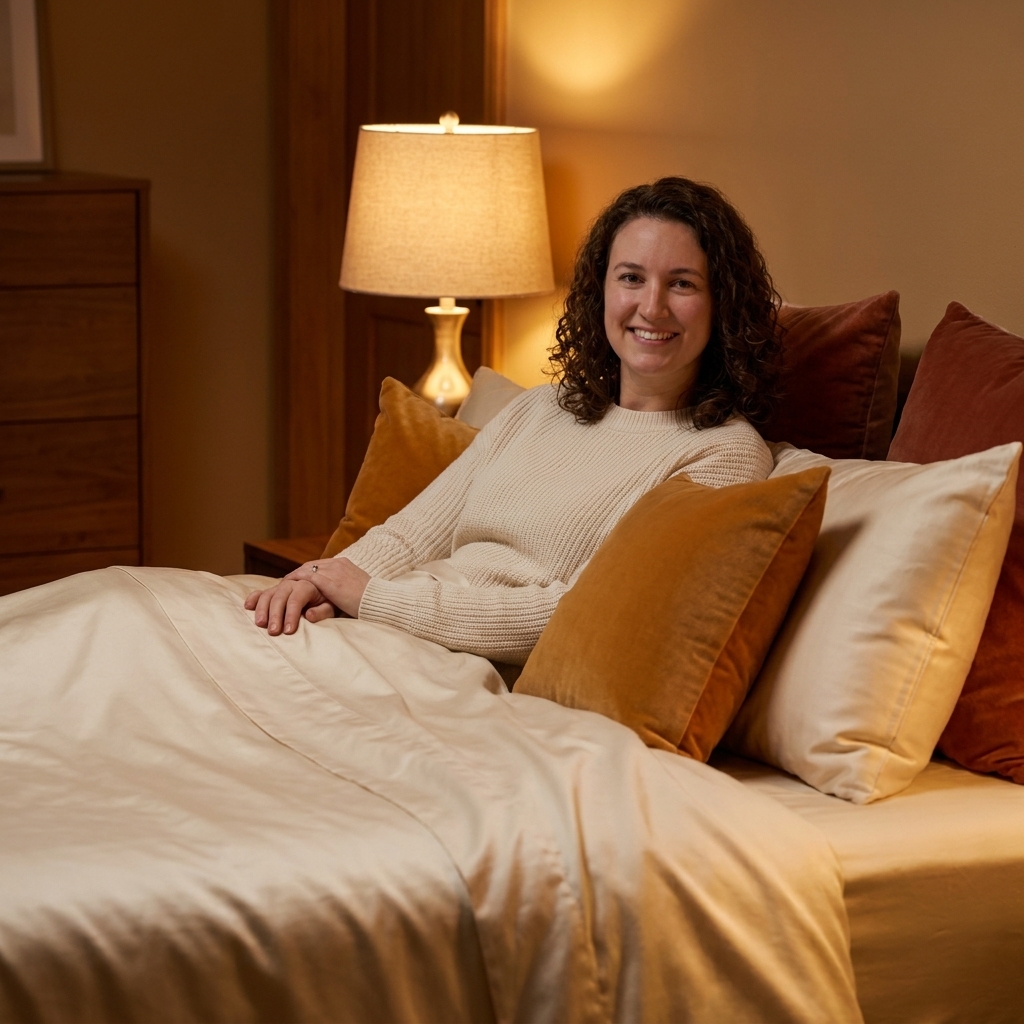
Sateen is my pick when someone wants their bed to feel like a soft landing. If you love a sheet that glides when you roll over, sateen is the closest thing to that “ahhh” feeling without going full silk.
What sateen means
Sateen is a satin-style weave (usually cotton) that uses more yarns on the surface. That is what creates the subtle sheen and smoother feel.
How sateen feels
Sateen feels silky and drapey. It has more weight than percale, and it tends to look a bit richer on the bed because of that gentle glow.
Temperature and warmth
Sateen often sleeps slightly warmer than percale. Not necessarily hot, just cozier. If you’re a cold sleeper or your room runs chilly, sateen can be a game changer.
Wrinkles and durability
Sateen tends to look smoother out of the dryer than percale, but it can be more prone to snagging and pilling if the cotton is lower quality or if it is washed with rough items (think jeans, towels, or anything with zippers). High-quality, long-staple cotton sateen can be very durable, so it is not a “delicate” choice by default.
Best for
- Cold sleepers or anyone who wants extra cozy softness
- People who love a polished, slightly glowy bed look
- Glam, modern, or romantic bedroom styles
- Anyone who hates that crisp “paper-like” feel
Choose by sleep style
If you sleep hot
- Best bet: Percale
- Also great: Linen
- Be cautious: Sateen, especially in warmer months or if you already overheat
If you sleep cold
- Best bet: Sateen
- Also great: Linen (especially with a warmer top layer)
- May feel too cool: Percale in winter
If you want “crispy clean” sheets
- Go for: Percale
If you want soft, drapey, snuggle-in sheets
- Go for: Sateen
If you want that relaxed, styled, boutique look
- Go for: Linen
Choose by bedroom vibe
Because yes, sheets are part of your decor. They are basically the biggest textile in the room.
Natural and earthy
Linen plays beautifully with wood tones, woven baskets, vintage nightstands, and warm lighting. Choose oatmeal, clay, sage, soft white, or dusty blue for that calm, collected look.
Minimal and classic
Percale keeps everything looking sharp. Crisp whites, soft grays, and thin black piping feel intentional without trying too hard.
Romantic and elevated
Sateen adds instant softness visually because it drapes and catches light. It looks amazing with velvet pillows, brass lamps, and deeper paint colors like moody green or inky navy.
What to check on the label
Cotton type matters
- Long-staple or extra-long-staple cotton: generally smoother, stronger, and more resistant to pilling.
- 100% cotton: breathable and classic. Blends can be durable, but they may trap heat more depending on the fiber.
Thread count: helpful, not magic
Thread count is often used as a selling point, but it is not a guarantee of comfort. As a rough guide for common, single-ply cotton sheets:
- Percale: often feels great in the 200 to 400 range.
- Sateen: often lands around 300 to 600.
A quick reality check: very high thread counts can be inflated with multi-ply yarns. If a set is shouting “1,000 thread count!” but feels heavy, traps heat, or pills quickly, that number did not do you any favors.
Linen weight
Linen is often described by GSM (grams per square meter) or just by “lightweight” vs “heavyweight.” You will occasionally see linen thread count too, but GSM and overall weight tend to be more useful for predicting how it will feel.
- Lower GSM: lighter, airier, great for hot sleepers.
- Mid to higher GSM: more substantial and cozy.
Certifications and finishes
If you have sensitive skin, look for reputable standards like OEKO-TEX Standard 100 or GOTS (for certified organic fibers), and avoid heavy fragrance or “wrinkle-free” finishes if they irritate you. Pre-washed linen is often softer right out of the package.
Fit: deep pockets and shrinkage
Before you fall in love with any fabric, check fit. If you have a tall mattress or a thick topper, look for deep-pocket fitted sheets and confirm the pocket depth in inches. Also expect a little change after washing: cotton and linen can shrink slightly (especially on high heat), then relax with use. When in doubt, skip hot water and high dryer heat.
Care tips
Linen
- Wash cool to warm on gentle, avoid heavy detergent overload.
- Tumble dry low or line dry if you can, then put on the bed slightly warm for that relaxed softness.
- Do not fight wrinkles. Smooth with your hands and let them be part of the charm.
Percale
- Wash warm or cool. Hot water can wear fibers faster over time.
- Pull from the dryer promptly and give a strong shake before making the bed.
- If you love an extra crisp look, iron pillowcases only. That is the highest impact for the least effort.
Sateen
- Wash inside out on gentle to protect the surface yarns.
- Avoid washing with towels, denim, or items with zippers.
- Skip high heat. Low and slow helps prevent pilling and keeps the sheen looking smooth.
If you’re torn
If you’re genuinely stuck, here is how I would choose for friends:
- You run hot but want a cozy look: choose linen in a soft neutral and add a lightweight quilt for texture.
- You want the cleanest feel possible: choose percale in white and invest in a great mattress protector so everything stays fresh.
- You want soft sheets right now, not after ten washes: choose sateen in a creamy tone and keep it away from rough laundry loads.
- You want one set for year-round: linen is the most flexible across seasons for many people, especially if you like layering.
And one practical note on budget: linen is usually the priciest upfront, but it can be a great value if you love the look and plan to keep it for years. Percale tends to be the easiest sweet spot for price, durability, and cool sleep. Sateen can range from affordable to truly luxe, and the quality of the cotton matters a lot.
FAQ
Is sateen the same as satin?
Not exactly. Satin refers to a weave, and it can be made from many fibers (silk, polyester, nylon, and more). Sateen is a satin-style weave that is typically cotton, which is why it feels cozy and breathable compared with most synthetic satins.
Do linen sheets feel scratchy?
They can feel a bit textured at first, especially if they are not pre-washed. Most linen softens noticeably after a few washes and becomes very comfortable.
Which sheets are best for night sweats?
Percale and linen are typically the best picks because they breathe well and feel less clingy. Pair them with a lightweight duvet insert or a breathable blanket to avoid trapping heat.
Which sheets look the most luxury on the bed?
Visually, sateen reads the most polished because of its drape and sheen. Linen reads “designer cozy,” and percale reads “fresh, tailored, and classic.”