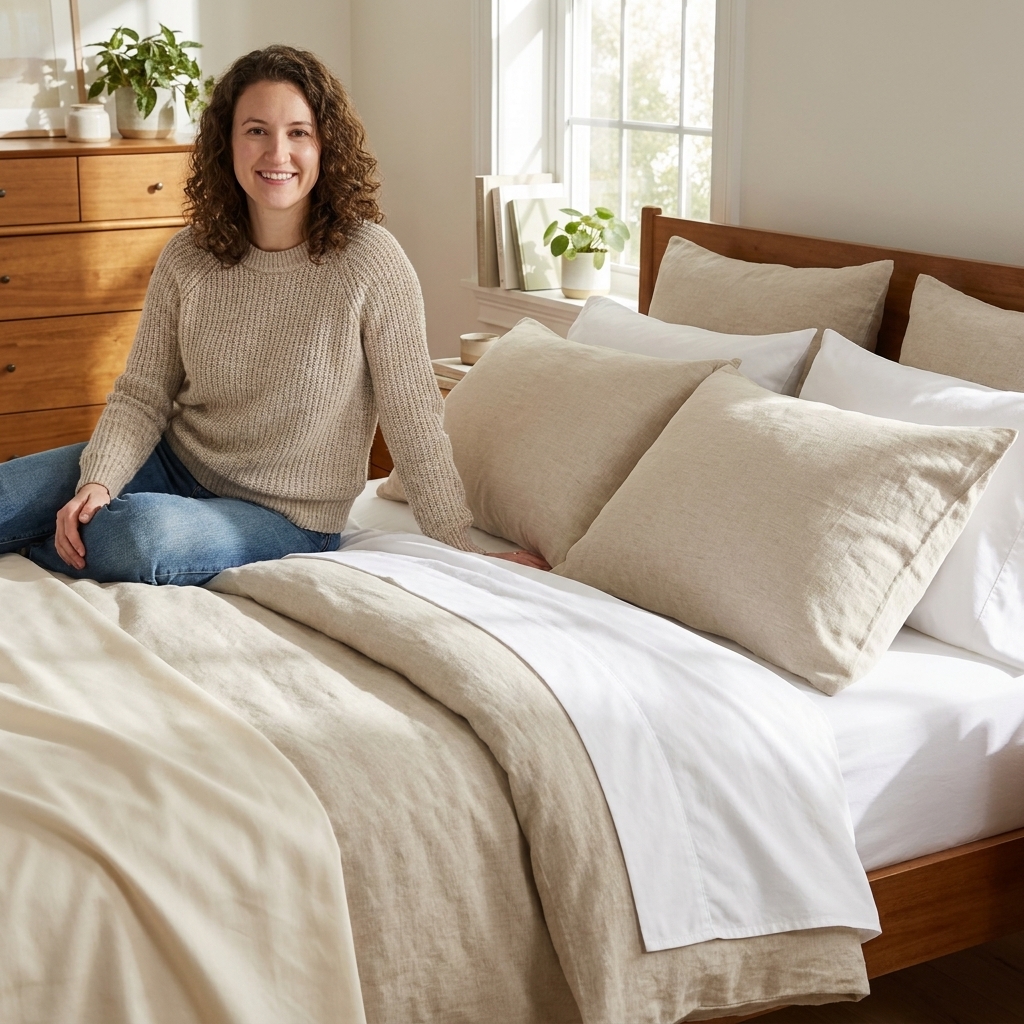
The first cold night that makes you do the little shiver-walk to bed is your sign: it is time for a winter bedding swap. The goal is not to pile on everything you own until you cannot move. The goal is smart layers that trap warmth, feel amazing against your skin, and still look pulled together in the morning.
My favorite trio for winter is simple and genuinely effective: flannel for that warm-on-contact feeling, velvet for plush coziness, and chunky knits for the finishing touch that makes your bed look inviting. Here is how to layer them so your bed feels like a warm hug, not an all-night wrestling match.

The winter layering formula
Think of your bed like a winter outfit. You want a base layer that feels good on skin, a middle layer that holds heat, and a top layer that adds texture and lets you adjust easily at 2 a.m.
- Base layer (skin contact): Flannel sheets, or a cotton jersey fitted sheet with a flannel top sheet if you want less fuzz against your legs.
- Insulating layer (heat trap): A duvet insert or a warm blanket layer. This is where most of your actual warmth is built.
- Finish layer (style + extra cozy): Velvet quilt or coverlet, then a chunky knit throw at the foot for that cozy, collected look.
If you run warm, keep the insert medium and let the velvet and knits do more of the visual work. If you run cold, upgrade the insert and add one thin blanket between sheets and duvet instead of stacking heavy toppers that slip around.
Flannel first
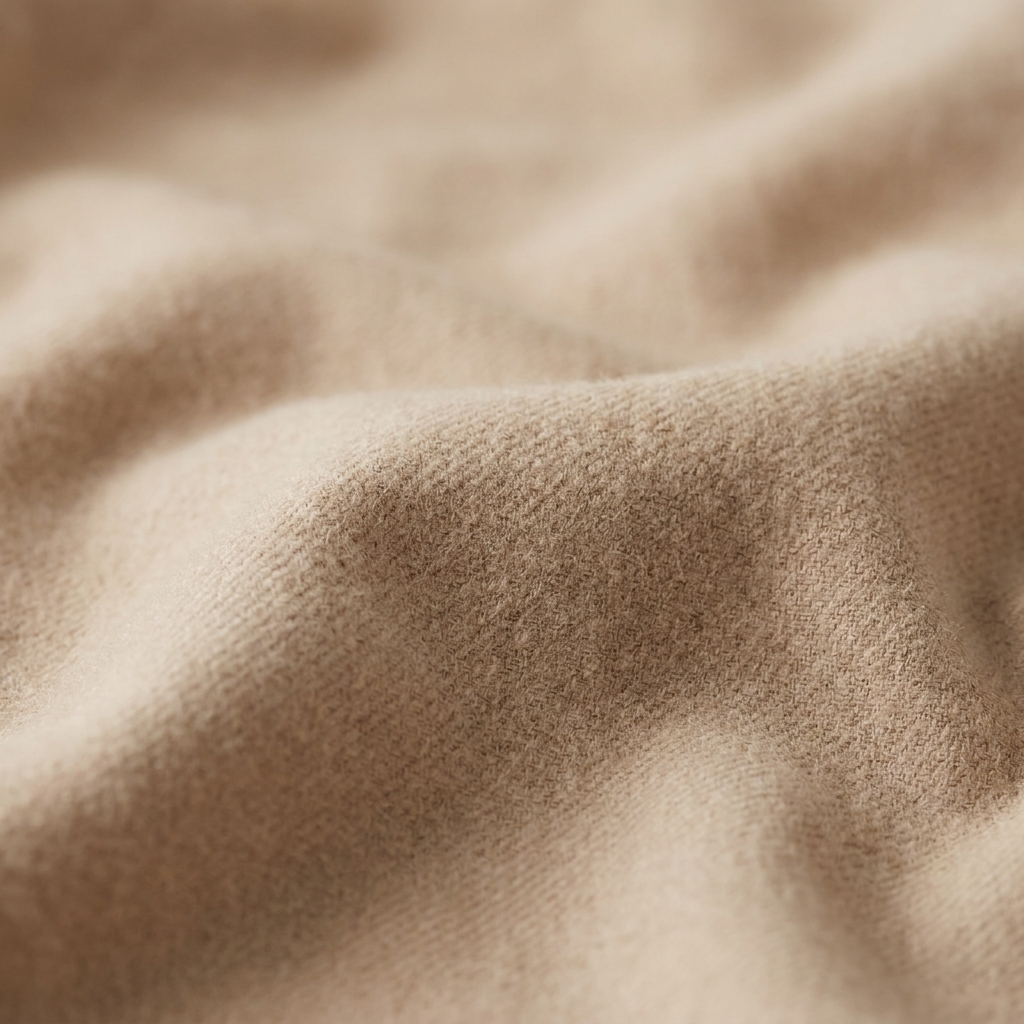
If you only make one winter swap, make it your sheets. Flannel is brushed to create tiny fibers that trap air, which can reduce that icy first-touch feeling when you climb into bed.
How to choose flannel
- Look for 100 percent cotton flannel for breathability. Blends can be great too, but they can also feel slick or trap heat differently depending on the fabric mix.
- Check the weight if it is listed. Heavier flannel often feels warmer, but durability also depends on overall fabric quality and finishing.
- Feel the brush if you can. You want soft, not scratchy. Thrift stores can be surprisingly good for broken-in flannel that already feels buttery.
Make flannel feel grown-up
Flannel does not have to scream holiday cabin. Try solid colors like cream, oatmeal, charcoal, or dusty blue. If you love plaid, go for a muted tartan and keep the rest of your bedding simple so it reads cozy, not costume.
Velvet on top
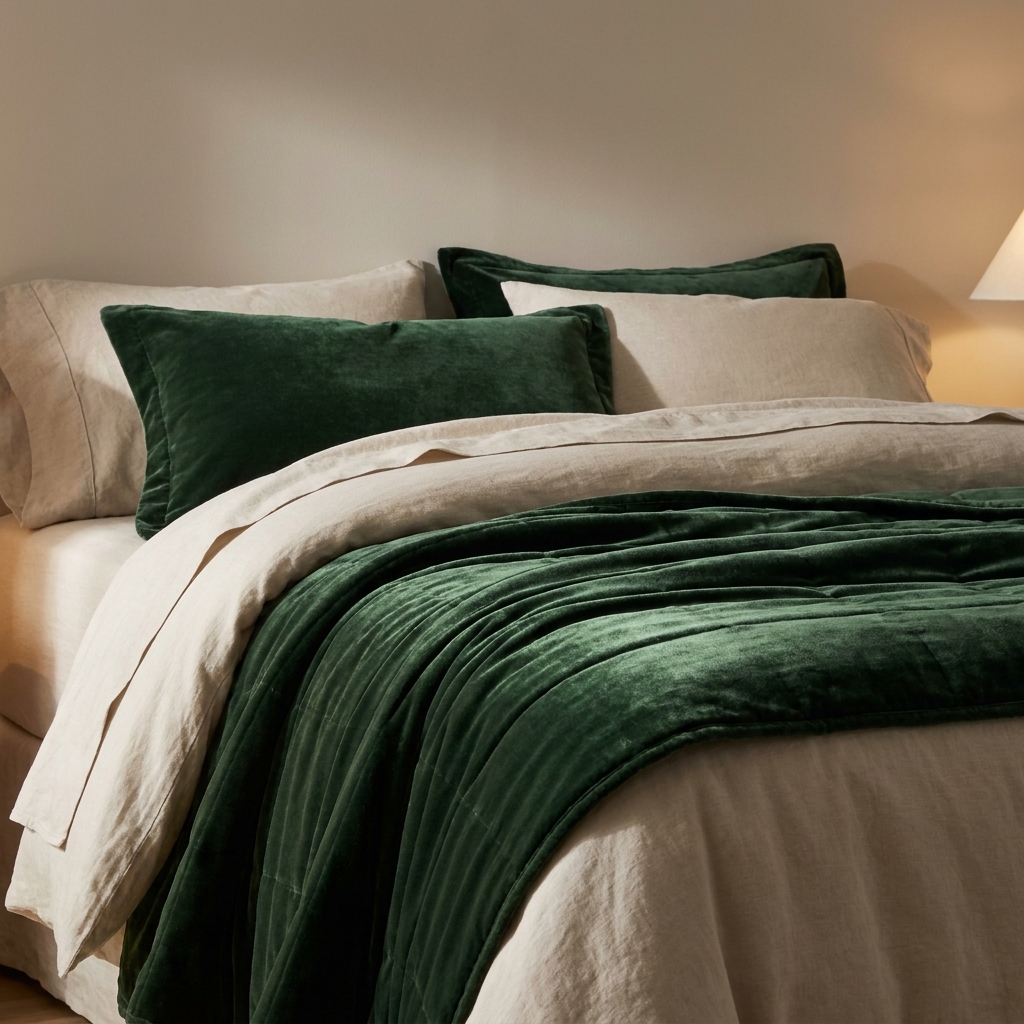
Velvet is my secret weapon for winter beds, especially in small bedrooms where a huge comforter can look like it is swallowing the room. Velvet adds depth, a warmer-to-the-touch finish, and it drapes beautifully. Just remember: the velvet layer is the polish. The insert or blanket underneath is what determines most of the heat.
Where velvet works best
- Velvet quilt or coverlet: Perfect as a top layer over a duvet, or as the main blanket in milder winters.
- Velvet duvet cover: Ultra cozy, but it is higher commitment because you will wash it more often.
- Velvet accent pillow(s): If you want the look without the laundry, this is the easiest entry point.
Keep velvet looking luxe
- Choose performance velvet if you have pets or hate fuss. It tends to resist crushing and can be easier to live with, though pet hair can still cling depending on the fiber.
- Stick to deeper shades for that glowy winter feel: forest green, warm rust, ink navy, chocolate, or aubergine.
- Balance the sheen with matte textures like flannel, linen, brushed cotton, or a knit throw.
Chunky knits
Chunky knit throws are the winter equivalent of a candle that is already lit. They instantly make the bed look inviting, and they are functional for movie nights or early mornings when you are not ready to leave your warm nest.
How to use knits neatly
- Fold, do not fling. A simple long fold at the foot of the bed looks tidy and helps stop the knit from stretching out.
- Keep it off your face. Chunky knits can shed fibers and feel too warm as a full-body blanket. Use them as a top layer you can pull up to your waist.
- Choose the right fiber. Wool and wool blends are usually the warmest. Acrylic is budget-friendly and often easier to wash. Cotton knits are great if you overheat.
My favorite look is a chunky knit in a creamy neutral paired with a darker velvet layer. It gives you contrast that feels rich, even if the throw came from a thrifted basket for eight bucks.

3 layer combos
If you run cold
- Flannel sheets
- Thin wool blanket (between sheets and duvet)
- Warm duvet insert
- Velvet quilt on top
- Chunky knit throw at the foot
If you overheat but hate cold sheets
- Flannel fitted sheet + percale (or smooth cotton) top sheet
- Medium duvet insert
- Lightweight velvet coverlet for a cozy finish
- Cotton chunky knit throw (more breathable)
If you share a bed with a human space heater
- Flannel sheets for you, but keep the duvet breathable
- Two adjustable layers: a duvet + velvet quilt
- Add an extra throw on your side only (knit or fleece)
Pro tip from years of rental living: if your partner hates “too many layers,” keep the bed looking minimal by using one beautiful top layer (velvet quilt), then hide your extra warmth in a thin blanket under the duvet where no one has to see it.
Small upgrades
Swap your pillow covers
Winter is the season for texture. Mix one velvet pillow with one brushed cotton or flannel lumbar. Keep colors in the same family so it feels calm, not chaotic.
Try a bed skirt alternative
If you hate bed skirts, try a thicker fitted sheet in a darker color or a simple upholstered-look wrap (no permanent changes needed). Visually, it grounds the bed and makes everything feel warmer.
Use lighting to sell the coziness
The best winter bedding can still look flat under harsh overhead lighting. Add a warm bulb in your bedside lamp (look for a warm, amber-leaning tone) and your velvet and knits suddenly look richer and more dimensional.

How to pick a duvet insert
If you have ever bought a duvet insert that looked fluffy but somehow slept cold, this is for you. Inserts are where most of your warmth lives, so match yours to your sleep style.
- Down vs. down-alternative: Down is light for its warmth. Down-alternative is often easier for allergies and frequent washing, and it can still be very warm.
- Fill power and weight: Higher fill power (common in down) usually means more loft and warmth for less weight. For down-alternative, pay attention to the overall weight and thickness.
- Warmth ratings: Some brands list tog or a “light, all-season, extra warm” scale. If you run cold, go warmer and use a breathable cover. If you run hot, choose all-season and rely on velvet and throws for that cozy look.
If allergies are a concern, look for hypoallergenic down-alternative, washable covers, and tighter weaves that help keep dust and dander in check. If you have pets, darker velvet and knits will show less, but keep a lint roller nearby and do not be shocked if the chunky throw becomes the official nap spot.
Care tips
Flannel
- Wash in cool to warm water and avoid overly hot drying to help reduce pilling.
- Skip fabric softener if you can. It can leave residue and reduce breathability over time.
Velvet
- Follow the tag, always. Many modern velvets are washable, but heat is the enemy.
- Air dry or use low heat, then smooth with your hand in the direction of the nap.
- Use a lint roller gently, especially on darker colors.
Chunky knits
- If it is wool, consider spot cleaning and occasional gentle washes only.
- Dry flat to keep the throw from stretching.
If you are building your winter bed on a budget, prioritize pieces you will use daily (sheets and duvet insert). Then thrift or splurge slowly on the top layers that make the room feel special.
Quick checklist
- Flannel sheets on the bed
- Duvet insert matched to your sleep temperature
- One plush top layer (velvet quilt or coverlet)
- One chunky knit throw for the foot of the bed
- Two to four pillows max in mixed textures
- Warm bedside lighting
Once you get your layering right, winter nights become something you look forward to, not something you endure. And if you catch yourself climbing into bed an hour early with chamomile tea and a mystery novel, just know you are in excellent company.