If you have a large master bedroom, congratulations and also… welcome to the weirdest decorating problem: too much space can feel just as tricky as too little. An oversized room can read as echoey, awkward, and unfinished even when you have “enough” furniture.
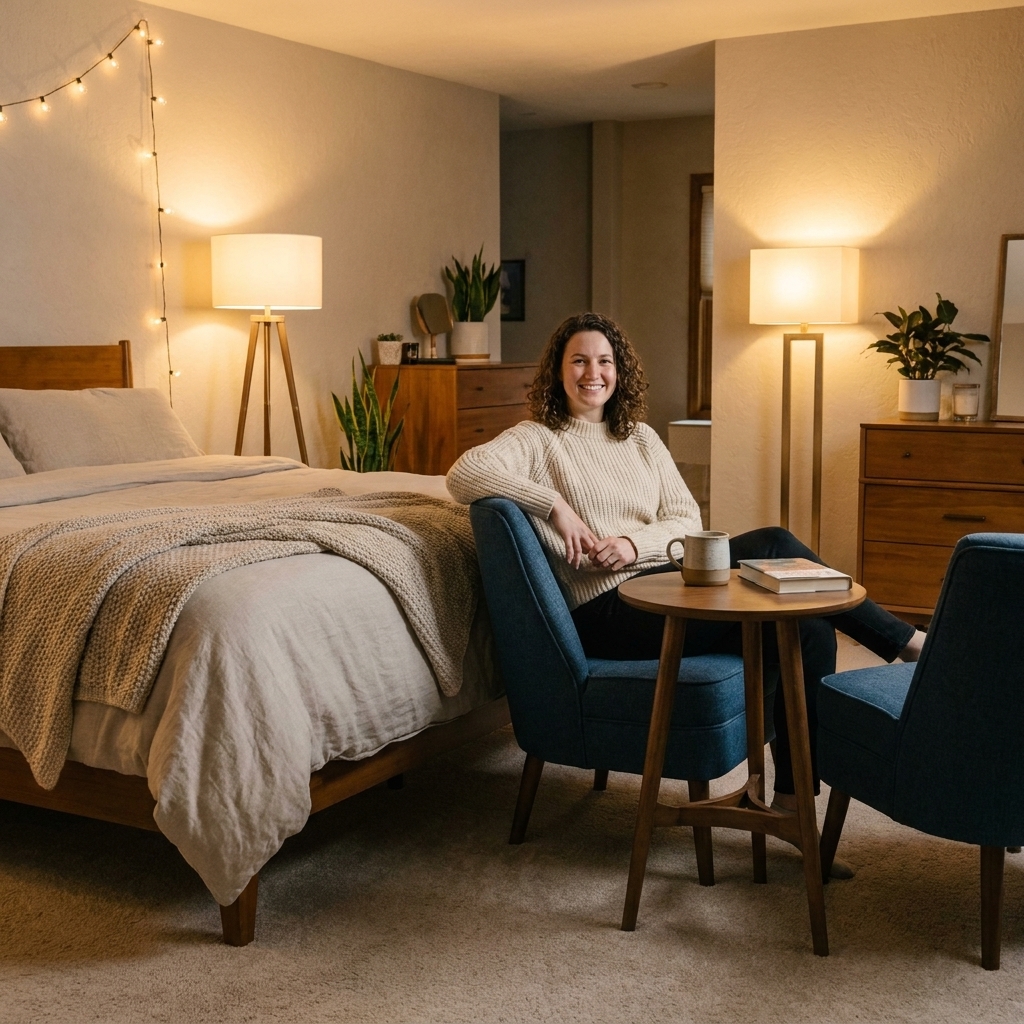
The fix is zoning. Think of your bedroom like a cozy little boutique hotel suite: a sleep area, a lounge area, a getting-ready area, maybe even a reading nook. When each area has a purpose (and its own little visual boundary), the whole room can feel more intentional, luxurious, and calm.
Start with the room’s “why”
Before you move a single nightstand, ask one question: How do you want to live in this room besides sleeping? Your answer tells you which areas you actually need.
- Do you drink coffee or tea in bed? Add a lounge area with comfortable seating.
- Do you do skincare, hair, or makeup daily? Prioritize a vanity setup with great lighting.
- Do you hate visual clutter? Create a dressing setup with closed storage and a landing spot for tomorrow’s outfit.
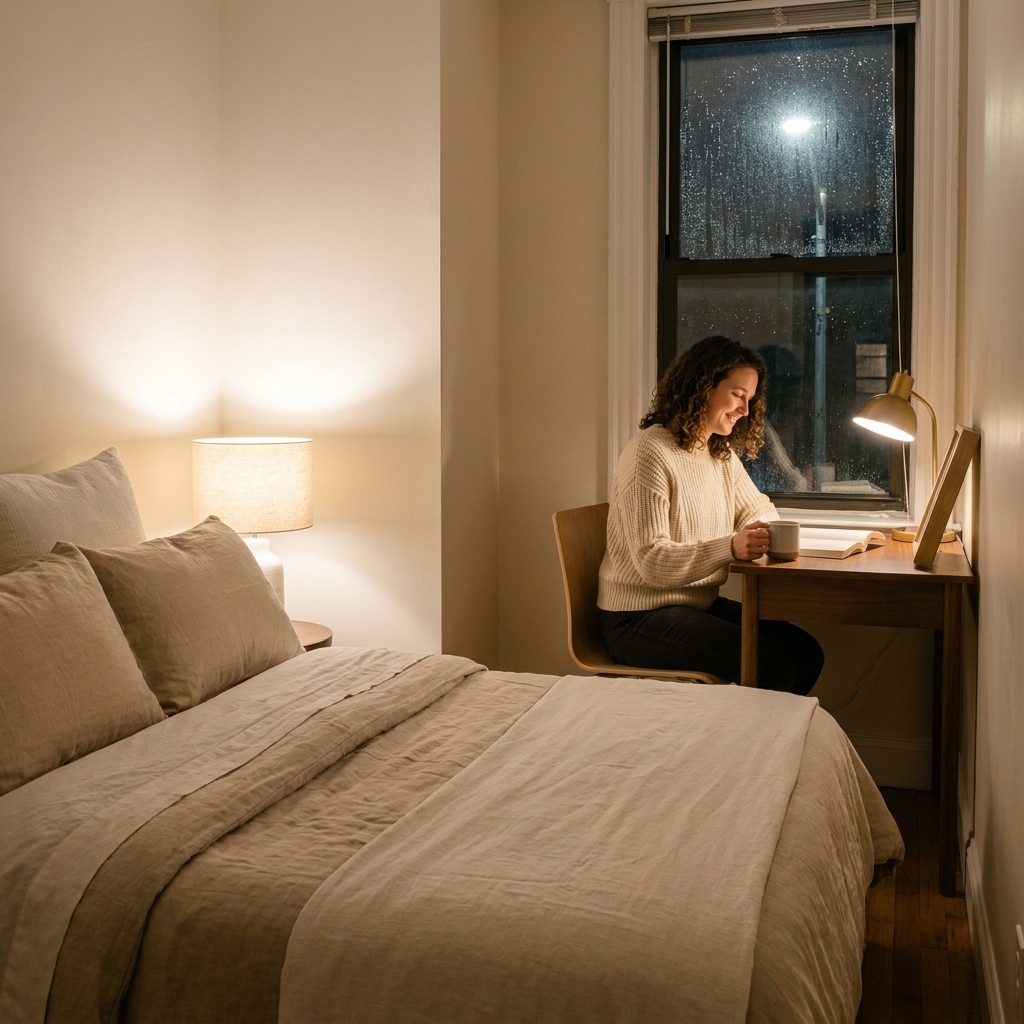
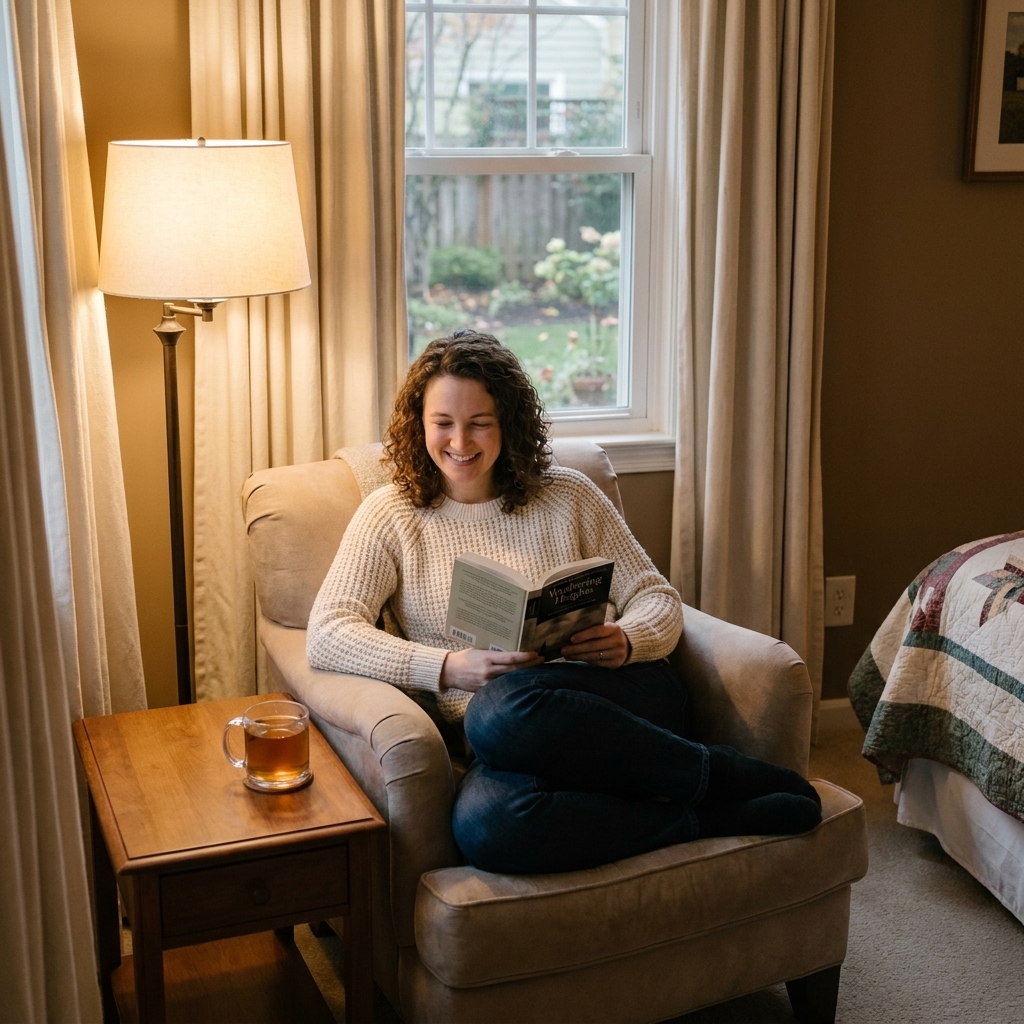
- Do you read every night? Add a reading corner with a proper lamp and a soft throw.
- Do you WFH sometimes? Consider a tiny desk setup, but keep it visually quiet.
You do not need every area. You need the ones that support your routines.
My 5 zoning rules
1) Anchor each area with one “big decision”
Every area needs a main character: a rug, a pair of chairs, a dresser wall, a vanity table. Start with that, then add supporting pieces.
2) Use rugs as invisible walls
Rugs are the easiest, most renter-friendly way to draw boundaries. If your bedroom is huge and your rug is tiny, everything floats. Go bigger than you think.
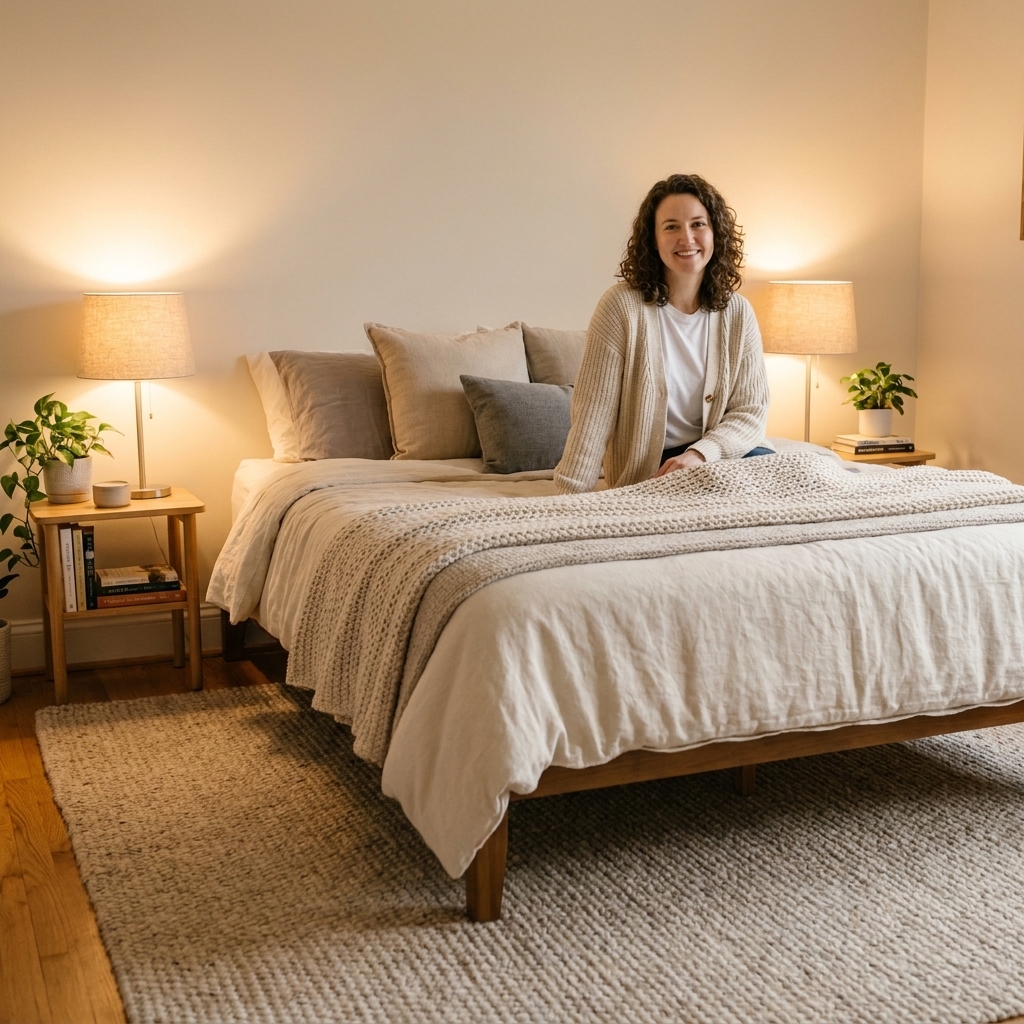
- Sleep area: As a starting point, choose a rug that extends about 18 to 24 inches beyond the sides and foot of the bed (many queen rooms land on an 8x10, many king rooms land on a 9x12, but your layout decides).
- Seating area: A separate rug where at least the front legs of chairs sit on it.
- Vanity area: A small, low-pile rug (so the chair rolls or scoots easily).
3) Create pathways on purpose
The room will feel calmer when walking routes are clear. If you can, aim for about 30 to 36 inches for main walkways, and avoid placing furniture so you have to zigzag around it to reach the closet or bathroom.
4) Repeat materials across areas
To keep everything cohesive, repeat two or three elements throughout: the same wood tone, the same metal finish, or a consistent textile vibe (linen, boucle, wool, velvet). This is what makes zoning feel luxurious instead of like you dragged in spare furniture.
5) Light each area separately
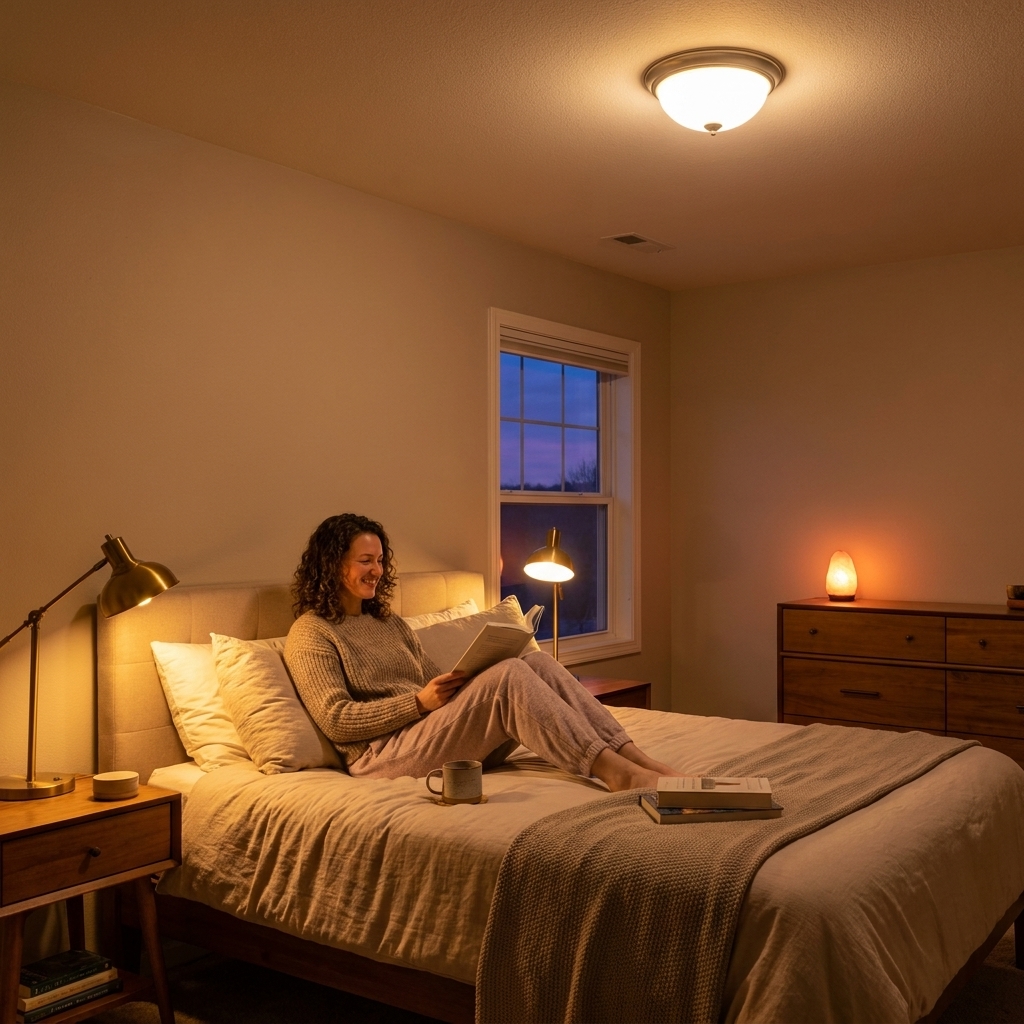
One overhead light in the center of a big room can feel a little sad. You want pools of light.
- Bedside lamps or sconces for the sleep area
- A floor lamp or table lamp near seating
- Bright, flattering light at the vanity
Area 1: Sleep
Your bed placement sets the tone for the whole layout. In most large bedrooms, the bed looks best centered on a strong wall, then the rest of the room is built around it.
Make the bed feel substantial
- Upgrade scale: A taller headboard, a wider headboard, or a headboard plus wall panels makes the bed feel appropriately sized for the room.
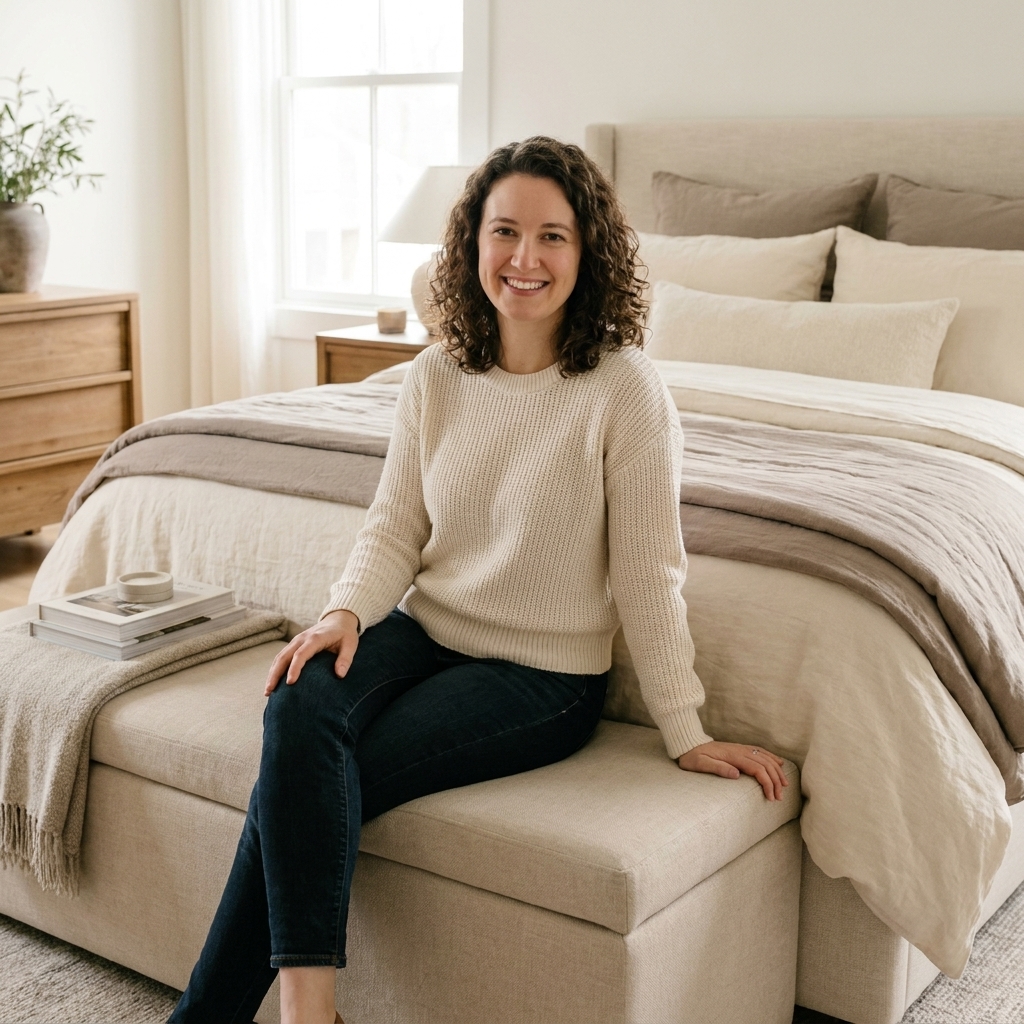
- Add weight at the foot: A bench, storage ottoman, or upholstered trunk helps the bed hold its own in a big space.
- Layer generously: Bigger rooms can handle thicker duvets, oversized pillows, and a throw at the foot without feeling crowded.
Nightstands that fit
If your nightstands look tiny, the whole room reads unfinished. In a large bedroom, slightly wider nightstands (or even small dressers) feel grounded and give you the surface area you actually want.
One quick scale cheat: nightstands usually look best when the top is close to mattress height (or slightly above), so reaching for a book or water does not feel awkward.
Area 2: Seating
A seating area is my favorite way to make a large master bedroom feel like a suite. It also prevents the classic problem where the bed is the only place to sit, lounge, read, or scroll.
Best layouts for big rooms
- Two chairs + small table: Great for conversation and morning coffee. Looks instantly intentional.
- Chaise lounge: Perfect if you want something more sculptural and relaxed.
- Loveseat: Works well if you have extra wall length and want a cozy hotel vibe.
- Window bench: Gorgeous under a large window and amazing for softening the room.
Where to place it
Try one of these placements, depending on your room shape:
- At the foot of the bed (offset): If your room is extra deep, add two chairs beyond the bench with a rug to define the setup.
- Near windows: Natural light makes the area feel inviting and purposeful.
- Opposite the bed: Ideal if you have a fireplace, media console, or art wall you want to enjoy.
Quick styling formula
- One rug
- One small table (or a shared ottoman)
- One lamp
- One soft layer (throw blanket or extra pillow)
Bonus spacing tip: if you are doing two chairs and a small table, leaving roughly 12 to 18 inches between pieces usually feels comfortable and not crowded.
Area 3: Vanity
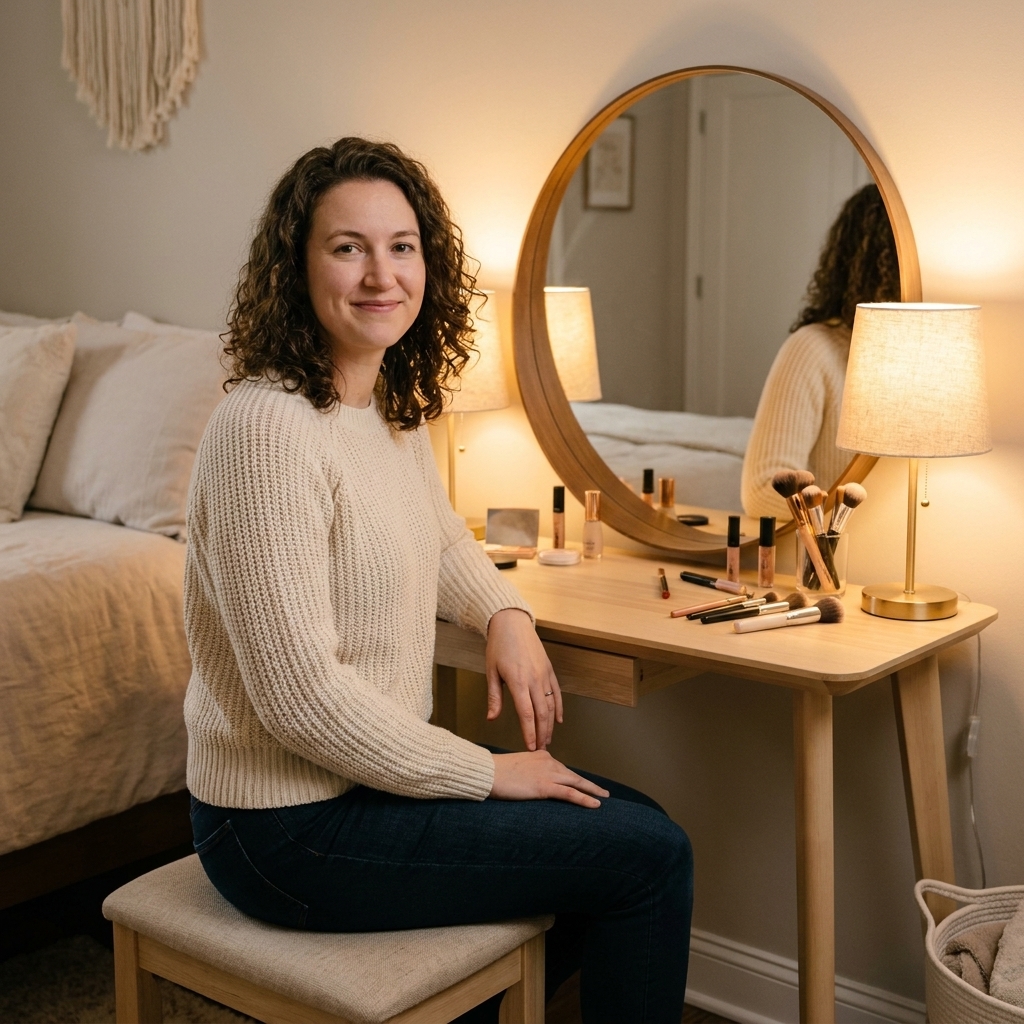
If you have the square footage, giving “getting ready” its own home is life-changing. The key is making it functional and flattering, not just cute.
Placement that works
- Near a window: Often the best natural light for makeup and hair, especially when it is diffused. If direct sun hits the mirror, add a sheer curtain to soften shadows and harsh glare.
- On a quiet wall: Great if your windows are already part of a seating setup.
- Close to the closet: Makes outfit planning easier and keeps your routine in one area.
Lighting matters more than the table
Overhead lighting casts shadows. For a vanity, you want light at face level.
- Add two sconces on either side of the mirror if you can (plug-in versions count).
- Or use a pair of small lamps placed symmetrically.
- Choose bulbs in the 2700K to 3000K range for warm, natural-looking light. If you do makeup here, 3000K is a great middle ground and a high CRI (90+) helps colors read more accurately.
Small upgrades that feel luxe
- A tray for daily products
- A covered container for cotton pads and hair ties
- A pretty stool that can tuck fully under the vanity
- A mirror that feels proportional (not tiny)
Area 4: Dressing
In a large bedroom, the dressing area is what keeps the room from turning into a laundry staging space. This can be as simple as a dresser wall done well.
What to include
- Dresser or wardrobe: Closed storage is your best friend for visual calm.
- Full-length mirror: Leaning mirrors are renter-friendly and make the room feel brighter.
- Catch-all: A small bowl or tray for jewelry, watch, or keys.
- Laundry solution: A lidded hamper looks cleaner in an open room.
Make it feel intentional
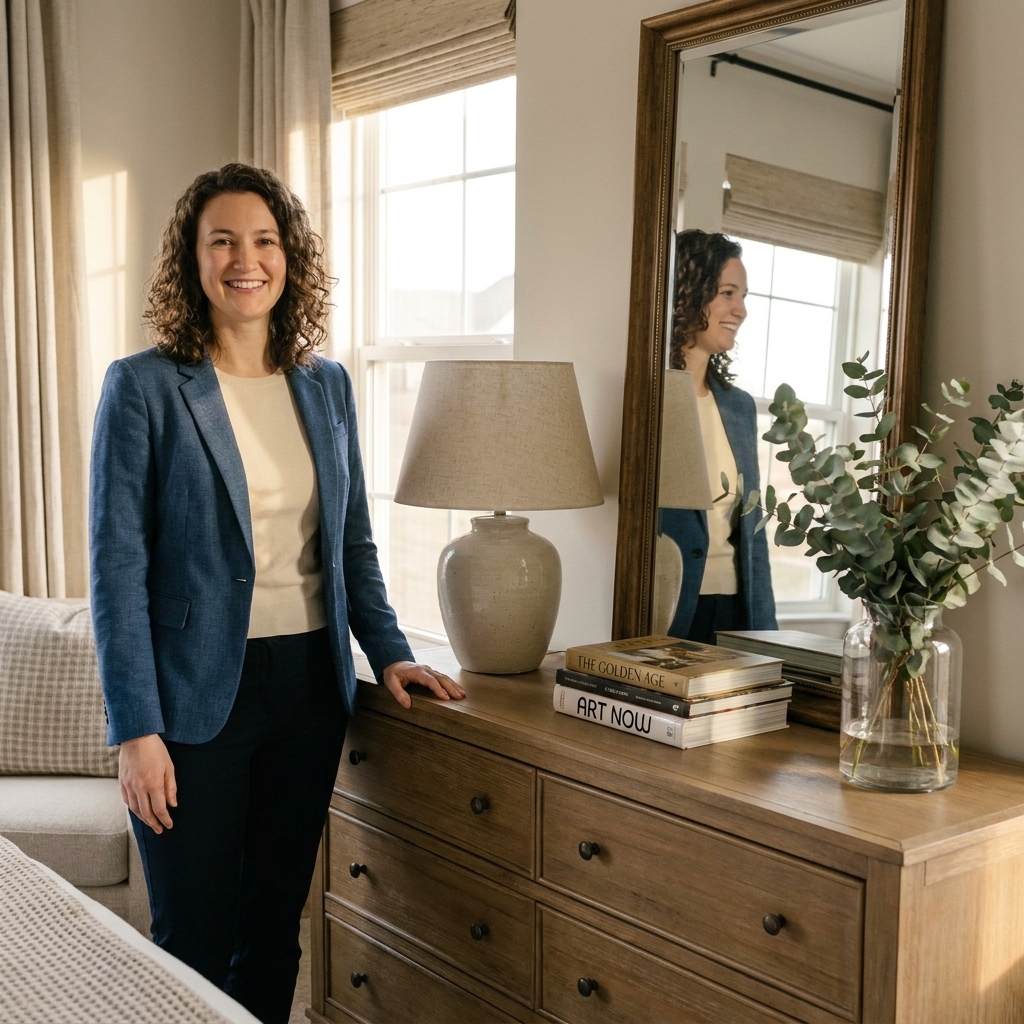
Style the dresser like a moment: a lamp, a stack of books, a small framed photo, and something living (even a low-maintenance plant). The goal is to make storage look like decor.
Area 5: Work nook
I am not here to tell you to romanticize your inbox. But if you genuinely need a small workspace, a big bedroom can handle it beautifully as long as it does not scream “office.”
Keep it bedroom-friendly
- Choose a desk that looks like a console or writing table.
- Use a comfortable chair that could pass as an accent chair.
- Hide cords with a basket or cable box.
- Limit desktop items to a lamp and one tray.
Best placement
Put the work nook farthest from the bed if possible. Mentally, it helps keep your sleep area feeling a little more sacred.
Optional: TV
If you love a bedroom TV, go for it. Just treat it like its own mini setup so it does not take over the room.
- Choose a low console: It visually grounds the wall and gives you a place to hide devices.
- Mind the height: A screen that sits too high can make the whole wall feel awkward. When you are in bed, you want a comfortable, natural viewing angle.
- Hide the chaos: Run cords through the console, use cord covers, and keep the top surface simple.
Easy zoning tools
Room dividers that stay airy
- Open bookshelf: Great between sleep and lounge areas, and you get storage.
- Curtain panel on a ceiling track: Soft, flexible, and surprisingly high-end looking.
- Folding screen: Perfect for hiding a workout mat, hamper, or clutter corner fast.
Paint and wallpaper tricks
If you are allowed to paint, you can subtly separate areas with color:
- A deeper paint color behind the bed to anchor the sleep area
- A wallpaper panel behind the vanity for a boutique feel
- A soft tonal paint shift for the seating area (same color family, different depth)
Lighting layers that do the heavy lifting
- Ambient: overhead fixture on a dimmer, or multiple lamps
- Task: reading lamp, vanity lighting
- Accent: picture light, small uplight behind a plant, candlelight (real or LED)
If you use real candles in a bedroom, keep them on a stable tray, away from curtains and bedding, and never leave them unattended. LED candles are the easiest way to get the glow without the worry.
Fix the echo
Remember that echoey feeling from the beginning? Big bedrooms often need a little acoustic softening. The cozy stuff does double duty here.
- Go bigger on textiles: larger rugs (and a thick rug pad), full-length curtains, and upholstered seating absorb sound.
- Choose a padded headboard: it adds comfort and helps the room feel quieter.
- Add wall coverage: oversized art, a textile wall hanging, or a gallery wall can make a surprising difference.
Common mistakes
- Mistake: Pushing everything to the walls. Instead: Float a seating setup on a rug, even if it is just a couple feet off the wall.
- Mistake: One tiny rug under the bed. Instead: Use a larger rug for the sleep area and a second rug for the lounge area.
- Mistake: Furniture that is too small. Instead: Choose fewer, larger pieces with presence (bigger nightstands, a substantial bench, a real chair).
- Mistake: A single bright ceiling light. Instead: Create at least three pools of warm light across the room.
- Mistake: Too many little decor items spread everywhere. Instead: Style in clusters and keep some surfaces intentionally clear.
Sample layouts
Layout A: Hotel suite
- Bed centered on main wall
- Bench at foot of bed
- Two chairs + table near window on a separate rug
- Dresser opposite bed
- Vanity tucked near closet
Layout B: Getting-ready first
- Bed centered
- Vanity by the brightest window (with sheers if light is harsh)
- Dresser + mirror on the longest wall
- Small reading chair in a corner with a floor lamp
Layout C: Cozy symmetry
- Bed centered with substantial nightstands
- Matching lounge chairs facing each other across a small table
- Large plant or floor lamp to balance an empty corner
- Console behind the bed (if you can float the bed) for an extra layer of architecture
FAQ
How do I make a large bedroom feel cozy, not cavernous?
Give it clear jobs (two rugs minimum helps), add layered warm lighting, and choose a few substantial pieces instead of many small ones. Curtains that go high and wide also soften a big room immediately, and they help with sound, too.
Can I float furniture in the middle of the bedroom?
Yes, and in large rooms it often looks better. Keep pathways clear and anchor floated pieces with a rug so it reads as intentional.
What is the easiest setup to add first?
A seating area. Two chairs, a small table, a lamp, and a rug can transform the entire feel of the room without changing your bed placement.
Do I need a TV in a large master bedroom?
Only if you actually use it. If you do, give it a proper console, hide cords, and keep the screen height comfortable for viewing from bed. If you do not, skip it and invest that space in a lounge or vanity setup that supports your daily routine.
A final cozy reminder
A big bedroom is not asking to be filled. It is asking to be organized. Once you give the space a few clear jobs and define each one with rugs, lighting, and intentional furniture groupings, that oversized room starts feeling like the retreat it was meant to be.
If you want the quickest win, start tonight: pick one corner and turn it into a tiny reading nook. One chair, one lamp, one soft throw. The rest gets easier from there.