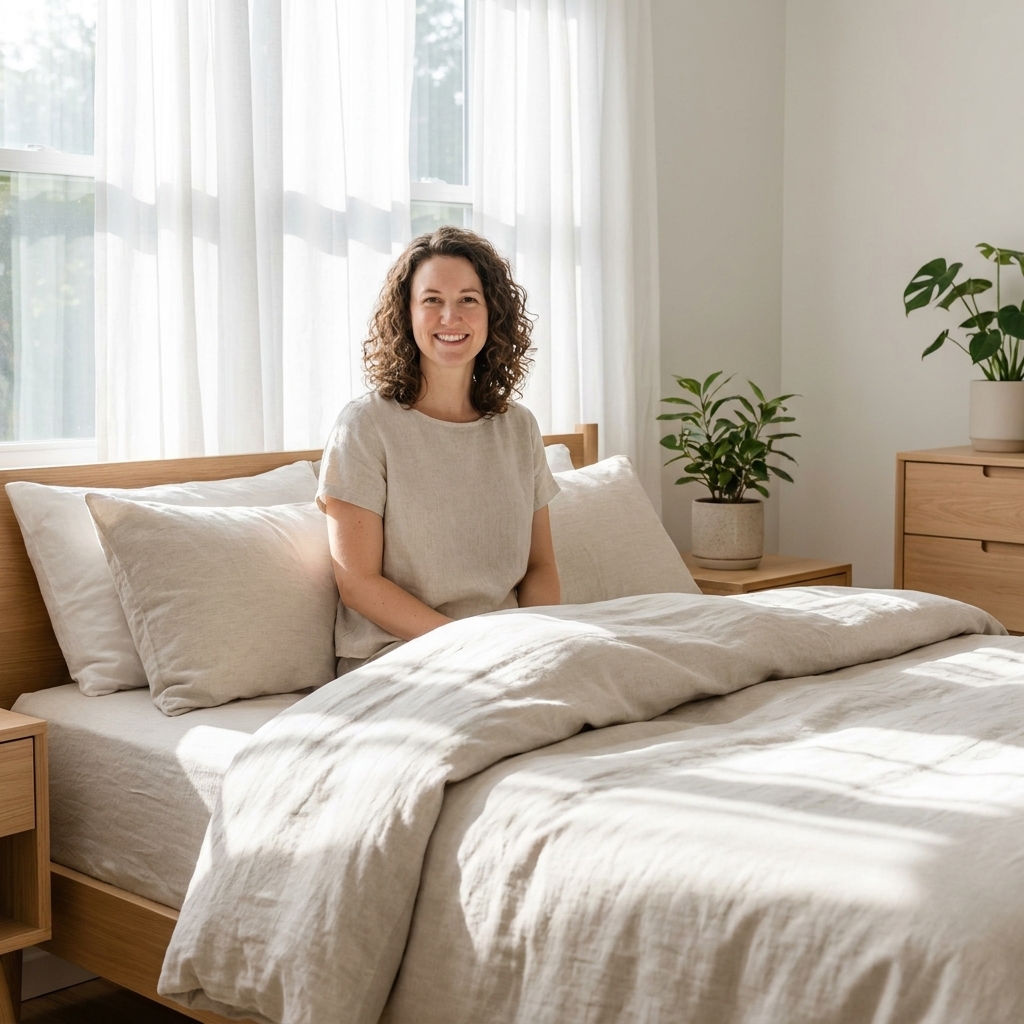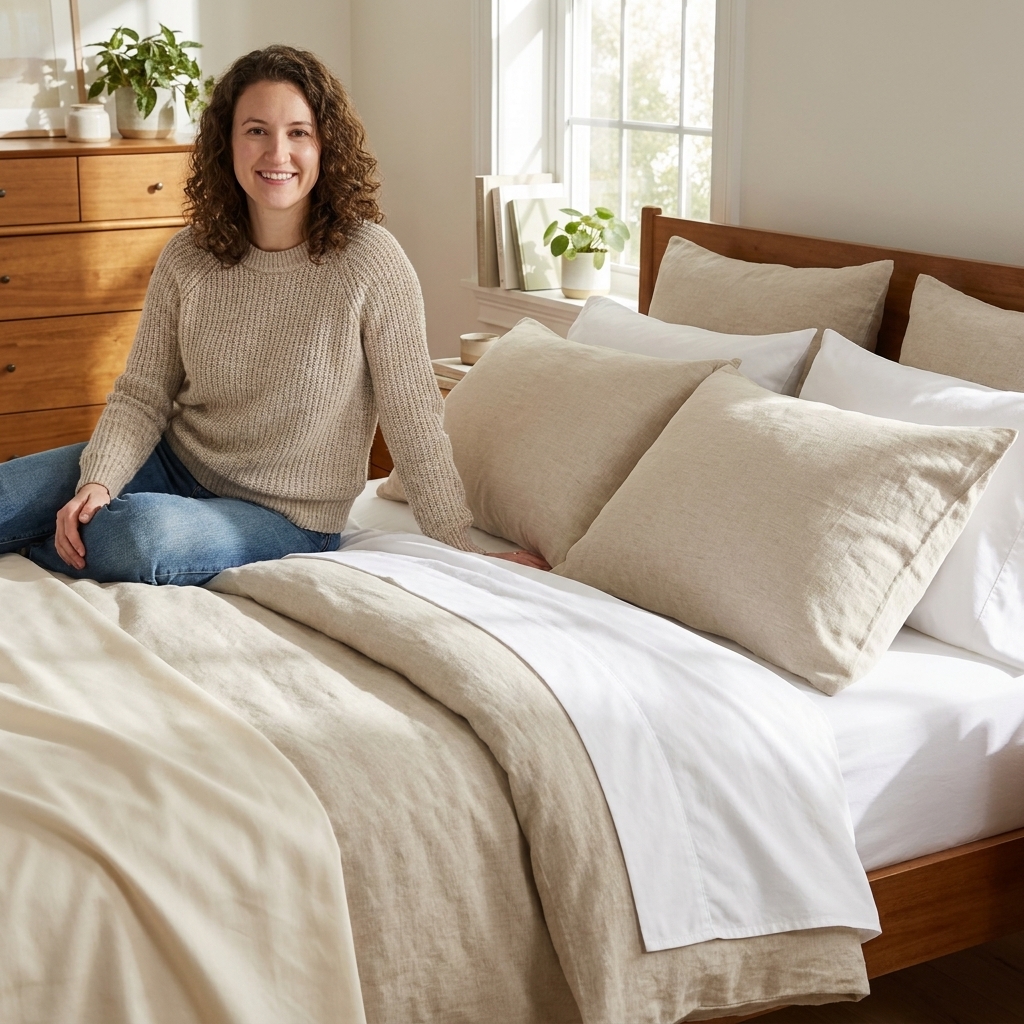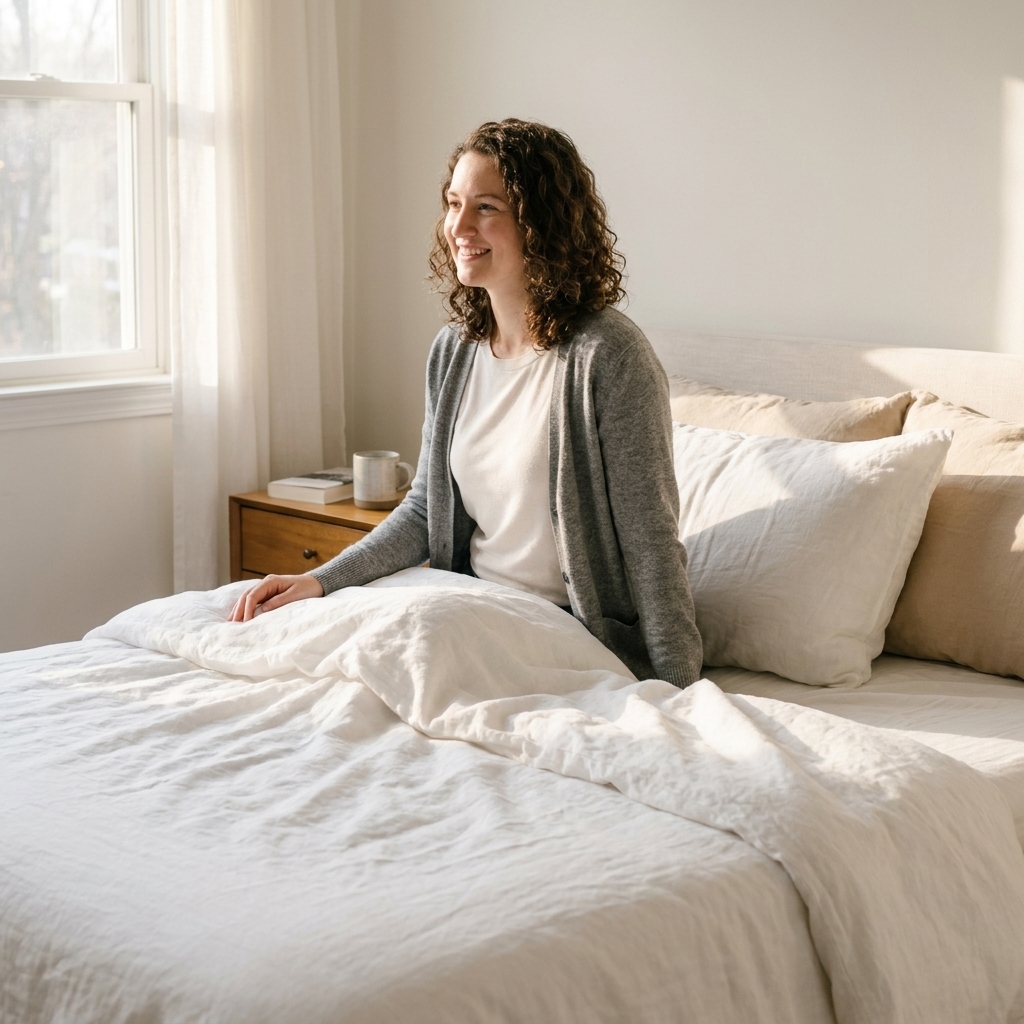
If you wake up sneezing, itchy, or just feeling a little off, your bedding can be a bigger factor than most people realize. Many people spend about a third of their lives in bed, wrapped up in fabric that can hold onto dust, dander, and residual finishes from manufacturing (softeners, wrinkle-resistant treatments, dyes). The good news is you do not need a sterile, spa-white look to get a cleaner sleep setup. You just need the right textiles, a few smart certifications, and a care routine that actually sticks.
One quick reality check: better bedding can reduce irritants and exposure, but symptom relief varies by person. Think of this as stacking the odds in your favor, not a guaranteed cure.
Below is how I shop for hypoallergenic and organic bedding, especially for allergy-prone sleepers and anyone trying to keep their bedroom more low-toxin without sacrificing that cozy, layered look.
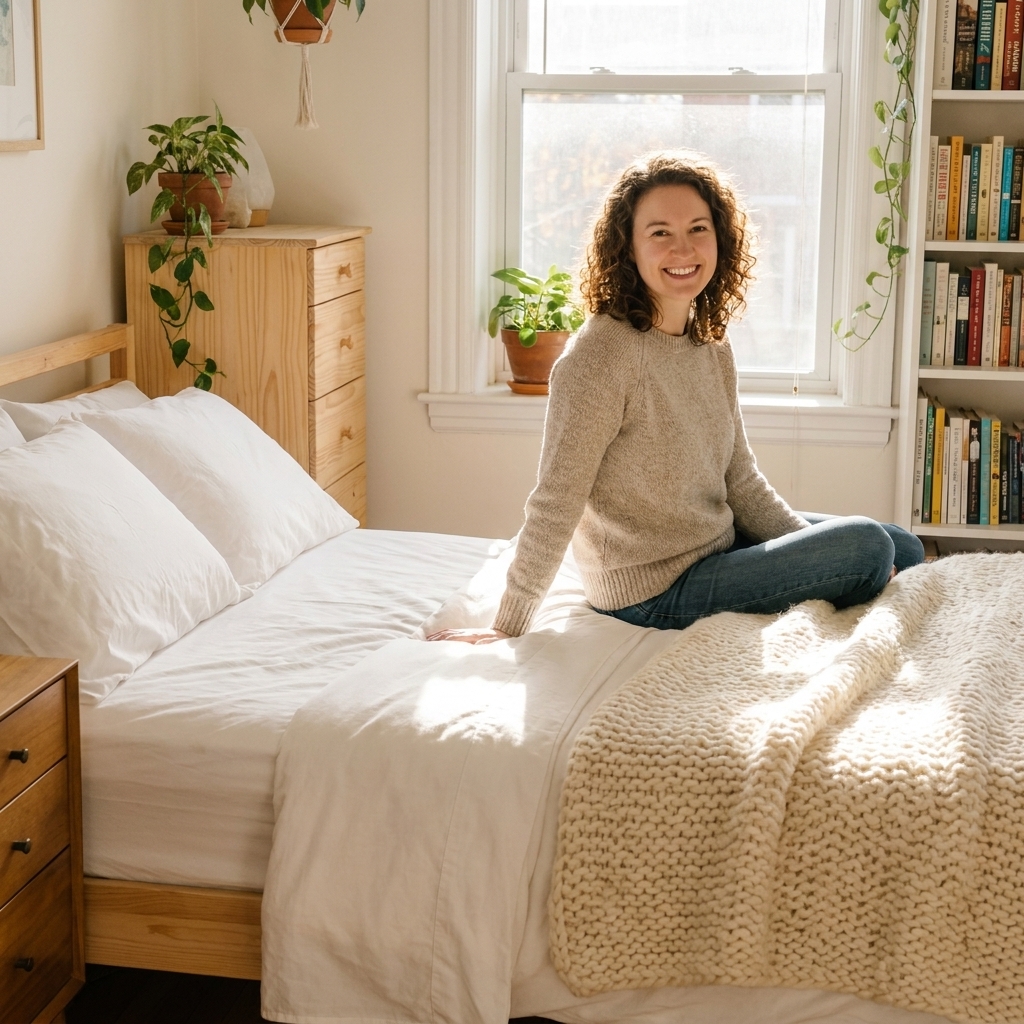
What hypoallergenic means
Let’s clear up the biggest misconception: no bedding is 100 percent allergen-proof. Hypoallergenic bedding is simply designed to reduce common triggers like dust mites, mold, pet dander, and irritating chemical residues.
In practice, you get the most relief by combining:
- Low-irritant, breathable fibers (organic cotton, wool, silk, linen for many people)
- Dust-mite barriers where they matter most (pillows and mattress)
- Washable, easy-care layers so allergens do not build up
- Credible certifications that restrict certain chemical inputs and screen for harmful substances
Certifications that help
If you are shopping “clean,” labels can get confusing fast. When bedding is touching skin for 7 to 9 hours a night, these are the ones I look for most often. One quick definition, because I do not want to overpromise: when I say low-toxin here, I mean reduced exposure to certain chemical finishes, dyes, and added fragrances, not a guarantee of “toxin-free.”
GOTS: organic plus stricter processing
GOTS (Global Organic Textile Standard) is my go-to when you want organic fiber content plus meaningful restrictions during processing. GOTS sets requirements for organic material thresholds, limits certain chemical inputs used in dyeing and finishing, and includes environmental and social criteria in the supply chain. If you want organic cotton sheets that are more than marketing, GOTS is one of the clearest shortcuts.
OEKO-TEX: chemical screening for finished goods
OEKO-TEX Standard 100 tests the finished product against limit values for a wide range of regulated and known harmful substances. It is not an organic certification, and it is not a promise of “non-toxic.” It is simply a solid option if you find a fabric you love and want reassurance that it has been screened.
RWS: a wool add-on
Responsible Wool Standard (RWS) is more about animal welfare and supply chain practices than allergy performance. Still, if you are choosing wool and want a more responsible option, it is worth noting.
My quick shopping rule: For cotton basics, prioritize GOTS. For items where organic is harder to find (like some mattress protectors or specialty weaves), OEKO-TEX is a practical second line of defense.
Best textiles for a cleaner bed
GOTS organic cotton: the everyday workhorse
If you want bedding that is breathable, easy to wash warm to hot, and comfortable year-round, GOTS organic cotton is the easiest win. It tends to be gentler on sensitive skin, and it is widely available in everything from percale to sateen.
- Best for: most allergy sufferers, kids’ beds, anyone who washes frequently
- Look and feel tips: Percale feels crisp and cool, while sateen feels smoother and a little warmer
- Styling note: Organic cotton is perfect as your base layer so you can add personality with throws and quilts on top
Linen: airy and quick-drying
If you run warm or live somewhere humid, linen is worth a look. It is breathable and tends to dry quickly, which can help keep that clammy feeling away. Linen can be textured, though, so if you have very reactive skin, choose a softer, garment-washed linen and be patient with the break-in period.
- Best for: hot sleepers, humid climates, people who like a relaxed look
- Heads-up: it can feel rougher at first than cotton; it softens with washing
Silk: smooth for sensitive skin
Silk pillowcases can be a nice upgrade for people who want a very smooth surface against skin and hair. For allergies, the main benefit is comfort and washability, not that silk is magically mite-proof. If you go this route, make sure you can actually launder it the way your life works, and consider pairing it with a dust-mite pillow protector underneath.
- Best for: very sensitive facial skin, people who want less friction on hair
- Heads-up: often higher maintenance; follow care instructions carefully
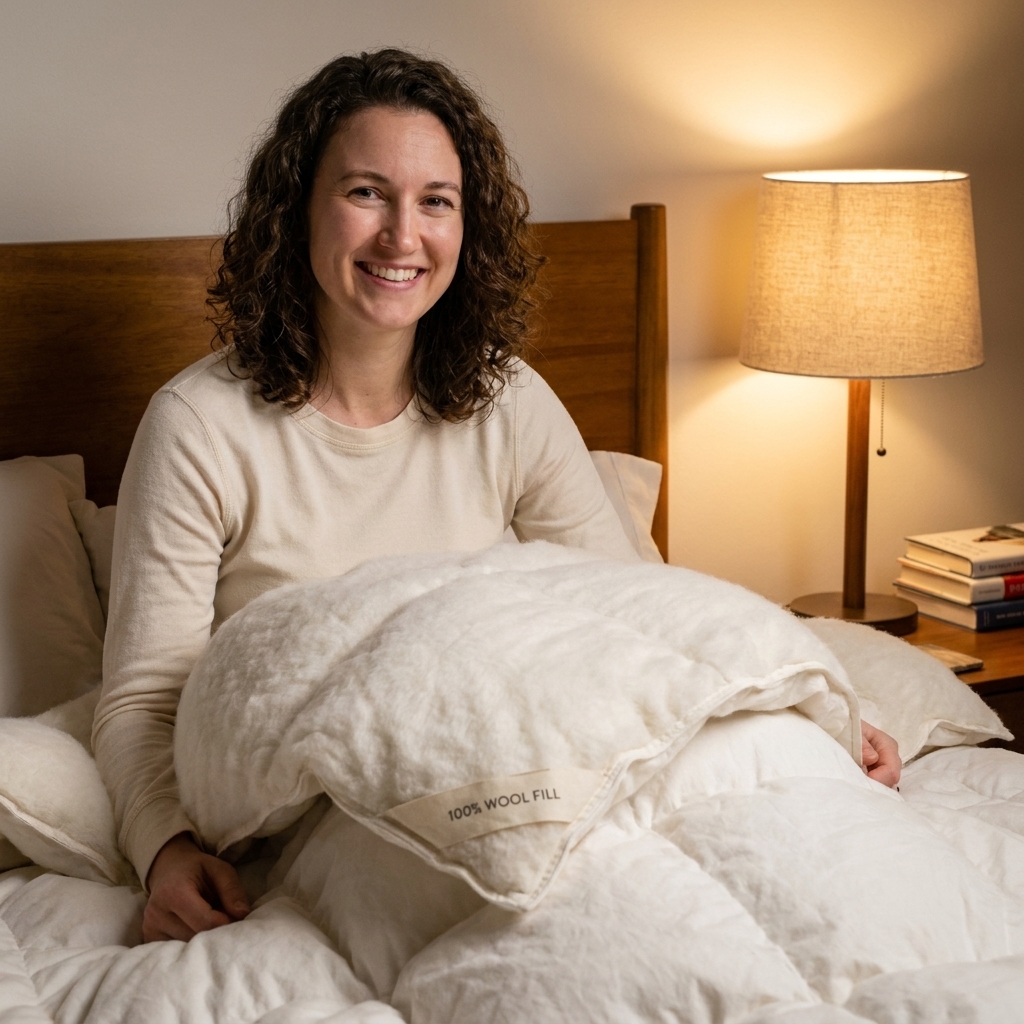
Natural wool: great for moisture and temperature
Wool is one of my favorite secret weapons for a cleaner-feeling bed because it is naturally temperature-regulating and handles moisture well. Less moisture can mean a less hospitable environment for mold and mildew, especially in humid climates or for hot sleepers.
Wool can also be a smart choice for comforters and mattress toppers because it adds warmth without the sweaty, trapped feeling that can happen with some synthetics.
- Best for: hot sleepers, humid climates, people who hate overheating
- Where to use it: comforter or duvet insert, mattress topper, pillows (if you like firmer support)
- Heads-up: True IgE-mediated wool allergy is uncommon. Many people react to scratchy fibers or have lanolin sensitivity instead. If you have severe symptoms, talk with an allergist. Otherwise, it can help to try a wool layer for comfort first (for example, a topper under a cotton sheet), and treat that as a personal comfort test, not medical guidance.
Dust-mite barriers that matter
When allergies are the main issue, your biggest offenders are usually the mattress and pillows. They are hard to wash fully and they collect moisture and skin cells, which dust mites love.
Use a real barrier
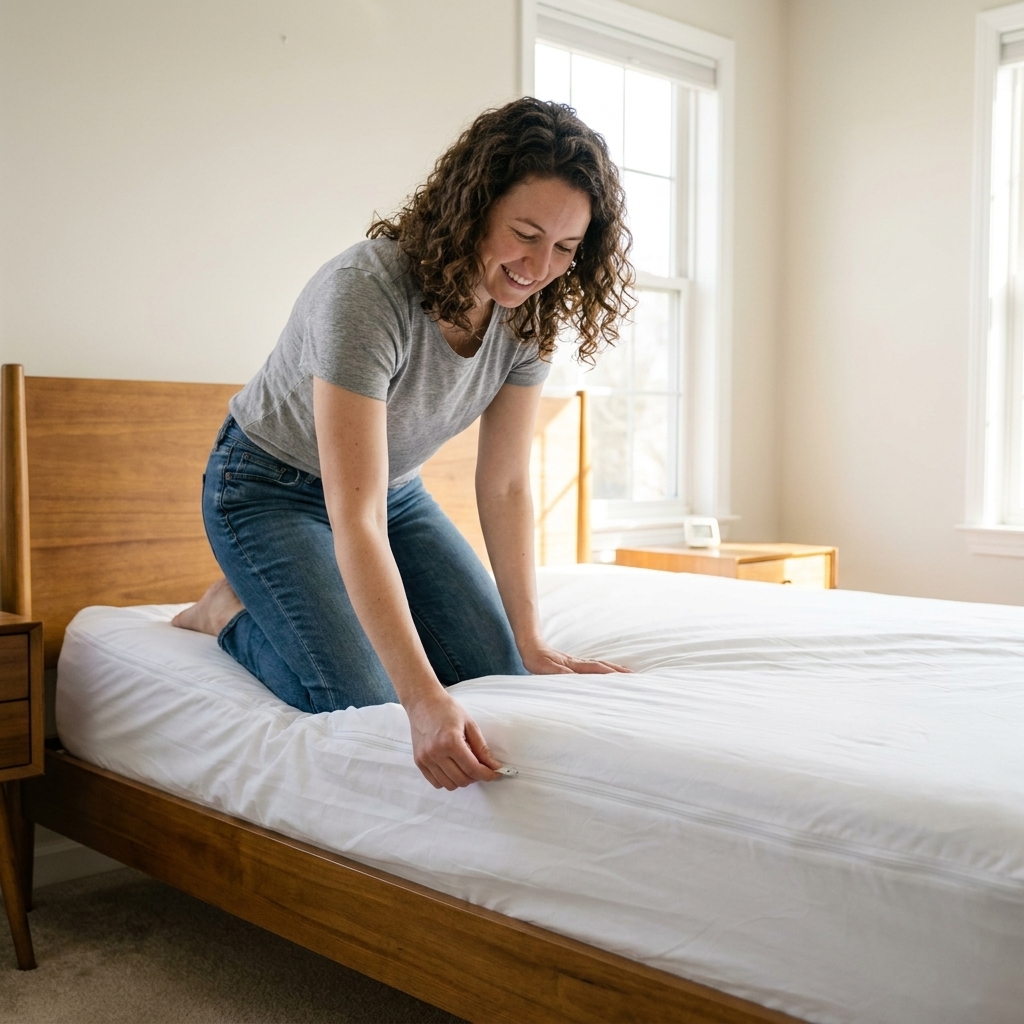
Look for allergen-barrier encasements that fully zip around the mattress and pillows. The goal is to block mites and allergens from moving in and out.
- What to look for: a tightly woven or membrane-style barrier fabric, a secure zipper with a good seal, and a feel you can tolerate sleeping on
- Even better: products labeled dust mite proof or allergen proof that reference independent or lab testing (not just marketing copy). Some brands will specify pore size or microns, but you do not need to memorize numbers if you can verify testing.
- What to avoid: loud, crinkly covers that make you miserable at 2 a.m. and end up in a closet
Choose washable, breathable top layers
Even with a barrier, you still want bedding that does not trap heat and moisture. This is where organic cotton and linen shine. If you love the look of layers, keep the layers washable.
A simple bedding stack
If you feel overwhelmed by options, here is the exact order I suggest focusing on. Start from the inside out, like building a cozy sandwich.
- Mattress encasement: dust-mite barrier, zippered
- Pillow protectors: dust-mite barrier, zippered
- Sheets: GOTS organic cotton percale or sateen (or linen if you love it)
- Blanket layer: washable cotton blanket or lightweight wool blanket (depending on sensitivity)
- Duvet insert: wool fill for temperature regulation, or a certified low-toxin alternative if you prefer
- Duvet cover: GOTS organic cotton, easy to launder
If you can only upgrade two things: start with pillow protection and sheets. Your face is on that pillow for hours, and it can make a noticeable difference fast.
Fabric picks by need
If you have eczema or sensitive skin
- Try: GOTS organic cotton sateen or smooth percale
- Skip: heavily textured weaves that can feel scratchy
- Tip: fragrance-free detergent and an extra rinse cycle can be just as important as the fabric
If you sleep hot but want cozy
- Try: organic cotton percale sheets + wool duvet insert
- Tip: add warmth visually with a chunky knit throw at the foot of the bed instead of heavy layers over your torso
If dust mites are the main trigger
- Try: full encasements (mattress + pillows) + washable cotton or linen bedding
- Tip: keep decorative pillows to one or two and choose covers that can be washed
Care that keeps it allergy-friendly
You can buy the most beautiful organic linens in the world, but the real magic is maintenance. Here is the routine I recommend for a cleaner bed without turning laundry into a second job.
Wash schedule
- Sheets and pillowcases: weekly (or every 3 to 4 days if allergies are intense)
- Duvet cover: every 1 to 2 weeks
- Pillow protectors: monthly
- Comforter or duvet insert: every 3 to 6 months, if the care label makes that realistic
Water temperature and drying
Dust mites are more reliably reduced with hot washing, but always check your care label. A commonly cited target is at least 130°F (55°C) when the fabric can handle it, though guidance varies and some sources recommend hotter. If hot washing is not realistic for your bedding, do not panic: consistent washing with detergent plus thorough drying (and, when allowed, a hot dryer cycle) still helps reduce allergen buildup.
- Cotton: warm or hot wash if allowed, dry thoroughly
- Linen: warm wash if allowed, dry fully and avoid leaving it damp in the washer
- Wool: follow the label, often spot clean and air out regularly; some wool duvets are washable, others are better refreshed by airing and occasional professional cleaning
Skip the fragrance cloud
Strong fragrances can irritate sensitive sleepers even when the fabric is technically clean. If your goal is low-toxin, go for fragrance-free detergent and avoid scented dryer sheets. Wool dryer balls are a nice low-fuss swap.
Replace and refresh
If allergies are a big issue, do not ignore the basics:
- Pillows: inspect them regularly and replace when they stop washing well, smell musty, or stay lumpy. Many people end up replacing pillows every 1 to 2 years depending on fill and care.
- Air out the bed: fold back the duvet for 10 to 15 minutes in the morning so moisture can dissipate before you make the bed tight.
Reduce allergens in the room
Bedding matters, but the bedroom environment matters too. If you do all the right textile swaps and still feel off, these small changes can help:
- Humidity control: dust mites and mold tend to thrive when humidity stays high. Many homes do best around 30 to 50 percent relative humidity. In damp climates, a dehumidifier can be a game changer.
- Vacuum smart: if you can, use a vacuum with a HEPA filter, especially around the bed.
- Ventilation: cracked windows when weather allows, and regular HVAC filter changes, make the whole room easier to breathe in.
Cozy style without dust traps
You can absolutely have that layered, Pinterest-y bed. The trick is choosing the right layers.
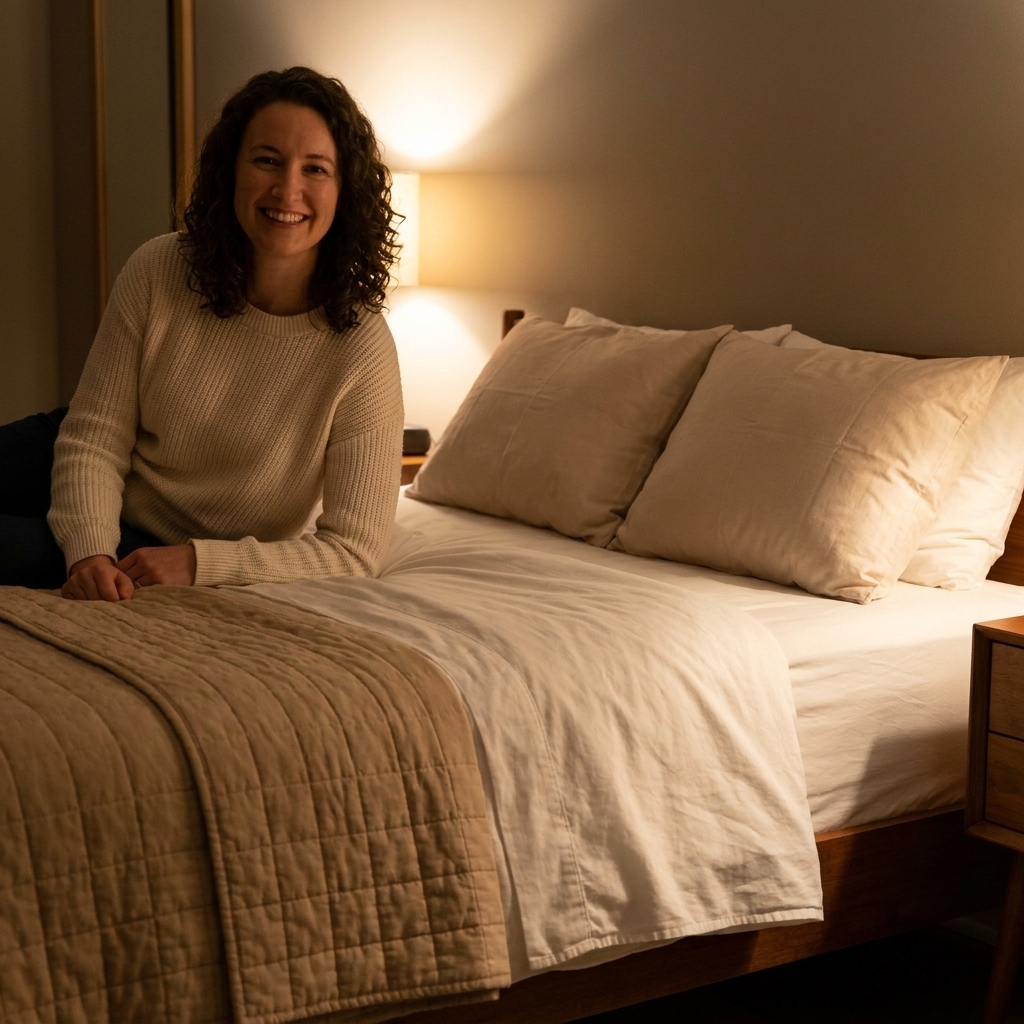
- Choose washable textures: a cotton matelassé coverlet, a quilt, or a tightly woven blanket you can toss in the wash
- Use a lidded basket: store extra throws so they are not collecting dust on an open ladder
- Be picky with thrifted finds: vintage quilts can be incredible, but wash thoroughly and consider using them as a foot-of-bed layer rather than near your face if allergies are severe
- Mind the extras: too many decorative pillows can become dust catchers. Keeping it to two looks intentional and easy to maintain.
Quick FAQ
Is organic cotton always hypoallergenic?
Not automatically, but it can help. Organic cotton, especially when GOTS-certified, typically reduces exposure to certain chemical finishes and dyes that can bother sensitive skin. You still need good washing habits and dust-mite control.
Is bamboo bedding better for allergies?
It depends. Many “bamboo” fabrics are actually rayon or viscose made from bamboo, which involves heavy processing. Some people love the slick feel, but if your priority is a simpler, more natural textile story, organic cotton or linen is often the clearer choice. If you do choose bamboo-based fabric, look for reputable chemical safety certifications and be cautious about added fragrances or antimicrobial treatments.
What is the single best upgrade for dust mite allergies?
A zippered mattress encasement and zippered pillow protectors. That one change can significantly reduce exposure because mites thrive in those hard-to-clean cores.
Can synthetics work on a budget?
Yes. Prioritize an allergen barrier for the mattress and pillows, then choose bedding that washes easily and dries fully. If you go synthetic, look for credible chemical safety testing and avoid heavy fragrances in detergents and softeners.
Shopping checklist
- Sheets: GOTS-certified organic cotton (or linen if you love the feel)
- Mattress and pillow encasements: zippered dust-mite barrier, ideally with independent or lab testing
- Comforter fill: wool for temperature regulation (if tolerated), or another option you can realistically clean and fully dry
- Dyes and finishes: favor GOTS or OEKO-TEX certifications
- Care plan: weekly sheet washing, fragrance-free detergent, fully dry everything
If you want your bedroom to feel like a true retreat, clean bedding is one of the most underrated “decor” upgrades there is. It is not just about what looks pretty at the foot of the bed. It is about what you are breathing and touching all night long. Start with the layers closest to your skin, build outward, and keep it simple enough that you will actually maintain it.