If you wake up kicking the covers off at 2 a.m. or flipping your pillow to find the “cool side” like it is a competitive sport, your bedding fabric is doing more work than you think. The right textiles can help heat and moisture move away from your body so your bed feels airy instead of swampy.
Below is my go-to breakdown of truly breathable bedding fabrics (including bamboo and eucalyptus), what they feel like, what to buy first, and a few styling tricks to keep your bedroom looking cozy without trapping heat.
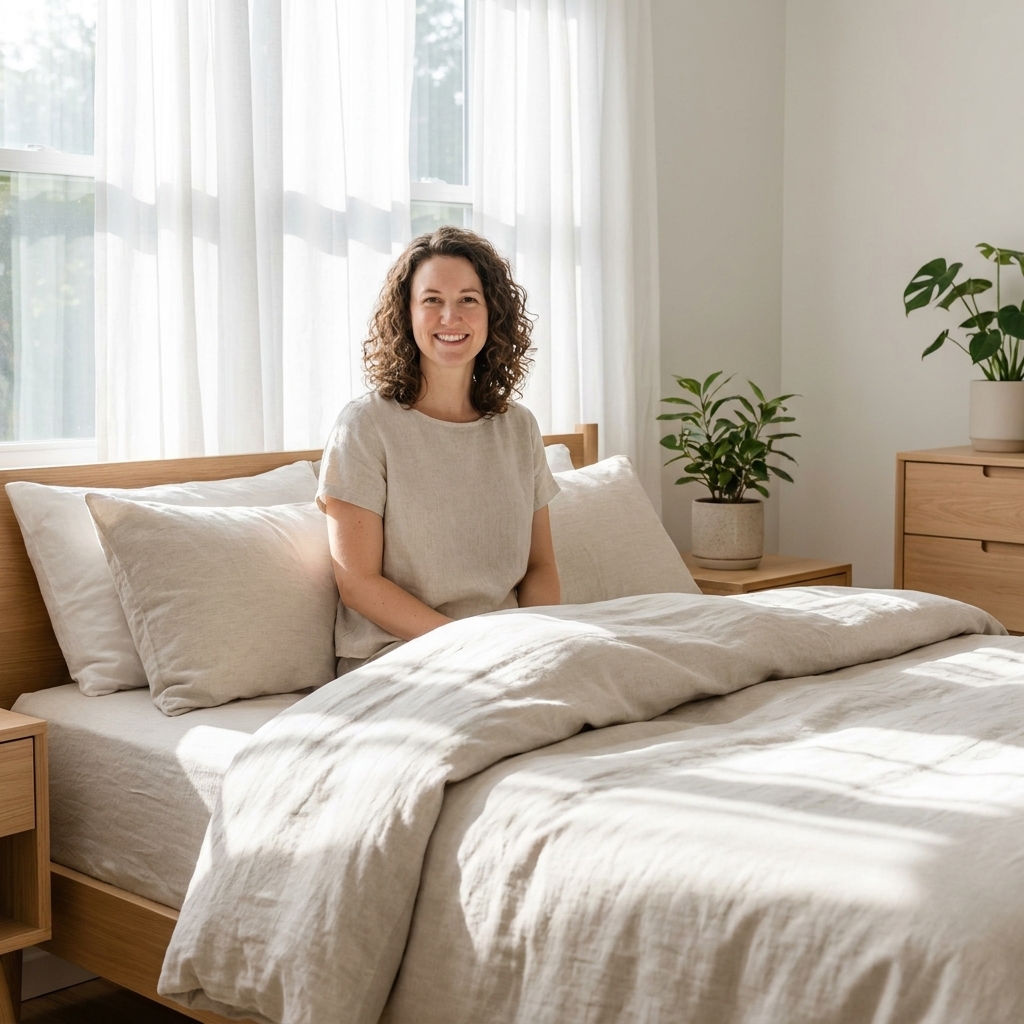
What makes bedding feel cooling
Cooling bedding is less about “cold” fabric and more about breathability and moisture management. Here is what I look for when I am thrift-shopping linens or choosing a new set online:
- Airflow: Looser weaves and naturally breathable fibers let heat escape instead of building up under the covers.
- Moisture wicking: Some fibers pull sweat off your skin so it can evaporate, which helps you feel drier.
- Low heat retention: Certain materials hold warmth (hello, heavy synthetics). Others feel crisp and more temperature-neutral.
- Finish and weave: A cotton percale can feel dramatically cooler than a cotton flannel, even though both are cotton.
One more thing: “cooling” claims are often marketing. Your best shortcut is sticking with breathable fibers and weaves, and avoiding anything that feels plasticky, overly brushed, or weirdly coated.
The best breathable fabrics
Bamboo (viscose, rayon, or lyocell)
Bamboo-based fabrics are popular with hot sleepers because they tend to feel silky, smooth, and cool to the touch. They also often handle moisture well, which can be a lifesaver in humid climates.
Quick clarity that saves a lot of confusion: most “bamboo sheets” are bamboo-derived viscose or rayon, which means the bamboo is chemically processed into a cellulose fiber. “Bamboo lyocell” exists too, but it is less common and is usually marketed as a more controlled, closed-loop process.
- Best for: Night sweats, sensitive skin, people who like a drapey, slippery feel.
- Look for: “Bamboo lyocell” if you see it, or high-quality bamboo viscose/rayon from a brand that lists fiber content clearly. Weave matters here too: percale will feel airier, sateen will feel smoother.
- Heads up: Pilling can happen with some bamboo viscose, especially with lower-quality yarns, abrasive washing, or lots of friction (hello, restless sleepers). Gentle cycles and low heat help a lot.
Eucalyptus (Tencel lyocell)
If bamboo is the cool, silky option, eucalyptus lyocell is its slightly more polished cousin. It is smooth, breathable, and great at managing moisture, with a finish that often feels less clingy than some rayon blends.
- Best for: Hot sleepers who want softness without a super shiny slip.
- Look for: “Tencel lyocell” on the label (TENCEL is a common branded lyocell).
- Style tip: Eucalyptus bedding looks gorgeous in muted tones like fog, oat, soft clay, and warm white. It gives that calm hotel vibe without feeling stiff.
Linen
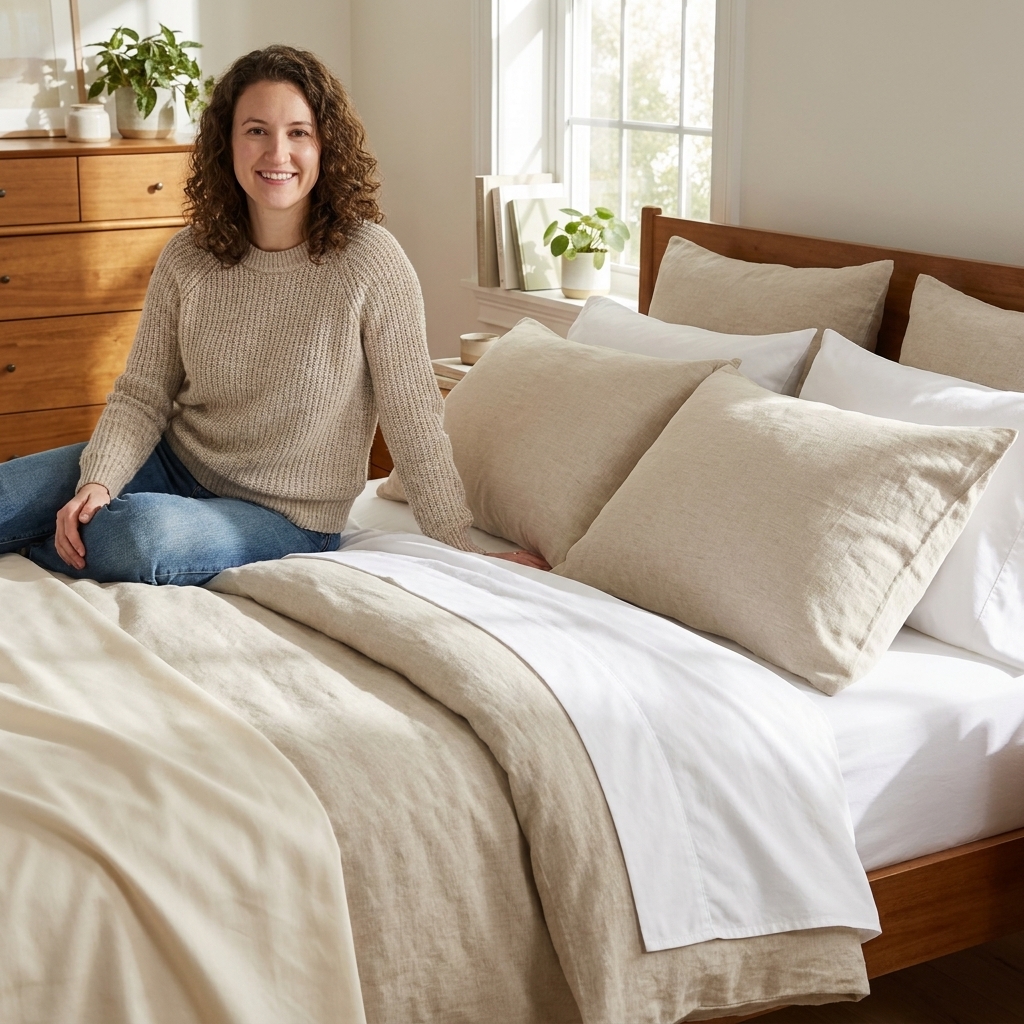
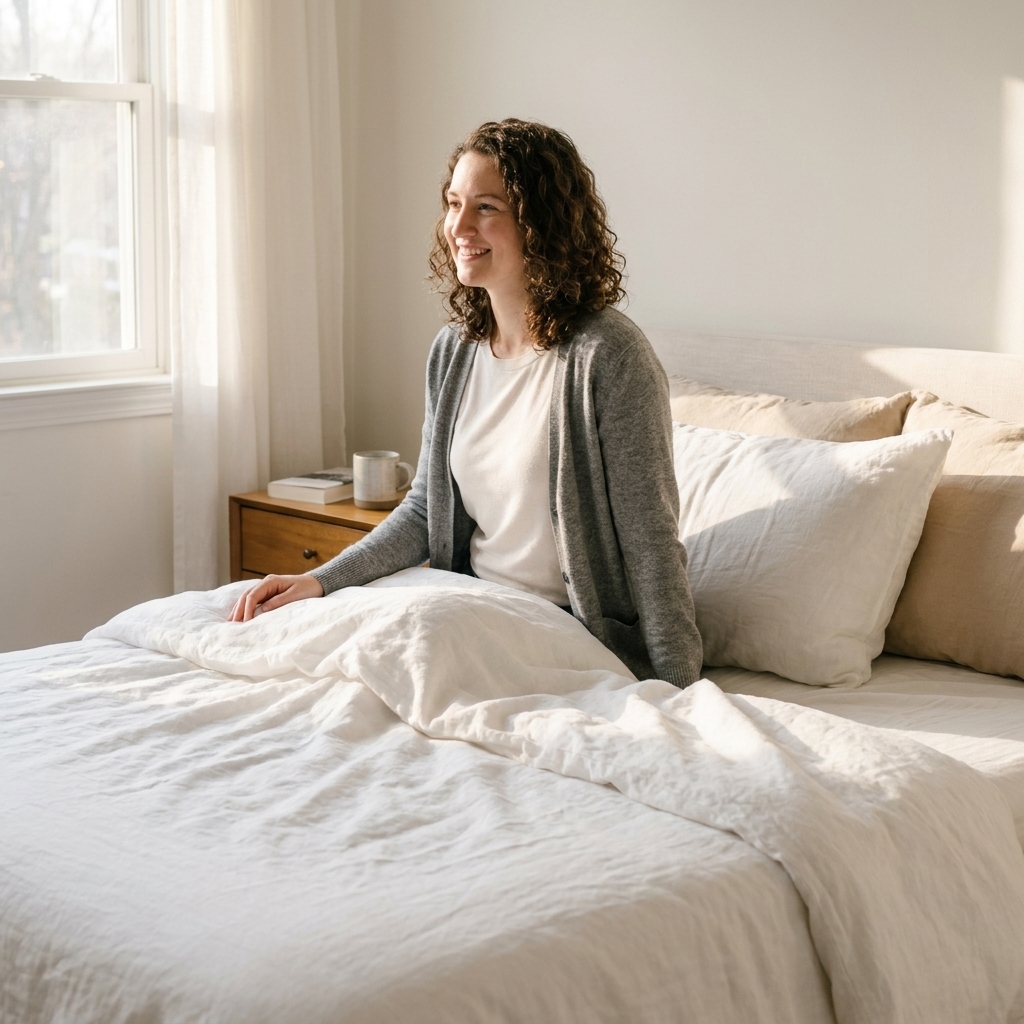
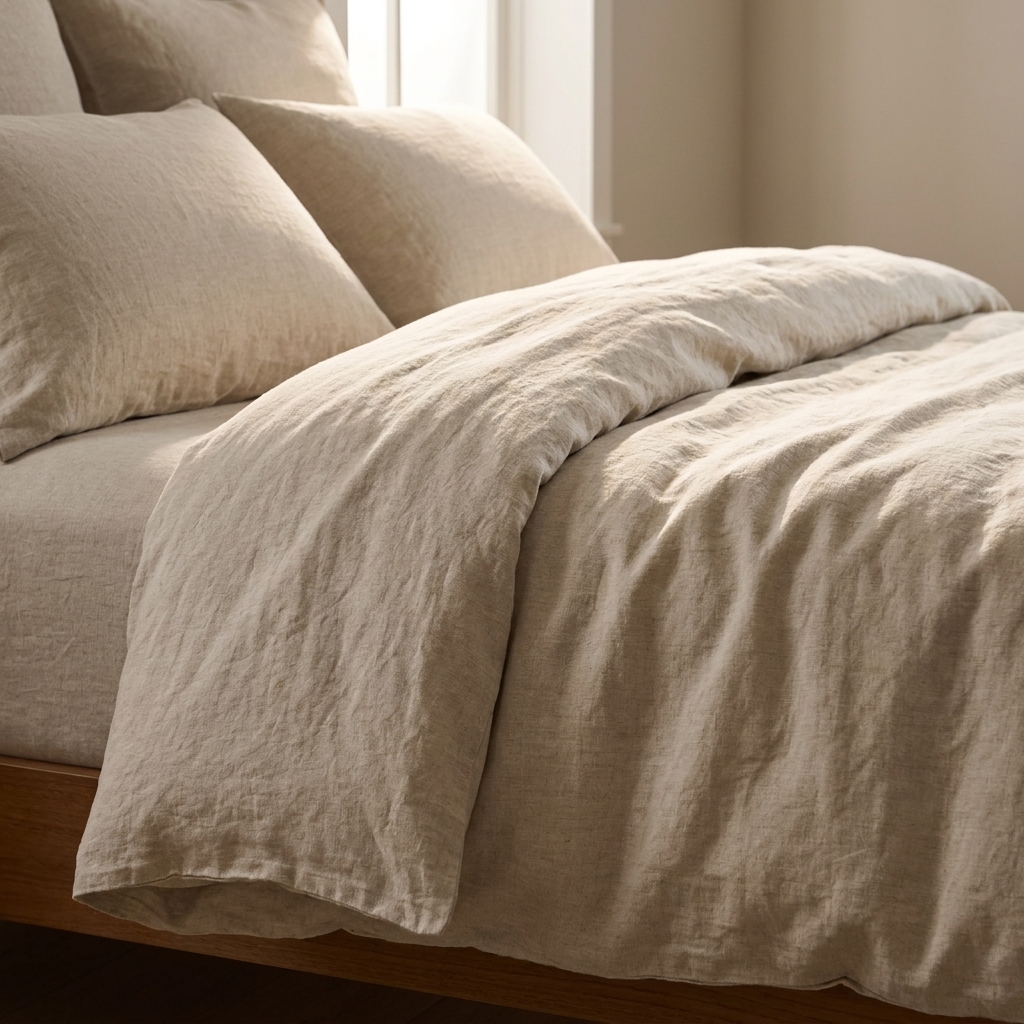
Linen is my summer ride-or-die because it breathes like a champ. It has that relaxed, slightly rumpled texture that makes a bed look styled even when you did not try very hard. Linen also gets softer the more you wash it.
- Best for: People who run hot and like a more textured, airy feel.
- Look for: Midweight linen for sheets, and a linen duvet cover if you want maximum airflow.
- Heads up: Linen wrinkles. Personally, I consider that part of the charm. Also, check care labels, some linen can shrink a bit if you blast it on high heat.
Cotton percale
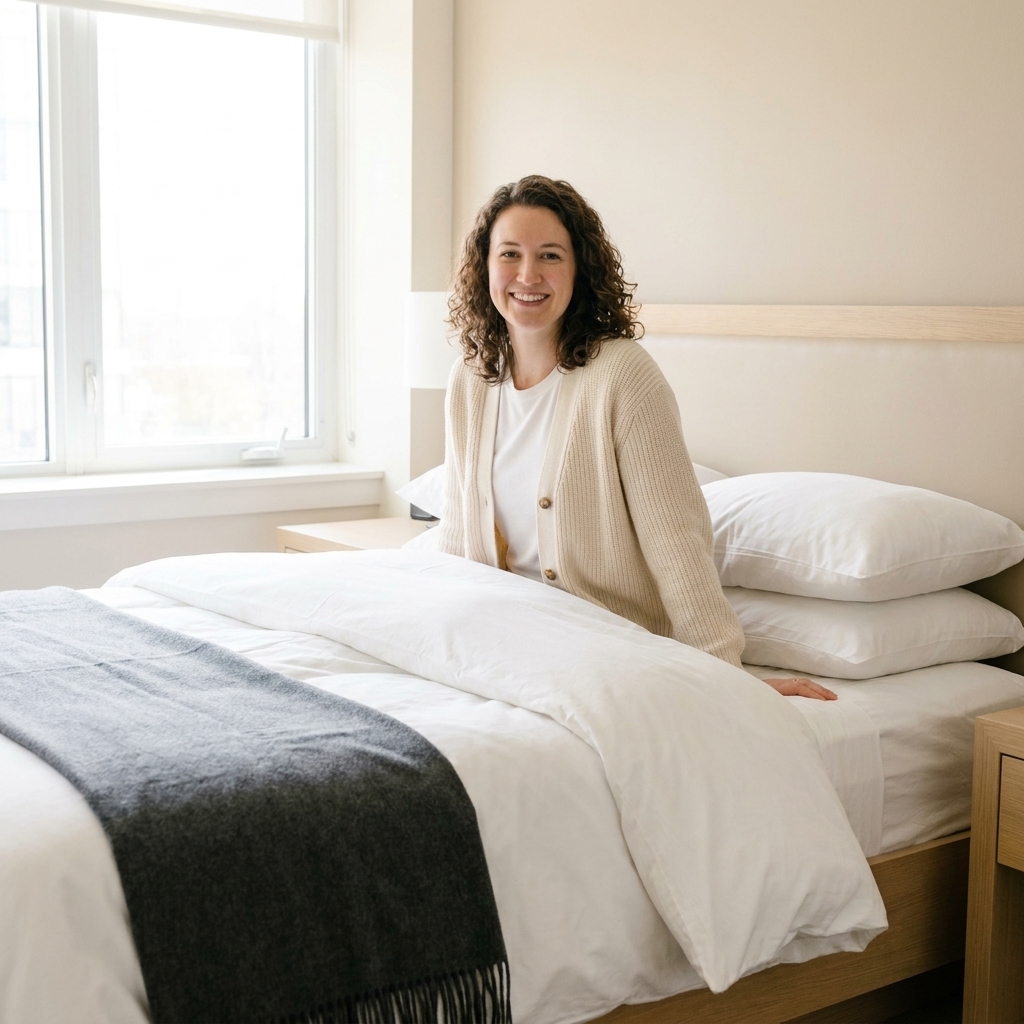
If you have ever loved crisp hotel sheets, you probably loved percale. It is a plain weave cotton that feels cool, matte, and breathable, especially compared to cotton sateen.
- Best for: Hot sleepers who want that fresh, just-made-the-bed crispness.
- Look for: Long-staple cotton (often Egyptian or Supima). For a classic percale feel, a roughly 200 to 400 thread count range is a solid target. Super high thread counts can mean a tighter fabric that may sleep warmer.
- Heads up: Percale can feel a little firm at first, then softens nicely over time.
Cotton voile or lightweight muslin
Voile and muslin are light, breathable cotton weaves that work beautifully for duvet covers, summer blankets, and even pillow shams if you want a softer, floatier look.
- Best for: Layer lovers who still want airflow.
- Look for: “Cotton gauze” or “double gauze” for an extra airy, cloudlike top layer.
Hemp (and hemp cotton blends)
Hemp is durable, breathable, and often similar to linen in how it wears and softens over time. It is a fantastic option if you like linen’s vibe but want something a bit heavier and super long-lasting.
- Best for: People who sleep hot but still want substance and longevity.
- Look for: Hemp blended with cotton for a softer hand-feel right away.
Wool (yes, even for hot sleepers)
This surprises people, but wool is a natural temperature regulator. A lightweight wool blanket or a breathable wool-filled comforter can manage moisture better than many synthetics. Construction and fill weight matter a lot though, a heavy wool duvet can still sleep warm.
- Best for: Hot sleepers who also get chilly at 4 a.m., or anyone dealing with night sweats.
- Look for: Lightweight wool blankets, or wool batting in a breathable cotton shell.
- Avoid: Heavy, tightly woven wool if you already feel overheated. If you are sensitive to wool, keep it as a top layer or choose a well-encased wool insert.
Fabrics that trap heat
I am not here to shame anyone’s fuzzy blanket collection, but if you are overheating, these are the usual culprits:
- Microfiber and polyester-heavy sets: They can hold onto heat and moisture, especially in humid weather.
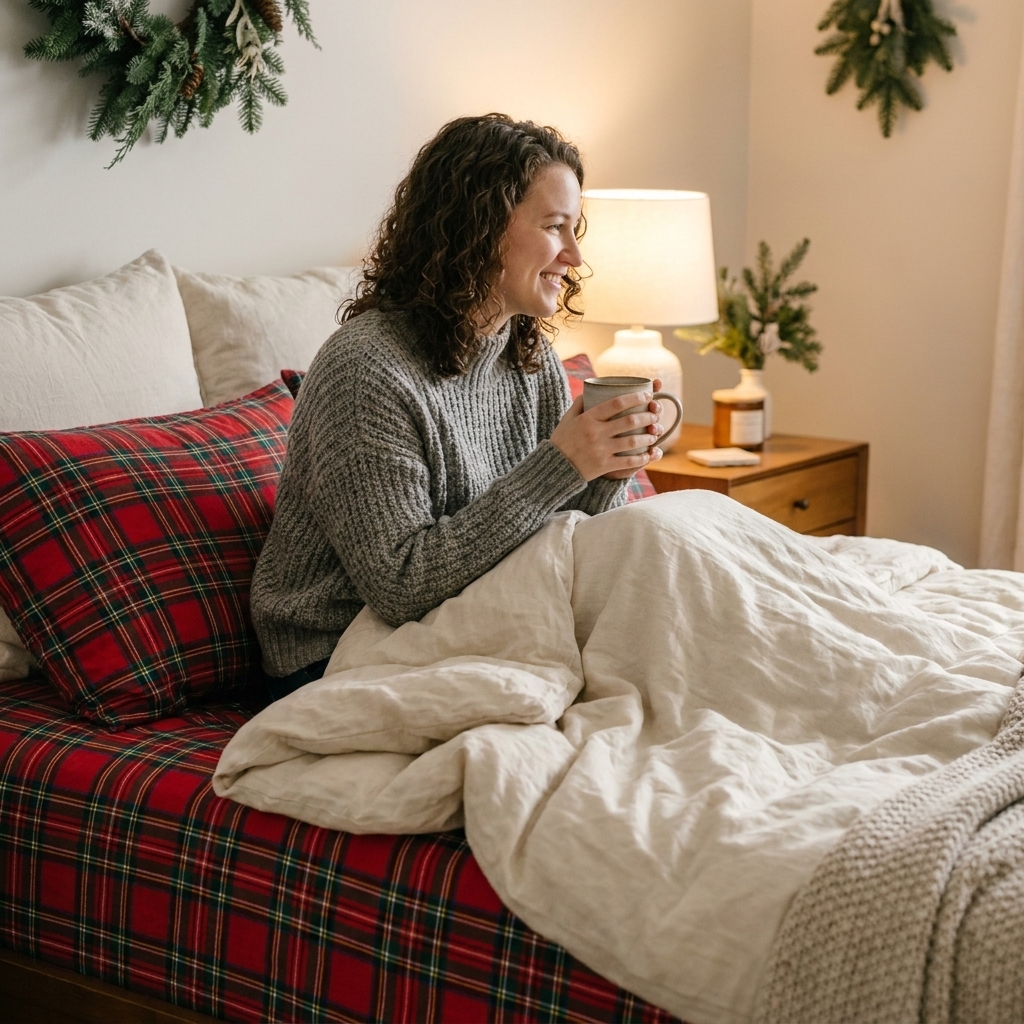
- Flannel: Cozy, yes. Cooling, no.
- Heavy plush comforters: Even with AC, that loft can hold warmth.
- Low-quality satin sheets (often polyester): Slippery does not always mean breathable.
If you love the look of a lofty bed, you can still do it. The trick is making your closest-to-skin layer breathable and keeping the top layers lighter and easy to kick off.
What to buy first
If you are not replacing everything at once, here is the order I usually recommend:
- Sheets and pillowcases: Start with cotton percale, linen, bamboo, or eucalyptus. This is where your skin spends the most time.
- Pillow and mattress protectors: Sneaky heat trap alert. Many protectors are polyurethane-backed and can sleep hot. If you need waterproofing, look for the most breathable options you can find (often cotton terry with a thinner, more breathable membrane). If you do not need waterproofing, a simple cotton protector or wool pad can feel noticeably cooler.
- Duvet insert or comforter: Swap heavy polyester fills for something more breathable. Even a lighter-weight insert can feel like an instant AC upgrade.
- Duvet cover: Use linen or percale to keep airflow moving.
- Top layer: Replace chunky throws with a cotton gauze blanket or a lightweight quilt for summer.
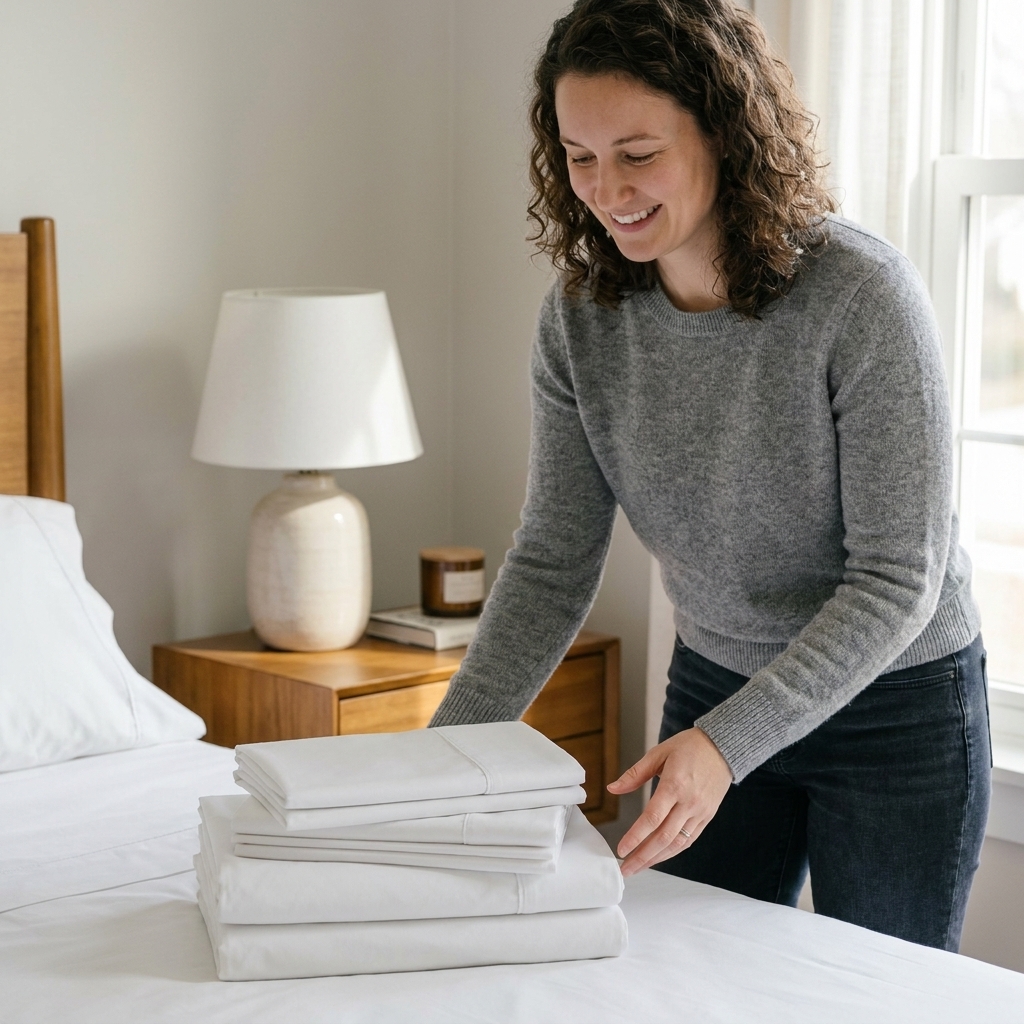
Weave cheat sheet
When labels get confusing, this quick guide helps you decode what you are actually buying:
- Percale (cotton): Crisp, cool, breathable. Great for hot sleepers.
- Sateen (cotton or bamboo): Smooth and drapey, and it can feel warmer than percale because the weave has longer floats and often less airflow.
- Jersey (cotton knit): T-shirt feel. Cozy, not the coolest option.
- Gauze or muslin: Airy and lightweight, ideal for summer layering.
- Brushed finishes: Usually warmer because the fibers are fluffed up to trap heat.
Quick watch-outs
- Too-tight weaves: If a set is advertised as “silky percale” or extremely high thread count, it may be woven tightly enough to reduce airflow.
- Coatings and heavy finishes: Wrinkle-resistant treatments and some softening finishes can affect breathability.
- Hidden synthetics: Check the label for polyester blends, especially on budget “cooling” sets.
Insert and fill basics
If your sheets are breathable but you still wake up sweaty, the problem is often what is on top of you. Here is the quick, real-life hierarchy, with the reminder that weight and construction matter as much as the fill itself:
- Lightweight down or down alternative: Down can breathe well when it is not overstuffed. Many down alternatives are polyester and can trap heat, so look for lighter summer weights if you go this route.
- Wool: Great moisture buffering and comfortable across temperature swings, especially in lighter weights.
- Silk: Often lightweight and temperature-regulating, but it can be pricey and care can be fussy.
- Cotton fill: Breathable, but it can feel heavier and hold onto moisture more than wool.
- Polyester-heavy fills: Affordable and fluffy, but more likely to sleep warm, especially in higher lofts.
Style a cooler bed
I get it. A “cooling” bed can accidentally start looking like a sterile guest room. Here is how I keep things breathable and still inviting:
- Use a light color palette: Soft whites, pale sage, sand, and misty blues read cooler visually and feel fresh.
- Layer with thin textures: Think gauze blanket, waffle weave throw, or a lightweight quilt instead of heavy knits.
- Keep the foot of the bed flexible: Fold your top layer into a tidy strip so you can pull it up only when you need it.
- Swap shiny for matte: Matte cotton and linen look calmer and feel less clingy on warm nights.
- Choose breathable window dressing: Sheer curtains or light-filtering shades keep the room bright and less heat-trappy during the day.
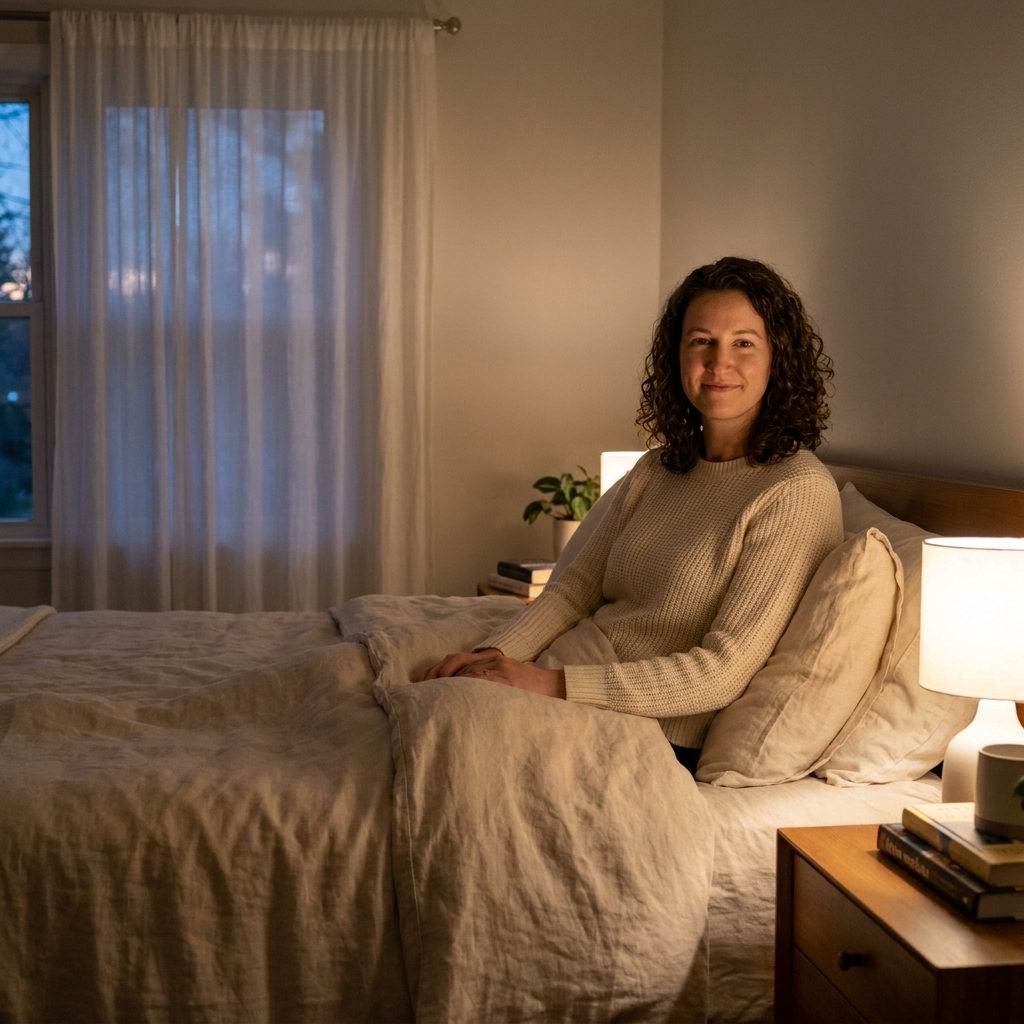
Care tips
- Wash in cool or warm water: Hot water can wear down fibers faster, especially bamboo viscose and lyocell.
- Skip heavy fabric softener: It can leave residue that reduces absorbency and breathability.
- Dry gently: Low heat or line-drying helps prevent pilling and keeps fibers smoother.
- Rotate sets: Giving sheets a rest extends their life and helps them stay crisp.
If you love that extra fresh-sheet feeling, try drying your pillowcases fully, then pulling them off the dryer right away so they do not sit in warm, trapped air.
Thrift tips
Since I mentioned thrift-shopping linens, here are my two quick checks before I bring anything home:
- Tag first: Look for 100 percent linen, 100 percent cotton, or lyocell. If the tag is gone, the next step is feel and light.
- Hold it up to the light: More light passing through usually means more airflow. Not a perfect science, but it is a helpful sniff test in the aisle.
Quick FAQs
Is bamboo cooler than cotton?
Often, yes, especially if you sweat at night. Bamboo-derived viscose and bamboo lyocell tend to wick moisture well and can feel cool to the touch. But a crisp cotton percale can feel just as cooling if you prefer a less silky texture.
Is linen too scratchy for sheets?
Good linen can feel textured at first, not scratchy. It softens a lot with washing. If you are sensitive, start with a linen duvet cover (less direct skin contact) or try a linen cotton blend.
What is the coolest bedding for humid weather?
Eucalyptus lyocell, bamboo lyocell, and linen are my top picks in humidity because they manage moisture well and stay breathable. A lightweight percale can also work beautifully if you prefer crisp over silky.
What should I avoid if I have night sweats?
Polyester-heavy sheets and comforters are the first thing I would swap. Also check your mattress protector, since some waterproof layers trap heat. Choose breathable fibers (cotton percale, linen, bamboo, eucalyptus) and a lighter insert so moisture can evaporate instead of lingering.
A simple combo I love
If you want a no-overthinking setup that works for most hot sleepers, here is my favorite summer mix:
- Sheets: Cotton percale or eucalyptus lyocell
- Duvet cover: Linen
- Insert: Lightweight fill in a cotton shell (or skip the insert and use a quilt on the hottest nights)
- Top layer: Cotton gauze blanket folded at the foot of the bed
- Pillows: Breathable protector plus a cool-feel pillowcase in percale or lyocell
Cozy, inviting, and easy to peel back when your bedroom turns into a sauna. Which, in my experience, always happens the second you finally wash your sheets.