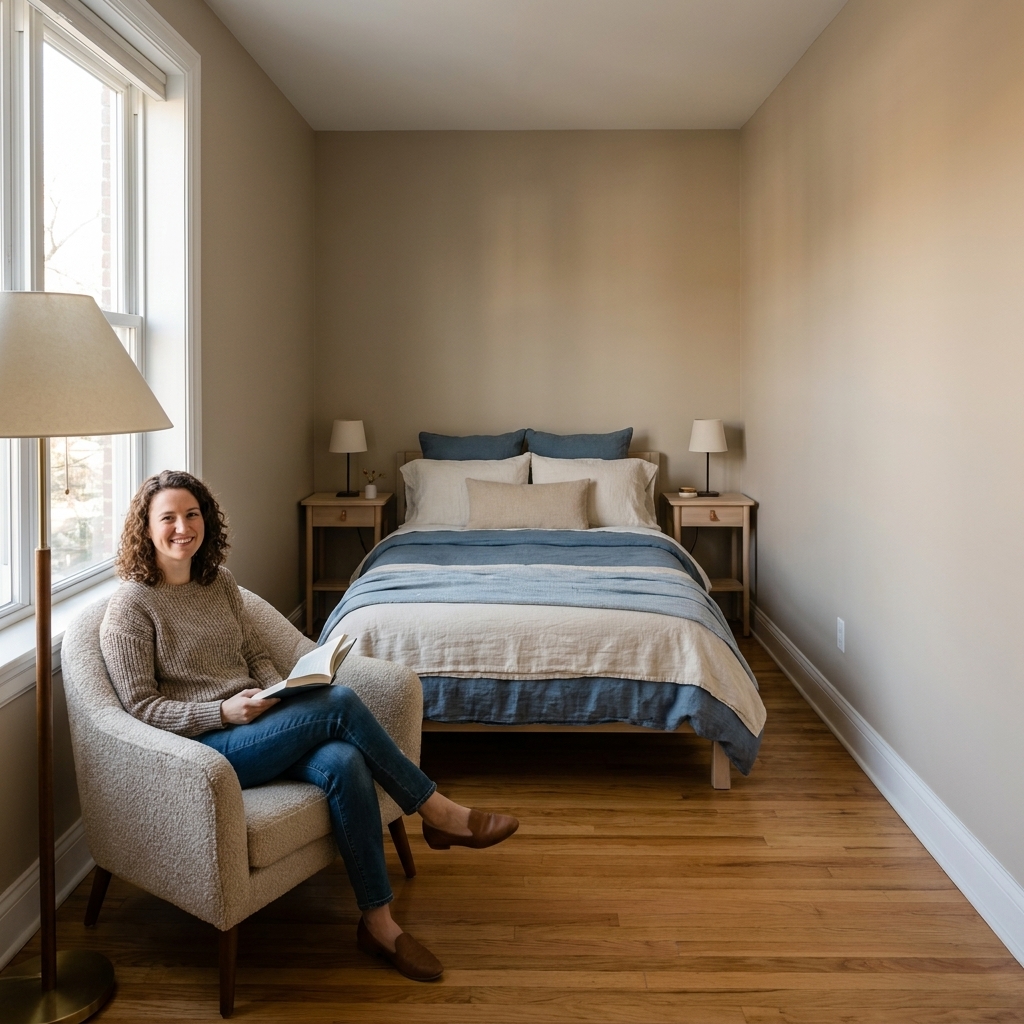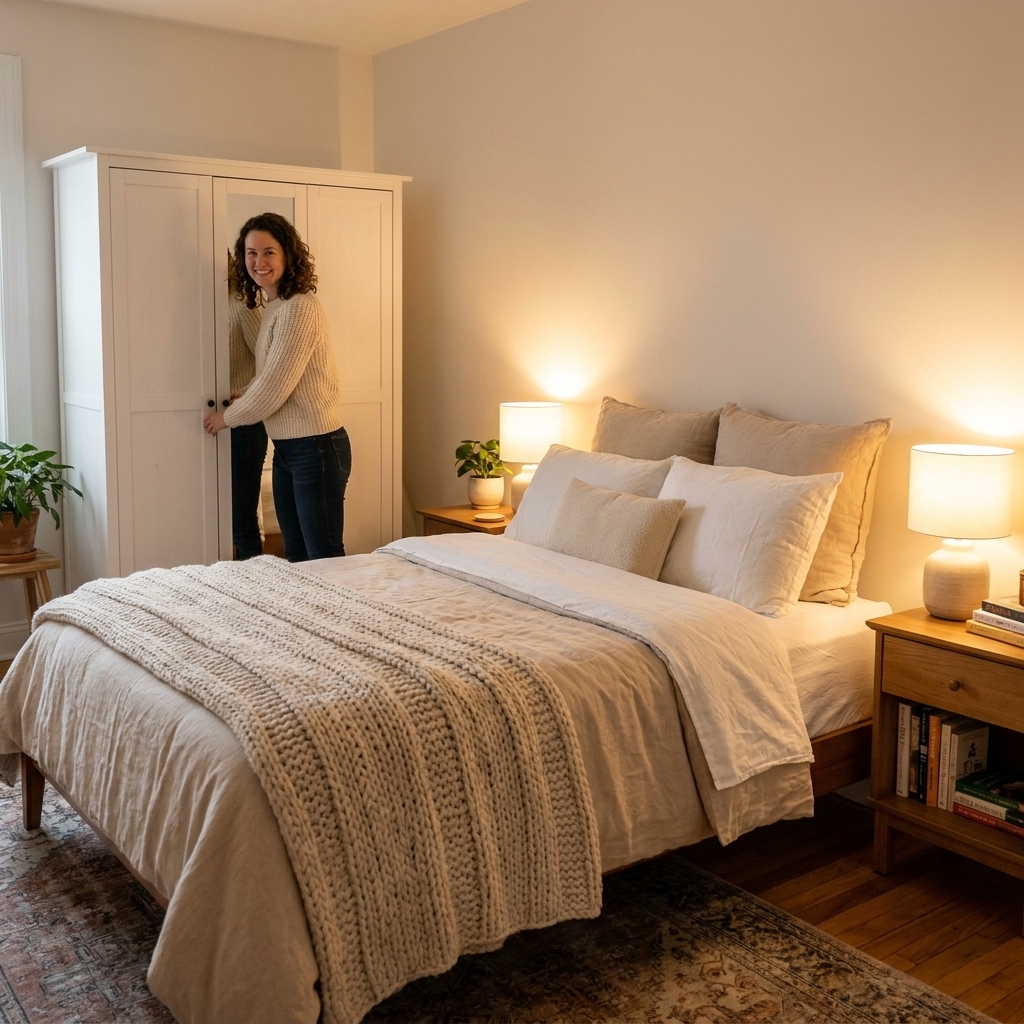
If your bedroom is also your office, your workout spot, and your “please do not look at the laundry pile” zone, floor space becomes your love language. Two of the biggest space-saving contenders are loft beds and Murphy beds, and they solve the same problem in totally different ways.
I have lived through the tiny-apartment shuffle enough times to tell you this: the “best” option is the one that fits your ceiling height, your daily habits, and your tolerance for setup. Let’s figure out which one will actually make your room feel bigger, not just look clever on paper.

Quick definitions
Loft bed
A loft bed lifts your mattress up high, freeing the floor underneath for a desk, dresser, reading nook, or storage. Think vertical living: you keep the bed out all the time, just elevated.
Murphy bed
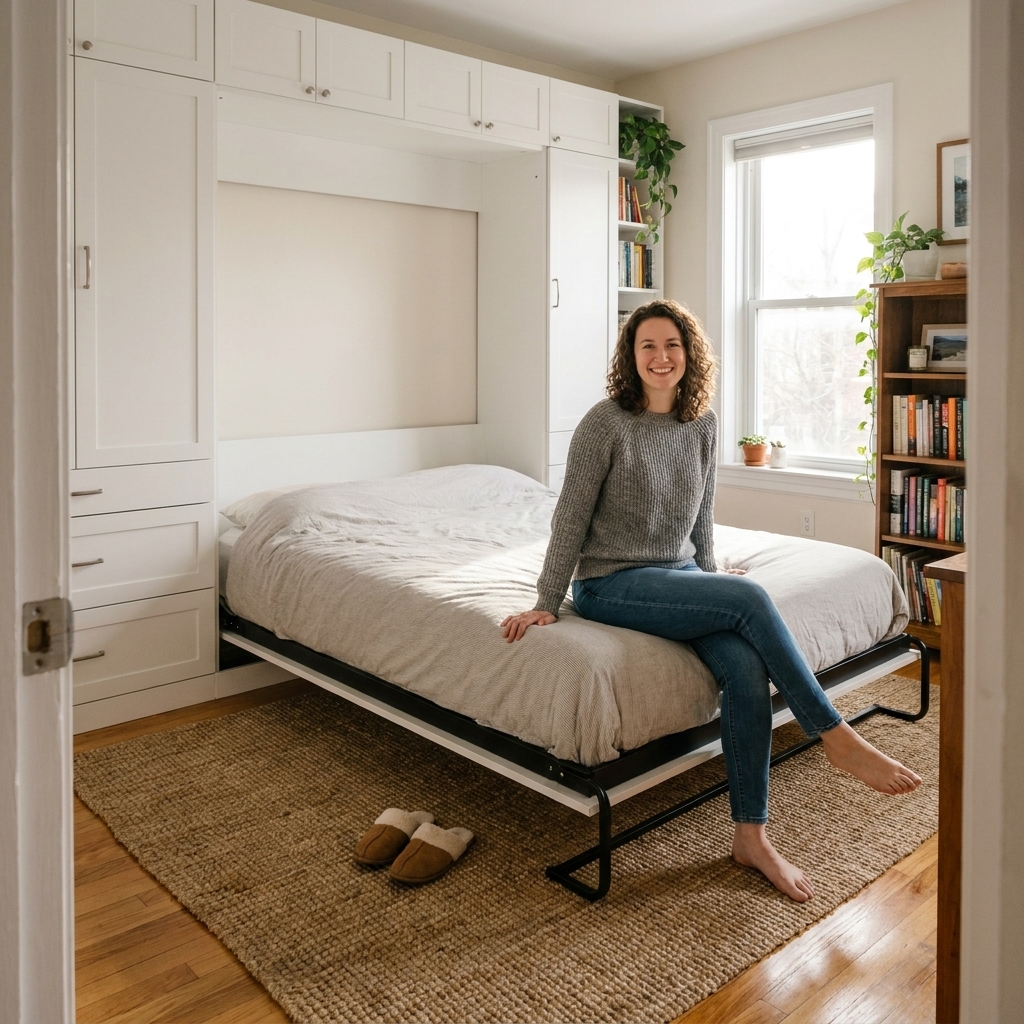
A Murphy bed (wall bed) folds up into a cabinet or wall frame when you are not sleeping. Think transformable living: you get the floor back during the day.
Floor space
Murphy beds win for open floor
If your biggest pain point is having no floor space for yoga, working from home, or just not bumping into furniture, a Murphy bed often comes out ahead. Fold it up and suddenly you have a room again, as long as your wall and budget can support it.
- Best for: studios where the “bedroom” is also the living room
- Biggest perk: the floor becomes flexible space
- Tradeoff: you need clear swing space to fold it down
Loft beds win for a second zone
A loft bed does not give you an open floor plan feel in the same way, but it creates a dedicated zone underneath. That can be a game-changer if you need a desk or storage but cannot fit both a bed and a workstation.
- Best for: tiny bedrooms where you need a permanent work area
- Biggest perk: the space under the bed becomes a real “room within a room”
- Tradeoff: the bed is always visually present, just higher up
Ceiling height and clearance
This is the unglamorous part that saves you from regret.
Loft bed headroom check
Instead of a blanket “8-foot ceilings are fine” rule, aim for a measurable comfort target: most adults are happiest with about 30 to 36 inches of seated headroom above the mattress. Loft comfort depends on deck height, mattress thickness, and your height, so measure, do not guess.
- Measure floor to ceiling.
- Estimate the top-of-mattress height (loft deck plus mattress thickness).
- Subtract that from your ceiling height to see your seated headroom.
- Also check clearance from ceiling fans, pendant lights, and sprinkler heads if you have them.
If your ceilings are on the lower side, a low loft can still help for bins and drawers, or you may be happier with a Murphy bed.
Murphy bed clearance check
Murphy beds care less about ceiling height and more about floor clearance and proper anchoring. You need enough room for the bed to project into the space when open, plus enough wall height for the cabinet.
- Measure wall width and ceiling height for the unit.
- Measure how far the bed projects into the room when open.
- Make sure doors, radiators, and closet access still work.
- Check the manufacturer’s anchoring requirements. Some designs anchor to studs, some to the floor or base plate, and many use a combination.
Best layouts
Loft bed layouts that feel intentional
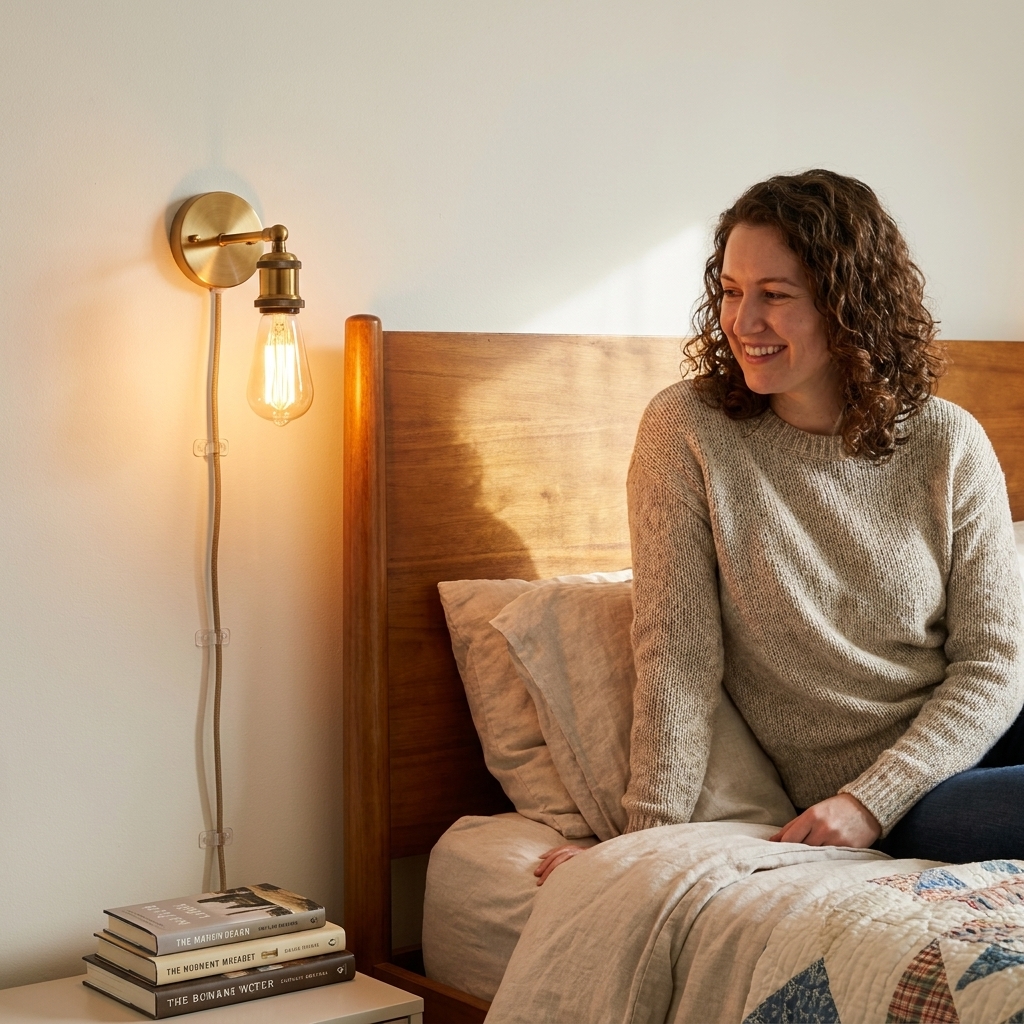
- Desk zone underneath: Put the desk centered under the loft, add a plug-in wall sconce, and treat it like a mini office.
- Dresser wall underneath: Use low dressers or a wardrobe system under the bed for serious storage, and keep heavier pieces fully supported on the floor.
- Reading nook underneath: Two floor cushions, a small side table, and a warm lamp can make the underside feel cozy instead of shadowy.
Sophie tip (from too many tiny-apartment moves): Add light under the loft. A loft bed without lighting underneath can feel cave-like, especially in winter. Stick-on puck lights, a clip lamp, or LED strips tucked behind a rail make a huge difference.
Murphy bed layouts that make the room feel bigger
- Sofa or loveseat opposite the unit: Perfect for studios. Fold the bed down at night, fold it up in the morning, and you have a living room again.
- Desk adjacent to the unit: Choose a desk depth that will not block the bed’s path. If you want the desk to stay put when the bed opens, look specifically for a Murphy system designed for that.
- Storage flanking the unit: Built-ins or tall bookcases can visually anchor the Murphy bed wall.
Sophie tip: Keep the bedding simple if you plan to fold it daily. A breathable duvet with a washable cover and two standard pillows is easier than a mountain of decorative cushions.
Daily life and comfort
Loft bed reality check
- Climbing: If you get up a lot at night, a loft can get old fast.
- Heat: Warm air rises. Loft sleepers often run hotter, especially near ceilings.
- Making the bed: It is doable, just more of a routine. Fitted sheets can be a wrestling match.
- Noise and vibration: Taller lofts can shake or squeak. Tighten bolts periodically and consider anti-slip pads where the frame meets the floor.
Murphy bed reality check
- Setup habit: You will be folding it up and down. Some people love the ritual, others hate it by week two.
- Bedding and mattress limits: Many Murphy systems have mattress height limits and rules about what bedding can stay on when closed. Foam vs innerspring can also affect closing clearance and feel.
- Mechanism feel: A quality mechanism feels smooth and secure. A cheap one can feel wobbly or stubborn.
- Noise: Hardware can creak over time. A well-installed unit is quieter, and occasional maintenance can help.
Safety and compatibility
Loft bed safety basics
- Weight rating: Check the frame rating and remember it is not just your body weight. It is also the mattress plus normal movement.
- Guard rails: Make sure the rails sit high enough above your mattress. Extra-thick mattresses can reduce effective rail height.
- Ceiling clearance: Double-check fans and fixtures, not just the ceiling line.
- Ladder and footing: A secure ladder and a stable, level setup matter more than aesthetics.
Murphy bed safety basics
- Anchor it correctly: Install exactly per the manufacturer instructions. Most units must be anchored to studs, the floor, or both depending on the design.
- Do not rely on drywall anchors alone: A wall bed needs real structure behind it.
- Look for safety features: A reliable latch and anti-tip protection help keep the bed secure when stored.
- Kid safety: Do not let kids operate the mechanism unsupervised.
Storage
Loft beds can be storage heroes
If you are short on closets, a loft bed can give you a whole volume of usable space underneath, but how helpful it feels depends on clearance height and access. The good news is you can customize it.
- Use matching bins for visual calm.
- Choose a curtain or panel if you want to conceal the under-bed zone.
- Add a slim rolling cart for everyday items like skincare or chargers.
- If you are adding shelves, keep heavy storage on the floor, not mounted to the bed frame unless it is designed for it.
Murphy beds can be storage-smart
Some Murphy beds include shelves, side cabinets, or overhead storage. Others are simply a bed-in-a-box. If storage is part of the goal, look for a unit designed as a full wall system.
Renters and installation
Loft bed: often easier for rentals
Many loft beds are freestanding and assemble like furniture. That makes them more renter-friendly, and you can take them with you when you move.
- Look for: sturdy frame, secure ladder, guard rails, and a weight rating that fits your needs
- Watch for: shaking or squeaking, especially with taller frames
Murphy bed: confirm lease and structure
Most Murphy beds require anchoring into studs and or the floor for safety. In a rental, that can be a dealbreaker, or it can be fine with permission and proper patching when you leave. Requirements vary by manufacturer and by wall type, so confirm before you buy.
- Do: confirm stud placement and wall type before buying
- Do: consider professional installation if you are not confident
- Do: check whether your building requires approval for drilling into walls or floors
- Do not: rely on drywall anchors alone for a full wall bed system
Budget
Prices vary wildly by materials, size, and mechanism quality, but here is the practical range most people actually see when shopping:
- Loft beds: often about $200 to $1,500 for common retail options, with higher-end hardwood or custom builds costing more.
- Murphy beds: often about $1,500 to $6,000+ for cabinet and hardware systems, and custom built-in walls can climb higher. Installation may add a few hundred to a couple thousand dollars depending on complexity.
If you are budget-sensitive, remember the extras: mattress, lighting, a rug that fits the new layout, and any storage pieces you need to make the setup function day to day.
Decision guide
Choose a loft bed if you
- need a permanent desk or storage zone
- have enough ceiling height for comfortable seated headroom
- do not mind climbing and prefer a set-it-and-forget-it setup
- want a more renter-friendly, movable option
Choose a Murphy bed if you
- want the room to feel open in the daytime
- use the floor for workouts, entertaining, or flexible seating
- can commit to folding the bed up and down
- are able to anchor the unit safely, and your lease allows it
Styling tips
- Keep your palette calm: In small spaces, repeating colors across bedding, curtains, and rugs makes the room feel less busy.
- Go for cozy lighting: Warm bulbs, plug-in sconces, and one soft lamp beat a single overhead light every time.
- Use a larger rug than you think: A rug that anchors the whole zone makes the room feel bigger and more intentional.
- Pick bedding that behaves: Crisp cotton percale or breathable linen blends look great and are easy to wash in small-load machines.
FAQ
Is a loft bed or Murphy bed better for a studio apartment?
If your studio needs to shift from bedroom to living room, a Murphy bed usually makes the space feel more flexible. If you need a dedicated desk zone and do not want daily setup, a loft bed can be the better workhorse.
Do Murphy beds feel comfortable like a regular bed?
They can, as long as the frame supports a real mattress and you choose a mattress thickness the system is designed for. The comfort mostly comes down to your mattress choice, not the fact that it folds.
Are loft beds safe for adults?
Yes, when you choose a sturdy frame with an appropriate weight rating, solid guard rails, and a secure ladder. Pay attention to mattress thickness since it can reduce both guard-rail effectiveness and seated headroom.
What if I cannot install a Murphy bed because I rent?
Look into freestanding wall-bed cabinets designed to be secured safely, or consider a loft bed, daybed, or a high-storage bed with drawers. The best rental solution is the one you can install safely without stressing about your security deposit.
The bottom line
If you crave open floor space during the day, go Murphy. If you need a second functional zone and can handle the climb, go loft. Either way, the magic is not just the bed. It is what you do with the newly freed space: a calm lighting plan, a storage system that reduces visual clutter, and a layout that lets you move through the room without doing the sideways shimmy.
Once you decide, treat your tiny bedroom like a mini hotel suite: one clear pathway, one cozy light at night, and bedding you actually want to climb into.