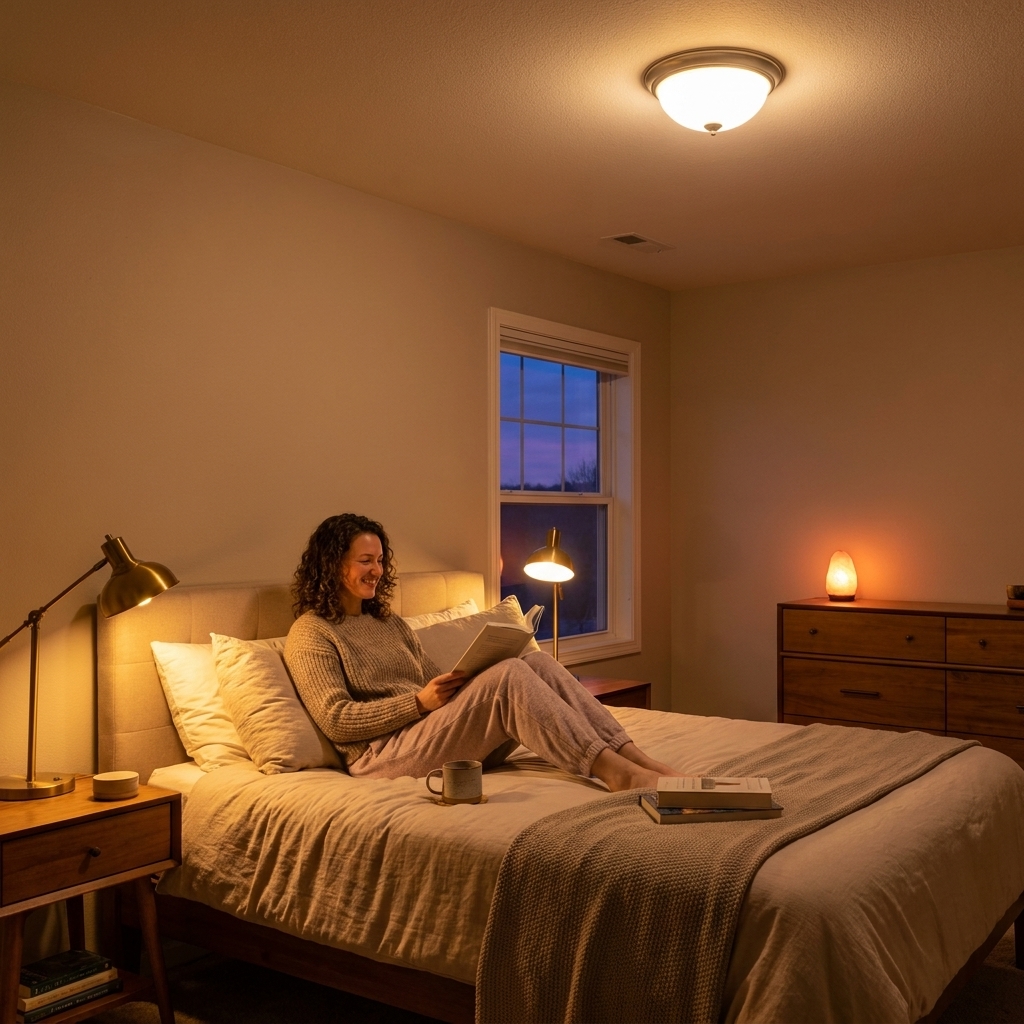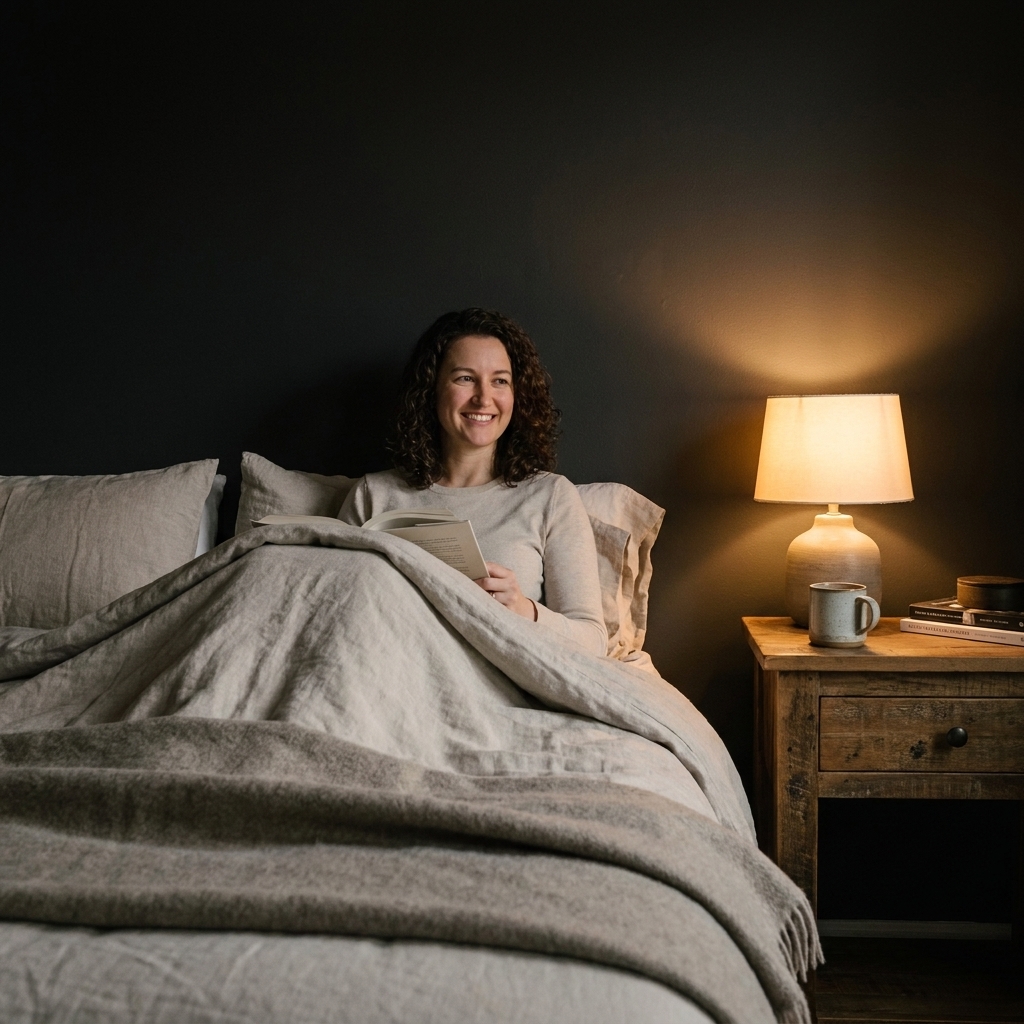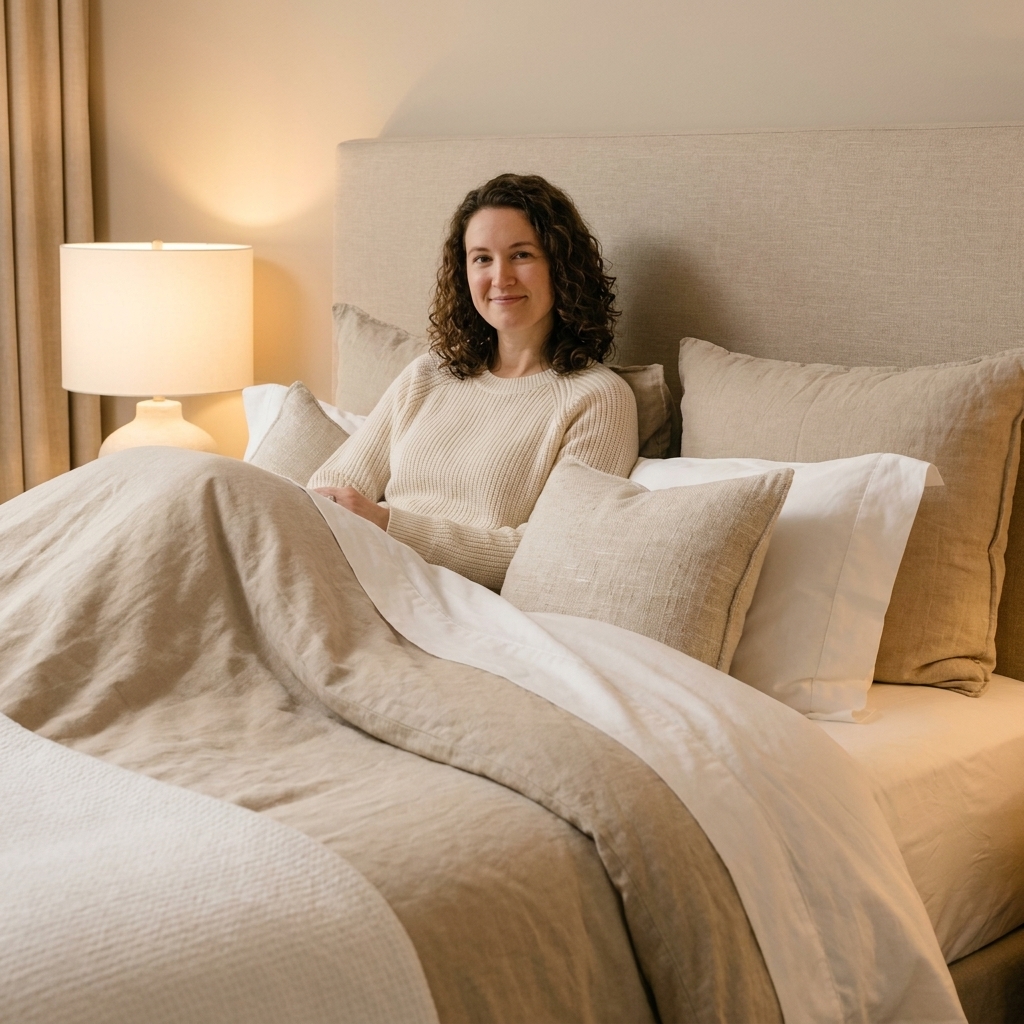
Bedside lighting is one of those small decisions that quietly affects your whole bedroom. How easy it is to read at night, whether the room feels restful or chaotic, and how much usable space you actually have on your nightstand. I have tried all three options over the years in tiny rentals and more permanent setups, and here is the truth: there is no single “best” fixture. There is only what works best for your room, your routine, and your tolerance for cords.
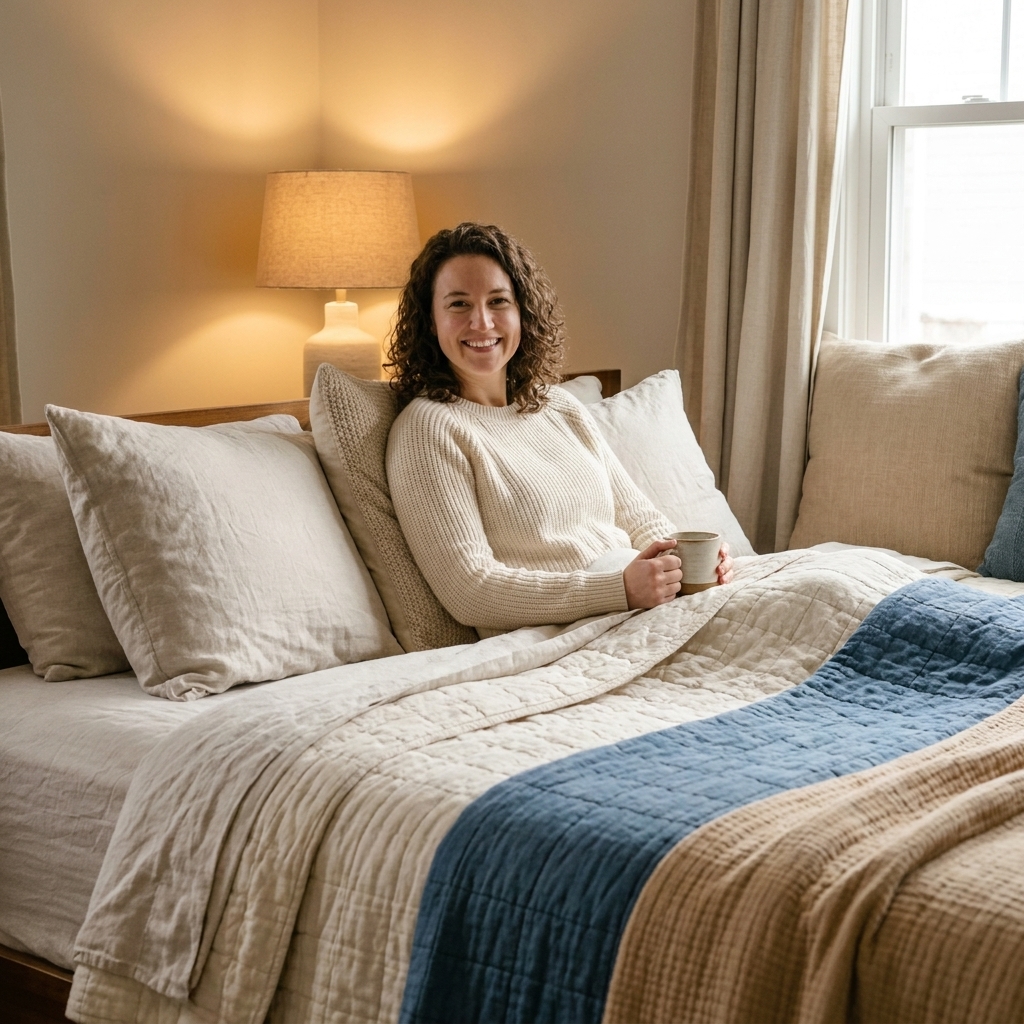
Below, I will break down wall sconces, pendants, and table lamps in a way that helps you choose quickly. Then we will get into placement, bulbs, controls, and the small styling details that make bedside lighting feel intentionally soft.
The quick answer
- Choose wall sconces if your nightstand is tiny, you want a built-in look, or you hate clutter. They are the biggest space-saver.
- Choose pendants if you want a boutique hotel vibe, your nightstands are narrow, or you love a symmetrical statement.
- Choose table lamps if you want the easiest setup, flexible light placement, or you rearrange often.
If you are still torn, ask yourself one question: Do I need my nightstand surface for real life (water, book, charger, hand cream, glasses)? If yes, you will usually be happiest with sconces or pendants.
Wall sconces
Wall sconces are my go-to recommendation for small bedrooms because they give you back the top of your nightstand. That extra square footage matters more than people think, especially if you are working with a 12-inch wide table or a floating shelf.
Pros
- Major space saver, perfect for narrow nightstands or no nightstand at all.
- Feels built in and polished, even in a rental if you choose plug-in versions.
- Great for reading when you pick an adjustable arm or a shade that directs light downward.
- Cord control is easier because everything can be routed straight down behind furniture.
Cons
- Placement matters. Too high or too far back, and you get glare or shadows.
- Hardwired installs cost more and are not always renter-friendly.
- Not as flexible if you love rearranging furniture every season.
Best for
- Small bedrooms and tight walkways
- Minimalist nightstands and floating shelves
- Couples who want individual control on each side
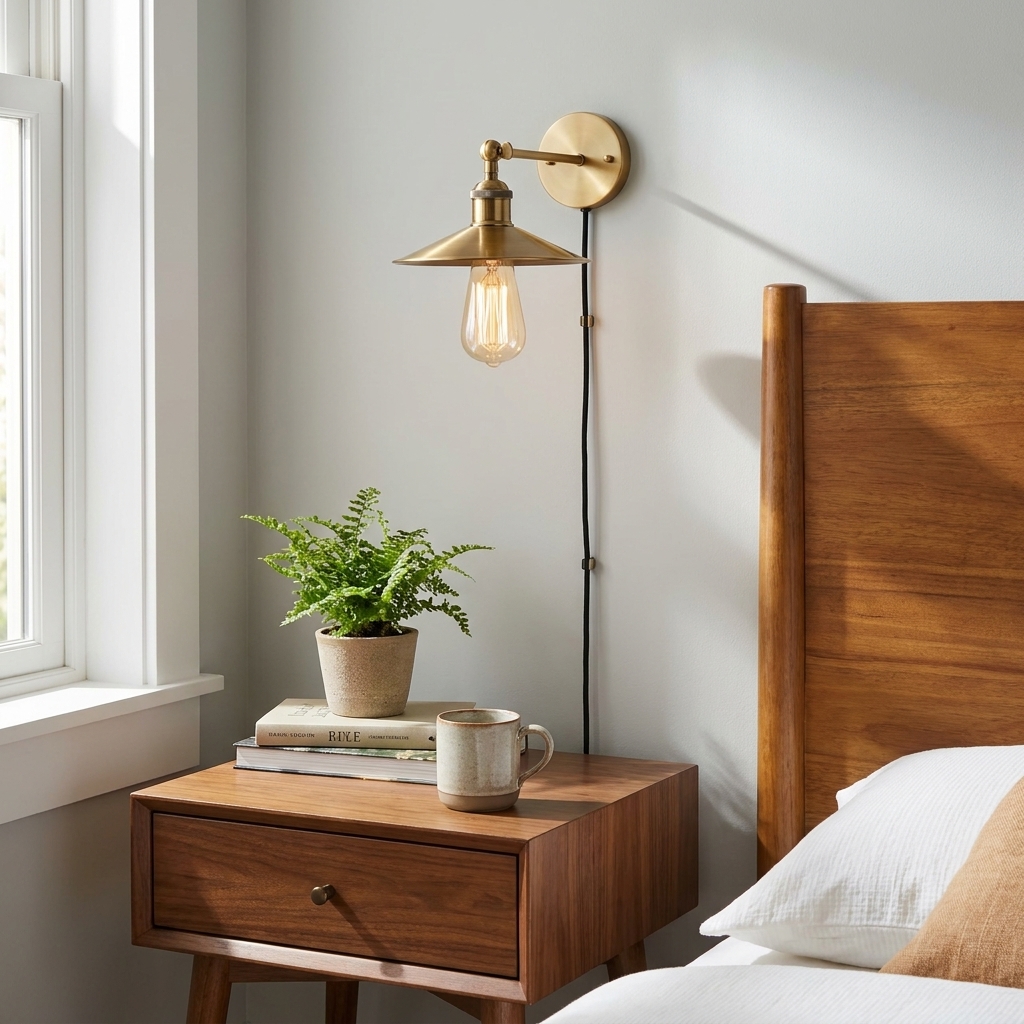
Sophie’s styling tip
If you go with sconces, pick a finish that “talks to” something else in the room so they feel intentional. Matte black can echo picture frames. Aged brass can echo a mirror. White can disappear into a light wall and let textiles shine.
Pendants
Pendant lights flanking a bed are a fast way to get that boutique-hotel calm. Because they hang from above, they keep the nightstand clear like sconces do, but they add softness and a little drama.
Pros
- Frees up nightstand space while still providing generous light.
- Visually light, great if your room feels cramped or you have a tall headboard.
- Strong style payoff, especially with linen, paper, rattan, or glass shades.
- Creates symmetry even if your nightstands are mismatched thrift finds.
Cons
- Can swing if the cord is long and gets bumped.
- Glare risk if the bulb is visible and you lie directly under it.
- Installation can be tricky if you need ceiling power where you want them.
Best for
- Statement-making bedrooms and hotel-inspired styling
- Very narrow nightstands or wall-mounted shelves
- High ceilings or rooms that need more vertical interest
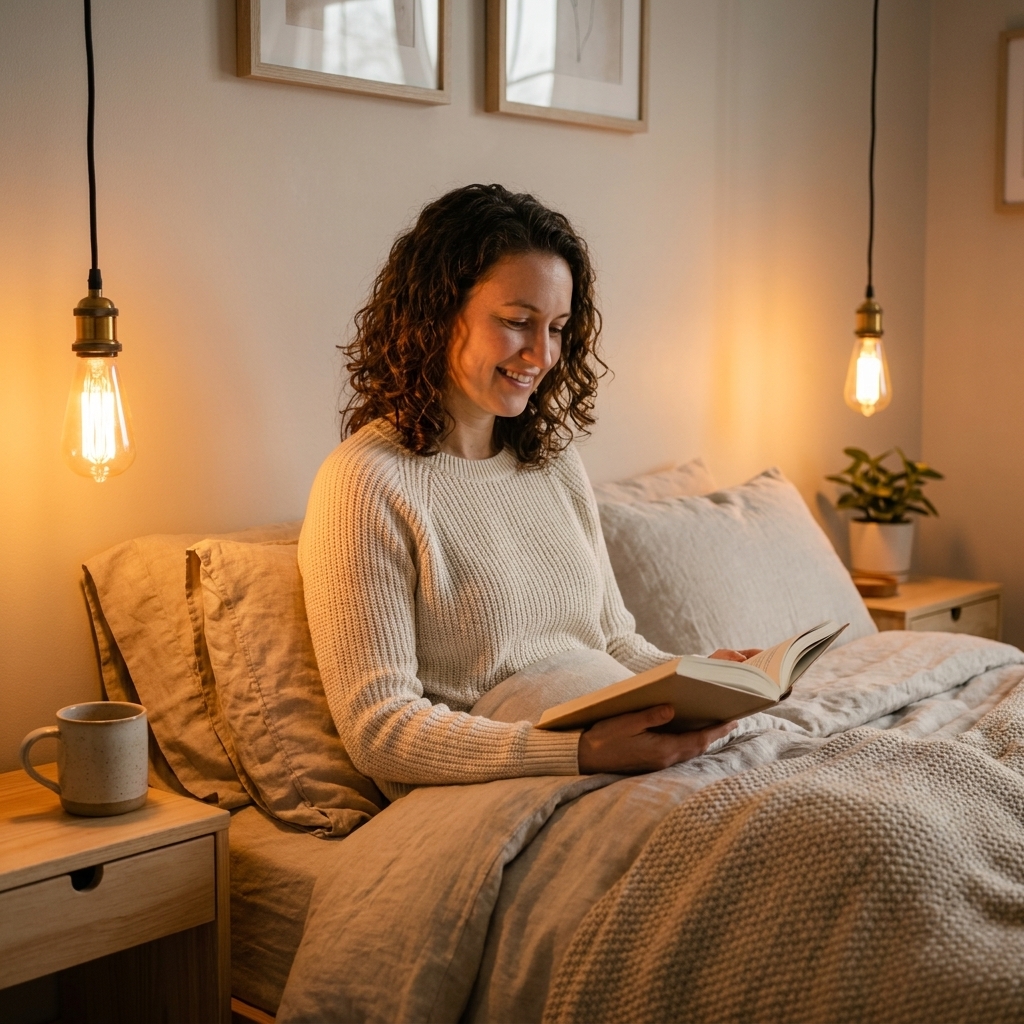
Sophie’s styling tip
If you love pendants but worry about harshness, choose an opaque or linen shade that hides the bulb. Then use a warm, dimmable LED. That combo is instant wind-down energy.
Table lamps
Table lamps are popular for a reason: they are simple. No measuring on the wall, no ceiling swag kit decisions, no “oops, that’s not centered” moments. And if you are someone who constantly tweaks their room, table lamps are the most forgiving.
Pros
- No installation. Plug in, style, enjoy.
- Easy to move if you rearrange, change beds, or shift your nightstand.
- Huge variety of sizes, shades, and price points, including amazing thrift finds.
- Soft ambient glow is easy to achieve with fabric shades.
Cons
- Takes up surface area, which can feel cluttered fast.
- Cords can get messy unless you intentionally manage them.
- Wrong size is common. Too small looks skimpy, too big overwhelms the nightstand.
Best for
- Renters who want zero holes and zero fuss
- Bedrooms where the nightstand is generously sized
- Anyone who loves swapping shades seasonally
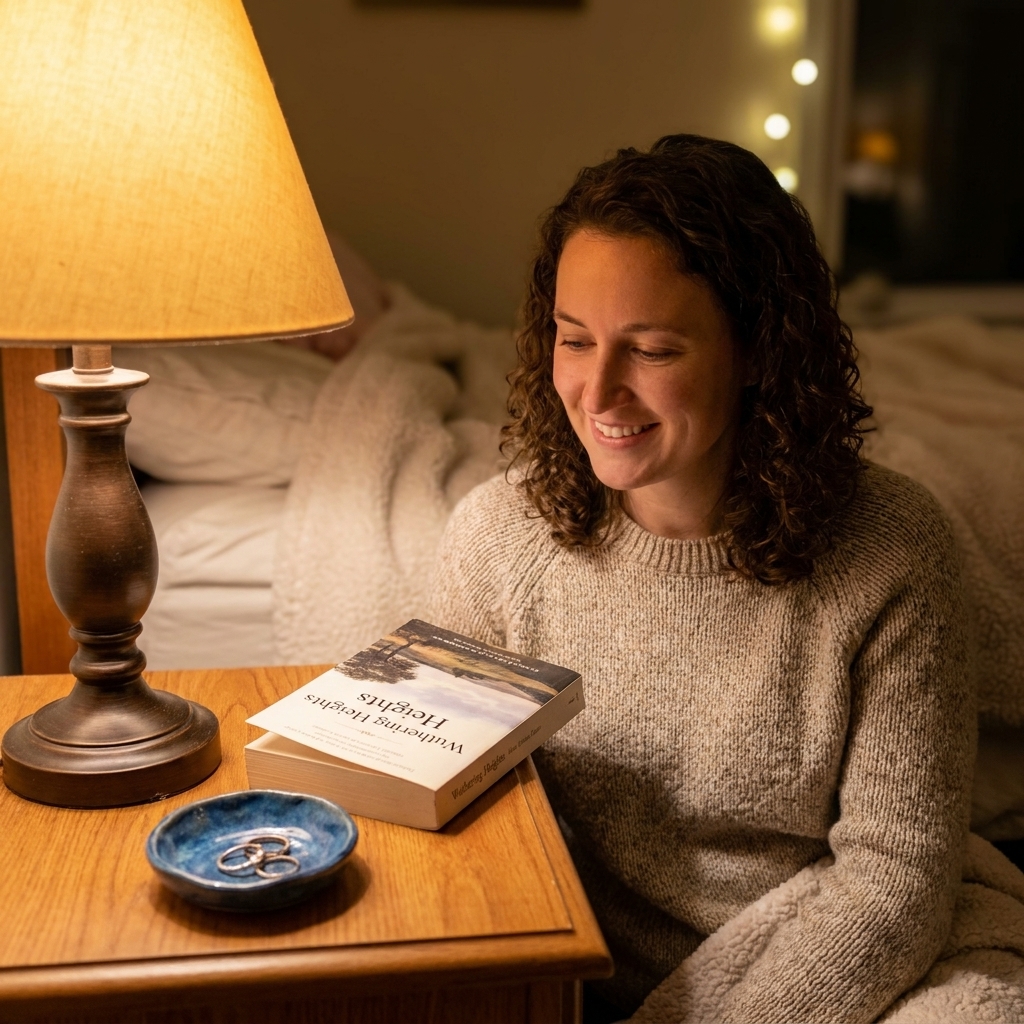
Sophie’s styling tip
If your nightstand is small but you still want a table lamp, go for a tall, narrow base (like a candlestick shape) and a shade that is not wider than the nightstand. It keeps things from feeling top-heavy.
What matters most
1) Nightstand space
If your nightstand is doing triple duty, choose a wall sconce or pendant. If your nightstand is mostly decorative, a table lamp can be a cozy anchor.
2) Your bedtime routine
- You read in bed nightly: choose an adjustable sconce, an adjustable table lamp, or a pendant that drops low enough to light pages without blasting your partner. (This is also where dimming really earns its keep.)
- You scroll then sleep: prioritize warm, dimmable light to avoid that “wide awake” feeling.
- You get up often at night: think in layers, like a bedside light plus a very low-glow night light, so you are not flipping on overhead lighting.
3) Wiring and renter reality
Hardwired sconces and ceiling pendants can be amazing, but plug-in options have come a long way. If you rent, look for:
- Plug-in wall sconces with cord covers you can paint to match the wall
- Swag pendants that plug into a standard outlet and drape from a ceiling hook
- Table lamps with in-line dimmers or smart bulbs for easy control
4) Switches and controls
This is the comfort detail people forget until the first night. Ideally, you should be able to turn your light on and off while sitting or lying in bed. For couples, two independent controls matters more than matching fixtures.
- Built-in switches: rocker switch on the base, pull chain, or a knob you can reach without getting up.
- In-line cord switches: a great fix for plug-ins when the outlet is awkward.
- Smart bulbs: easy dimming and schedules, plus you can add a small smart button on the nightstand so you are not hunting for a cord switch in the dark.
5) Light layering (beyond the bedside)
The most comfortable bedrooms usually have three layers: ambient light (overall glow), task light (reading), and low night lighting (a gentle path for late-night trips). One bedside light can do a lot, but layering is what makes the room feel settled.
Placement basics
These measurements are starting points, not strict rules. Your height, mattress thickness, headboard height, and where you like to sit in bed can shift them.
Wall sconces: height and spacing
- Height: often looks best when the bulb or brightest part lands roughly around shoulder to eye level when you are sitting up in bed. In many rooms that is generally about 50 to 60 inches from the floor, but headboards (and tall mattresses) change the math.
- Distance from bed: many people place a sconce about 6 to 12 inches outside the edge of the mattress so you are not bumping it, but it still lights your reading zone.
- Shade direction: for reading, a downlight or adjustable arm usually beats a globe that throws light everywhere.
Pendants: how low to hang
- As a helpful rule of thumb, the bottom of a bedside pendant often looks right around the top third of your headboard, or simply low enough to light the nightstand surface without shining directly into your eyes.
- If the bulb is visible, hang it a bit higher and use a frosted bulb or a shaded pendant to reduce glare.
Table lamps: the shade check
- When you sit on the bed, the bottom of the lampshade generally looks best around chin to shoulder height. If you can see the bulb easily, it is usually too tall or the shade is too short.
- Keep the lampshade diameter in proportion. Ideally, the shade is no wider than the nightstand.
Bulbs and brightness
You can buy the prettiest fixture on earth and still hate it if the bulb is wrong. For bedrooms, I keep it simple:
- Color temperature: choose 2700K for warm, relaxing light. If you want extra warm, look for 2200K to 2400K “candlelight-like” bulbs. (True candlelight is typically even warmer, but this range gets you that amber, wind-down feeling without going orange.)
- Brightness: for a bedside light that can handle reading, many people land somewhere around 450 to 800 lumens, depending on shade opacity and distance. If your shade is opaque or you like a brighter page, start closer to 600 to 800 lumens and plan to dim down for evenings.
- Dimming: if you do one upgrade, make it dimmable. A dimmer switch, an in-line cord dimmer, or a smart bulb lets one light do both jobs: reading and winding down.
- Shade choice matters: linen and cotton shades soften. Clear glass brightens. Opaque shades hide the bulb and reduce glare.
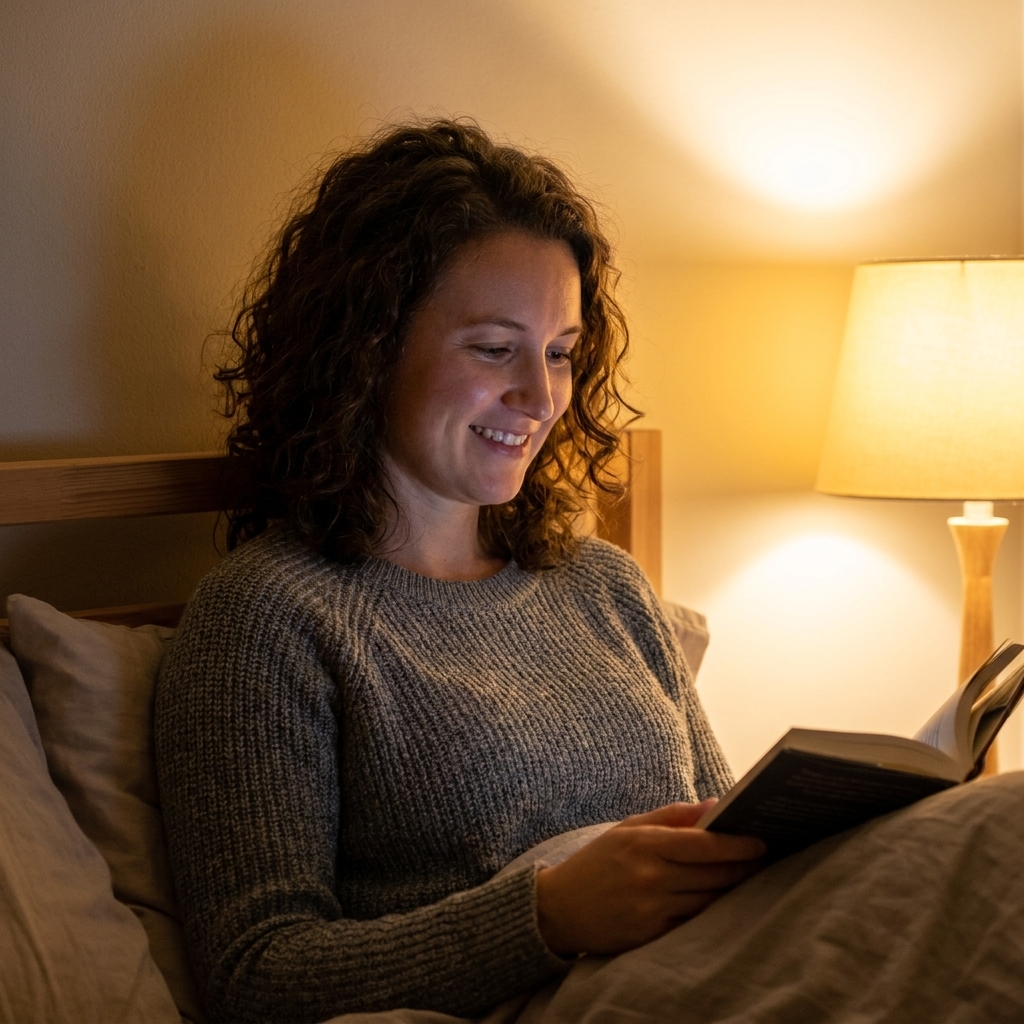
If you share a bed, dimming is also the most relationship-friendly feature. One person can read without turning the room into a spotlight.
Favorite setups
Tiny nightstand fix
Plug-in wall sconce + floating shelf. You get a place for your essentials without sacrificing floor space, and it looks intentional rather than improvised.
Boutique hotel look
Two pendants + matching warm bulbs + crisp bedding. Keep the pendants simple and let texture do the heavy lifting, like linen sheets and a quilted coverlet.
Thrifty classic
Two mismatched thrifted lamps with matching shades. This is my favorite way to make secondhand finds look curated. Matching shades create unity even if the bases are different materials.
Best of both worlds
Sconce for reading + soft lamp across the room. Layering light makes a bedroom feel more relaxed, and it avoids that harsh “single light source” look.
Common mistakes
- Mistake: The bulb is visible and blinding. Fix: swap to a lower-lumen bulb, add a shade, or choose frosted glass and dimmable LEDs.
- Mistake: Lamps are too small for the nightstand. Fix: go taller, or choose a wider shade that balances the scale.
- Mistake: One side of the bed is bright, the other is dark. Fix: match bulb warmth and brightness, even if the fixtures differ.
- Mistake: Cord chaos. Fix: run cords behind furniture, use adhesive cord clips, and keep slack off the floor.
- Mistake: Only overhead lighting. Fix: add at least one warm bedside light source for evenings.
Safety and install notes
Always follow the manufacturer’s instructions for mounting and bulb type. Use appropriate wall anchors for your wall material, and if you are hardwiring (or unsure about wiring at all), it is worth hiring a licensed electrician. In rentals, confirm what your lease allows before drilling or installing ceiling hooks.
FAQ
Are wall sconces good for reading in bed?
Yes, if you choose the right style. Look for an adjustable arm or a shade that directs light down onto your book, plus a warm, dimmable bulb so you can soften it before sleep.
Do pendants work with a tall headboard?
They can look great. Just make sure the pendant drops low enough to be useful but not so low that it visually fights the headboard. A slightly larger shade often balances tall headboards nicely.
What if I only have one outlet near the bed?
Consider a plug-in sconce on one side and a lamp on the other, or use a quality power strip mounted discreetly behind the nightstand. Smart bulbs can also reduce the need for extra switches and add dimming without rewiring.
Should bedside lights match?
Not necessarily. Matching creates a calm, symmetrical look. Mixing can feel collected and personal. If you mix, keep at least one element consistent, like shade color, bulb warmth, or metal finish.
My bottom line
If you want the most practical, space-saving option, choose wall sconces. If you want a statement that feels airy and elevated, choose pendants. If you want simple, flexible, and renter-proof, choose table lamps.
And if you remember nothing else: prioritize warm, dimmable light. It is the secret ingredient that takes a bedroom from “fine” to genuinely restful.