Picking where your bed goes feels like a design decision, but it is really a daily life decision. It affects how you walk through the room half asleep, how calm the space feels at night, and whether your bedroom looks intentionally styled or like you just shoved furniture wherever it fit.
I have moved more beds than I can count in rentals, tiny studios, and awkward old houses. The good news: there are only a few common placement options, and each one has clear strengths and tradeoffs. Let’s break down the big three: against a solid wall, under a window, and angled across a corner.
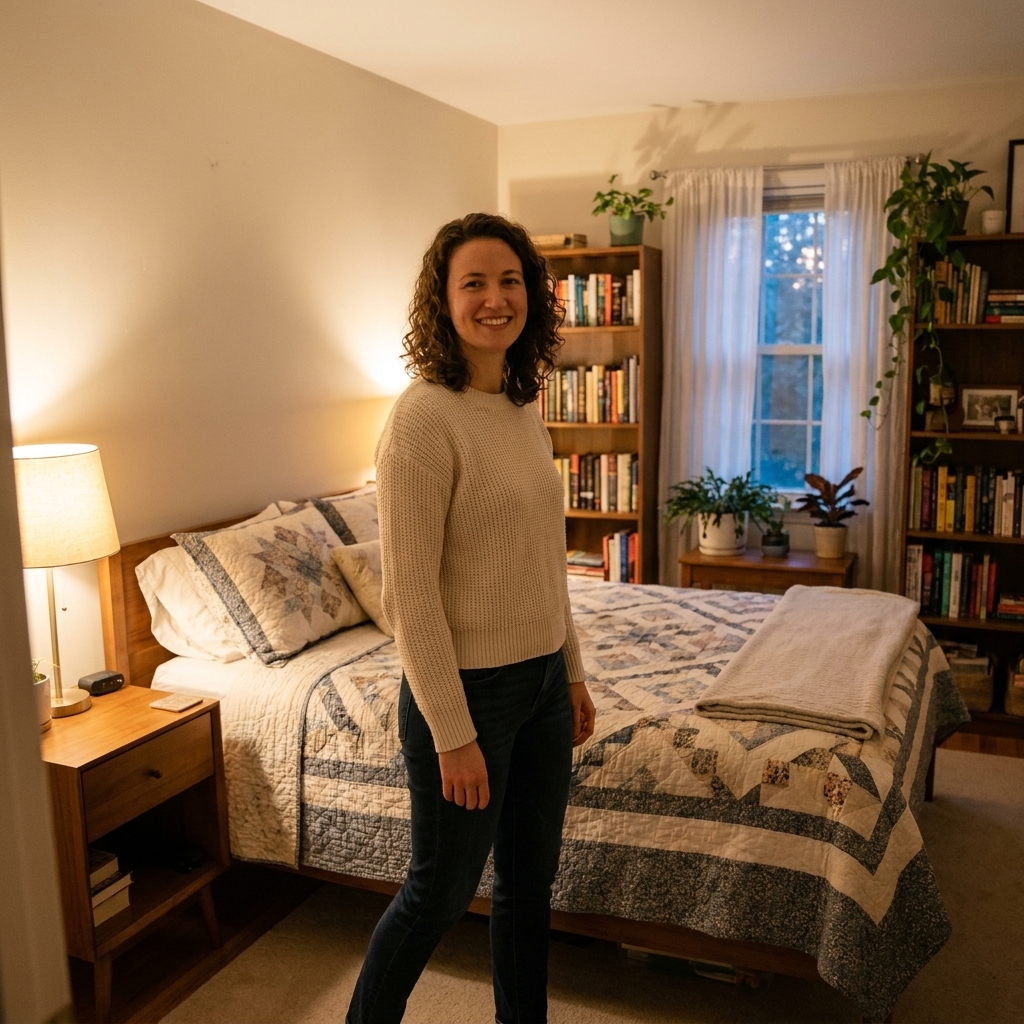
Before you move anything: the quick layout checklist
Whenever I help a friend rearrange, we do the same five-minute scan first. It saves so much back-and-forth.
- Find the natural “anchor” wall. Usually it is the longest uninterrupted wall, or the wall you see first when you walk in.
- Check door swing and closet access. You want doors to open fully without smacking the bed or forcing you to shimmy sideways.
- Measure your clearances. If you can, aim for 30 to 36 inches of walkway on the sides you use most. If space is tight, 24 inches can work as a practical minimum. If you can only have one clear side, make it the side you get out of bed on.
- Notice vents, radiators, and outlets. Try not to block airflow. Keep bedding and curtains from draping over heaters or radiators. And make sure you can plug in a lamp or charger without an extension cord maze.
- Make sure the room still feels safe. Do not block the path to the door, and keep easy access to any window you might need in an emergency. If your window is the only practical second exit, do not bury it behind a headboard you cannot move easily.
- Decide what matters most. Symmetry, sunlight, a view, more floor space, or fitting a dresser. There is no perfect layout, just the best one for your room and routines.
Option 1: Bed against a solid wall
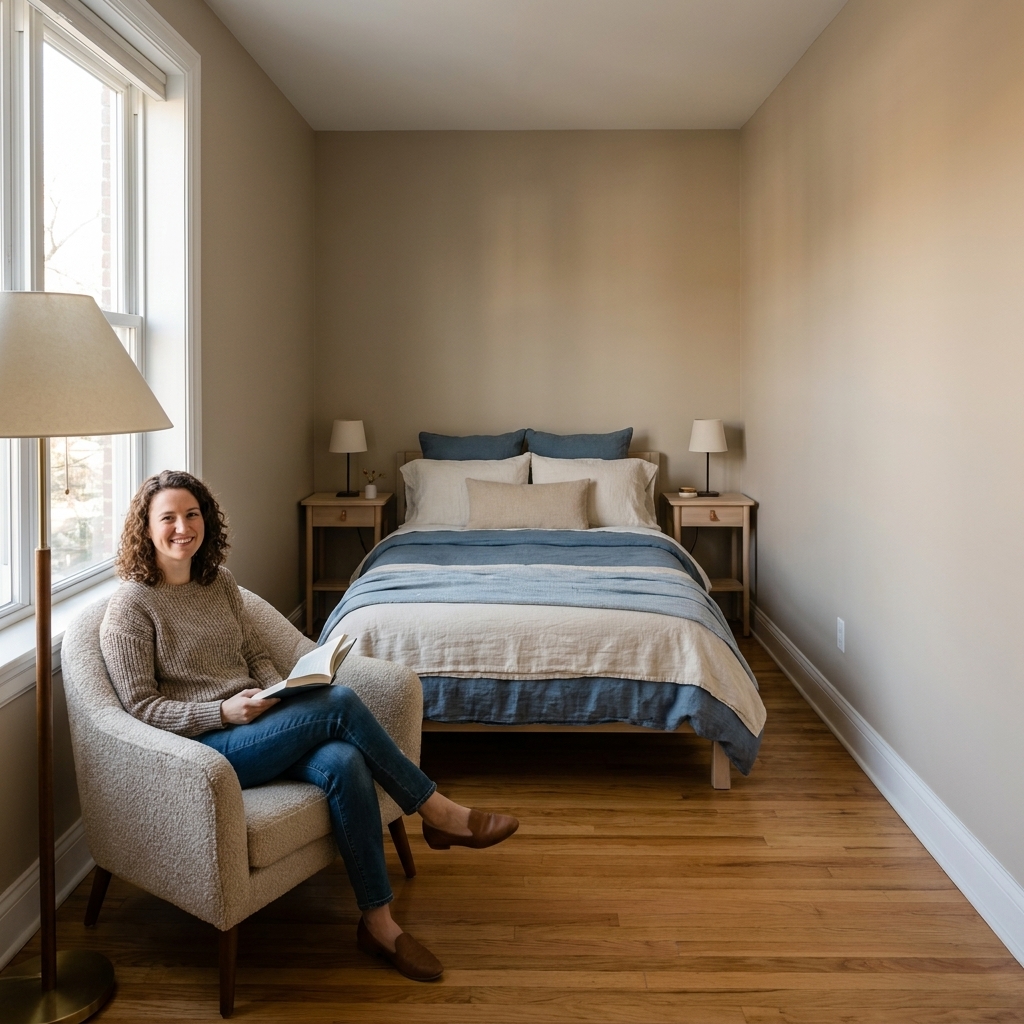
This is the classic for a reason. A solid wall gives your bed a strong visual “home base,” and it tends to create the cleanest, calmest layout.
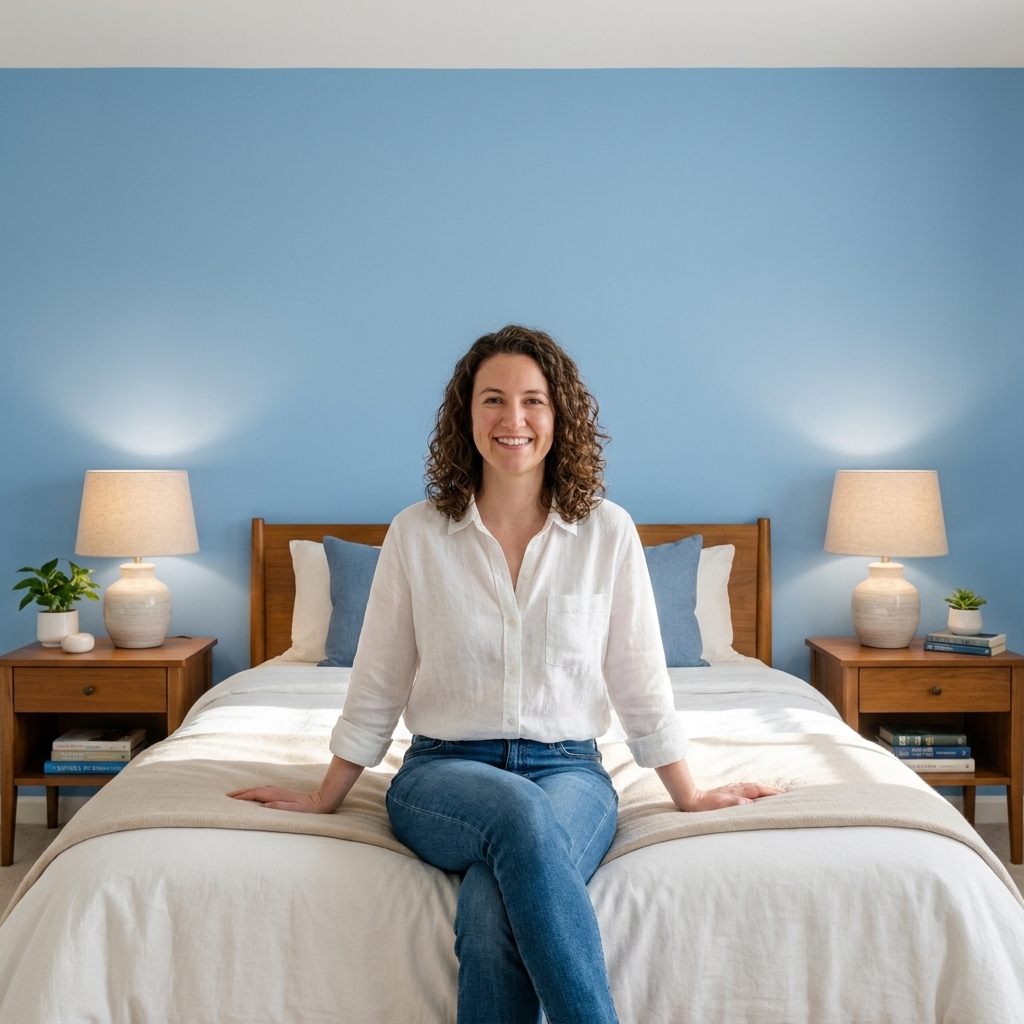
Pros
- Most stable and quiet. No headboard tapping a window frame. Fewer drafts sneaking in behind your pillows.
- Easiest to style. Centered bed, matching nightstands, balanced lighting, done. Even mismatched thrifted pieces look cohesive when the bed is grounded.
- Often the calmest for sleep. Many people find a solid wall behind the headboard feels more settled, plus it is easier to control glare, drafts, and bedside lighting.
- More options for art and lighting. Wall sconces, a large piece of art, a picture ledge, or a tapestry all work beautifully here.
Cons
- May eat the “best” wall. If the only solid wall is also where your dresser should go, you will have to prioritize.
- Can feel tight in very narrow rooms. If centering the bed leaves you with tiny slivers of space on both sides, it can be annoying day-to-day.
- Sometimes puts the bed too close to the door. In small rooms, the bed can end up right in the entry line, which feels less restful.
Best for
- Most bedrooms, especially if you want an easy, hotel-like look
- People who love symmetry and matching lamps
- Sleepers who are sensitive to light, sound, or temperature shifts
Styling tips
- Fake built-in coziness. Place a low bookcase or slim console behind the headboard if you cannot mount shelves. Instant “designed” moment, renter-friendly.
- Layer the wall. Try one oversized piece of art, or a trio of thrifted frames with soft-toned prints. Keep it calm above the bed.
- Lighting rule: if you can, do two light sources near the bed. Two matching lamps are great, but two different lamps in the same color temperature is also great.
Option 2: Bed under a window
Putting the bed under a window is one of those layouts people either love or avoid completely. Sometimes it is the only way a room works. Sometimes it is the coziest choice you could make.
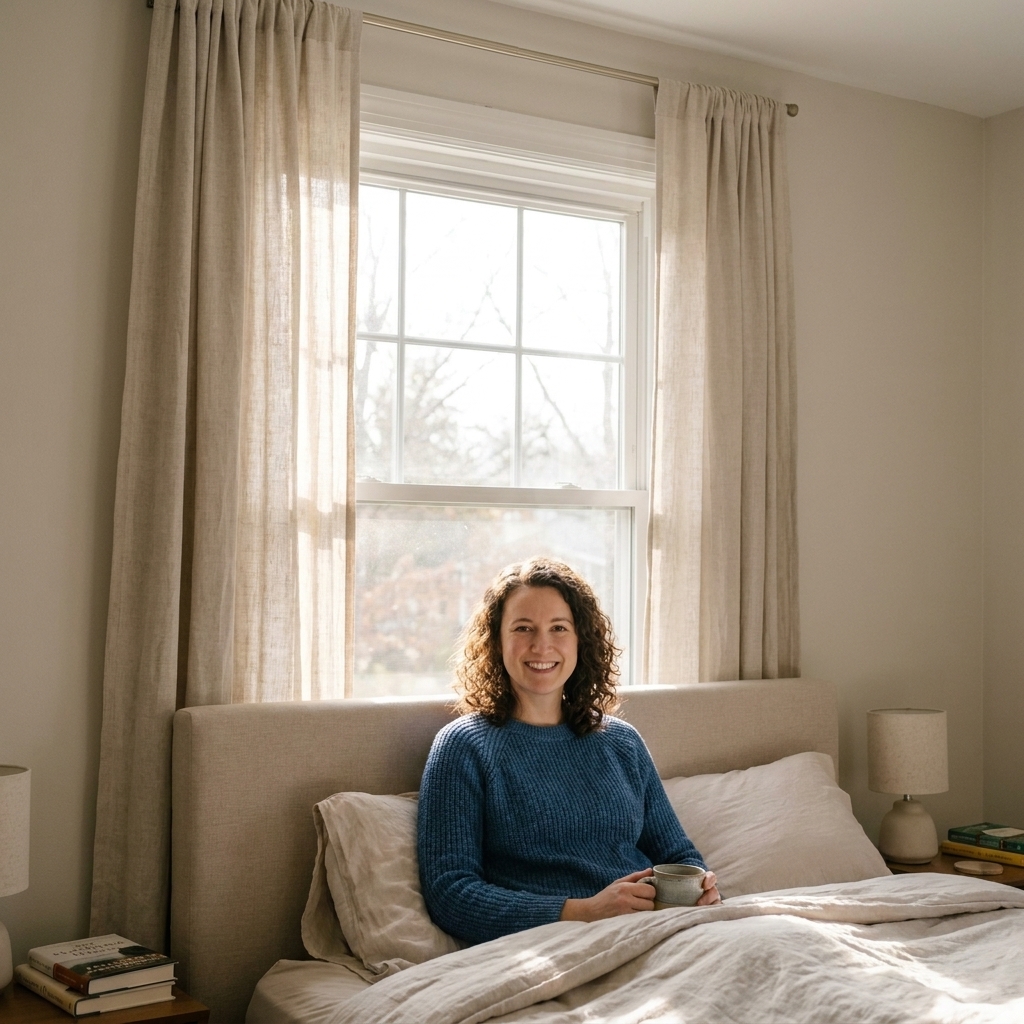
Pros
- It can be the only layout that makes sense. Especially in older homes where every other wall is a door, closet, or radiator.
- Great natural light. If you like waking up with the sun, this placement delivers.
- Feels airy and romantic. With the right curtains, it can look dreamy, like a boutique guesthouse.
- Opens up a solid wall for storage. You might gain a full wall for a dresser, wardrobe, or desk.
Cons
- Drafts, heat, and noise. Older windows can run chilly and street-facing windows can be loud. Morning sun can also be intense.
- Headboard challenges. Tall headboards can block the window or look awkward. No headboard can feel unfinished.
- Curtains become high stakes. You will notice them every day. Flimsy panels that gap in the middle equal 6 a.m. wake-ups.
- Access can be annoying. If you open the window often, you do not want to climb over your pillows to do it.
- Safety and heat can be trickier. If the window is an important exit point, keep it reachable. If there is a radiator or baseboard heater below, keep bedding and curtains clear so heat can circulate safely.
Best for
- Rooms with limited solid wall space
- People who love bright mornings and do not mind some daylight
- Bedrooms where you can invest in great window treatments
How to make it work
- Prioritize a low headboard. Upholstered, rattan, or a simple wood frame that sits below the sill looks intentional.
- Go big on curtains. Hang the rod wider than the window and higher than the frame so panels stack off the glass. Add blackout lining if you are light-sensitive.
- Create a buffer. A thick headboard, a bolster pillow, and a warm throw add literal and visual insulation.
- Mind heat and airflow. Leave breathing room near radiators, vents, and baseboard heaters so you are not roasting all night and nothing is trapped behind the bed.
Option 3: Bed across a corner
Angling the bed can feel bold and a little unexpected, which is exactly why it can be magic in weird rooms. It is also one of the easiest ways to soften harsh boxy layouts.
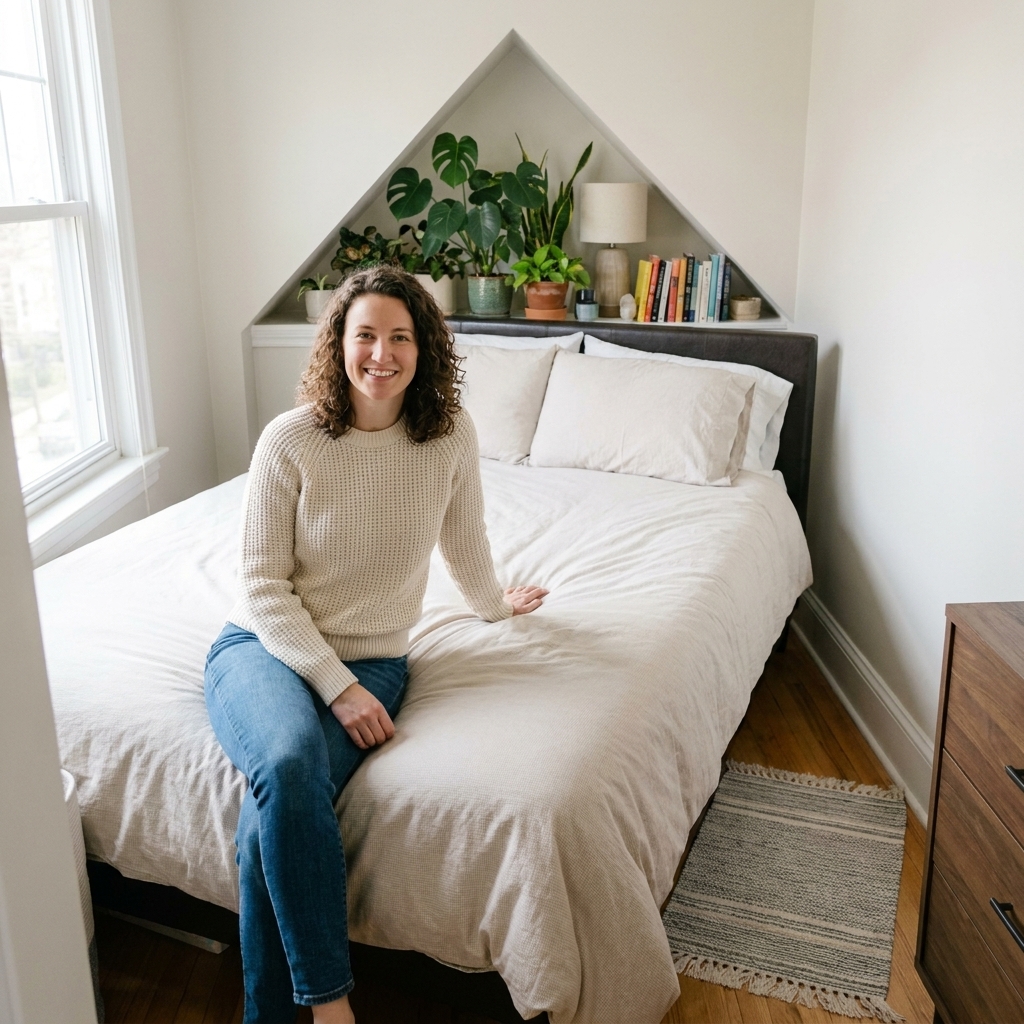
Pros
- Solves awkward architecture. If your room has too many doors, odd bump-outs, or a corner window, an angled bed can be the layout that finally feels “right.”
- Creates a cozy nook effect. The bed becomes its own little zone, especially with soft lighting.
- Can improve circulation. Sometimes angling opens up a pinch point near the door or closet.
- Looks styled on purpose. It gives “I made a choice,” which can elevate a basic rental room.
Cons
- Wasted space behind the bed. That triangle gap can be dead space if you do not plan for it.
- Harder to do matching nightstands. You often end up with one nightstand or a small shelf instead of a pair.
- Can feel visually busy. Angles add energy. If you crave calm minimal lines, it might not be your favorite.
- Bedding fit matters. Oversized bedding spilling into the walkway can make the room feel crowded fast.
Best for
- Small bedrooms with tricky door or closet placement
- People who want a cozy, cocooned feel
- Rooms where symmetry is not possible anyway
How to make it look intentional
- Claim the triangle. Put a tall plant, a floor lamp, or a slim corner shelf behind the bed so the gap becomes a feature, not an accident.
- Use a headboard if you can. Upholstered headboards soften the angle and make the bed look grounded.
- Pick one bedside surface. A small round table or wall-mounted shelf on the “open” side keeps things functional without forcing a mismatched pair.
- Light it warmly. A floor lamp with a soft bulb instantly makes angled placement feel like a nook.
Which placement has the best layout?
If you are torn, here is my real-world way to decide: prioritize your walkway first, then your light, then your styling preferences.
- Best layout most of the time: bed against a solid wall, ideally centered with comfortable walk space on both sides.
- Best layout when you need storage: bed under a window, freeing a solid wall for a dresser or wardrobe.
- Best layout in an awkward room: angled bed across a corner, especially when it fixes a tight doorway or closet pinch point.
One more tip: take a quick photo from the bedroom doorway after each test layout. Your camera sees clutter and awkward spacing way faster than your eyes do.
Common bed placement issues
“My bed blocks the closet.”
Try sliding the bed 4 to 8 inches away from the closet wall, even if it breaks perfect centering. If that still fails, consider angling the bed or switching to a narrower nightstand on the closet side.
“There’s only room for one nightstand.”
That is completely fine. Balance the other side with a floor lamp, a wall sconce, or a small stool that can double as a landing spot for a book and water glass.
If you are working with a tiny clearance, a wall-mounted reading light and a narrow shelf can give you the function of a nightstand without eating precious floor space.
“My headboard covers part of the window.”
Swap to a lower headboard, or skip it and use a large Euro pillow setup to create height. If you love a tall headboard, move the bed to a solid wall and dress the window as its own moment.
“The room feels tight at the foot of the bed.”
Use a low-profile bed frame, skip a bulky bench, and choose a rug that stops a few inches before the tightest walkway. Also, a bed skirt or bedding that puddles can visually crowd the floor. A cleaner hemline helps.
My quick decision guide
- Choose a solid wall if you want the calmest look, the easiest styling, and the most classic setup.
- Choose under a window if it unlocks better storage or circulation, and you are willing to treat the window like a design priority.
- Choose angled in a corner if your room is awkward, you want a cozy nook feel, or you need to fix a traffic pattern problem.
And remember: you can always test-drive a layout for a week. Bedrooms are personal. The best placement is the one that makes you exhale when you walk in at night.
Quick FAQ
Should your bed face the door?
If you can manage it, many people find it more relaxing to see the door from bed. If your room layout makes that impossible, use a taller headboard, layered pillows, and warm bedside lighting to recreate that sense of security.
Is it bad to put a bed under a window?
Not automatically. It is only “bad” if you get drafts, noise, or harsh morning light. Good curtains, a solid headboard, and a little insulation through textiles usually solve the comfort issues. Just make sure you can still access the window easily if it matters for ventilation or safety.
Can you put a bed in the corner with one side against the wall?
You can, especially in a very small room. Just know it is harder to make the bed, and it can look more casual. If you do it, style the open side beautifully with a nightstand and lamp so it still feels intentional.